Neighbor News
Systems Protect Themselves. Survivors must protect survivors.
A TBI survivor exposes how systems silence, isolate, and fail survivors—calling for justice, dignity, and real reform for all.

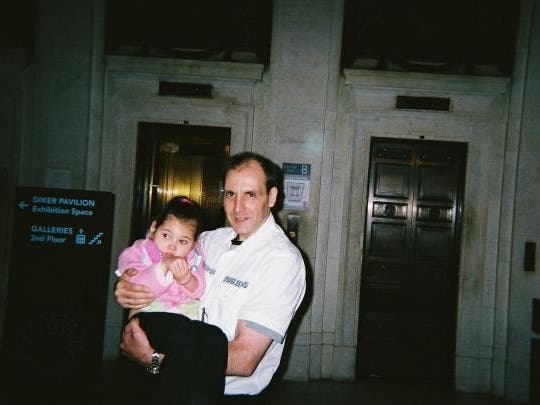
A TBI Survivor’s Fight for Justice, Dignity, and Reform
By Craig Sears
I always wondered why I never heard real survivors’ stories—until I tried posting my own. Every time I shared the facts, they just kept getting removed.
Editor’s Note from the Author:
What you’re about to read is only part of my truth. Every time I try to share my full, unfiltered story—naming names, describing exactly what happened—parts of it are censored or removed by the platforms that claim to give survivors a voice. If you notice gaps, softened language, or details left out, know this: it’s not because I don’t have more to say—it’s because the system that harmed me still controls who gets to hear the truth. Imagine what’s missing.
Find out what's happening in Bridgeportfor free with the latest updates from Patch.
I’ve stood alongside fellow survivors and advocates. Our stories are different, but our fight for justice and dignity is united.
My journey through brain injury, misdiagnosis, and injustice proves this truth again and again. I share my story to demand change, build community, and remind every survivor that their voice matters. If you care about disability rights or reform, my story is for you.
Find out what's happening in Bridgeportfor free with the latest updates from Patch.
This isn’t just about encouragement—it’s about survival, truth, and demanding change. I wrote this for people who have been abandoned, erased, or silenced by the very systems that were supposed to help them. It’s a warning about what can happen to anyone, a challenge for policymakers and professionals to listen and act, and a reminder to every survivor: your pain, your fight, and your voice matter. Most of all, I wrote this so nobody else has to feel as invisible or alone as I once did. If we speak up and protect one another, we can compel the world to see us—and demand the justice and dignity every survivor deserves.
The Hidden Crisis: Why Don’t More People See?
Stories like mine rarely make the news. Too often, brain injury survivors—and others harmed by institutional neglect—disappear into silence. The pain is private; the paperwork is buried, and stigma keeps families from speaking out. Systems look seamless on the outside, hiding the brokenness within. Survivors are isolated, erased, or labeled as “problems,” their stories vanishing while the public remains unaware. The media and public often focus on “miracles” or “inspirational comeback” stories, making it even harder for the realities of ongoing struggle and institutional failure to be seen. Only by breaking the silence can we make the invisible visible and demand actual change.
The Cycle of Confinement: Progress or Just a Change of Address?
When institutions closed, we were told it was a new era of “progressive, community-based care,” but for many, it was just a change of address, not a change in freedom. I experienced firsthand what happens when people with brain injuries are placed in settings not designed to help us—no proper treatment, no rehabilitation, no way out. I joined a class-action lawsuit that led to the creation of the Acquired Brain Injury (ABI) Waiver. On paper, it was progress. Too much control remained with the state. Closing hospitals didn’t set us free—it just changed where people were kept.
Connecticut didn’t end the practice of warehousing people with disabilities; it just moved it—from hospitals to other institutions, including correctional settings. I’ve witnessed and experienced the cycle of being transferred from one system to another, often losing rights and dignity along the way. The state keeps the power—and we pay the price.
How the System Traps Anyone
At 20, I was living the American Dream—until a motorcycle accident caused a traumatic brain injury. Suddenly, I was no longer seen as a person but as a problem for the system to manage. Many who promised to stand by me disappeared. The isolation was overwhelming. Some days, the silence nearly finished me.
If it weren’t for my mother and family, I don’t know where I’d be. Their support was my salvation. I’ve also met survivors whose families walked away, leaving them alone in the system. Survivor networks, not institutions, keep people alive. If you’re a family member or friend, your support can mean everything.
What a Brain Injury Can Do
TBI is called the “silent epidemic” by the CDC. It doesn’t just change your body; it changes your world. Survivors are often misdiagnosed, mislabeled, and abandoned by the systems meant to help them. Instead of rehabilitation, I spent months in the wrong type of facility—misunderstood and dismissed. I kept trying to prove I was still here, still me. Too often, no one listened.
From Hospital to Prison: Warehousing Disguised as Care
Closing institutions was supposed to mean freedom, but many survivors ended up in alternative forms of confinement. Whether it’s a hospital, a group home, or a correctional facility, too many people with brain injuries lose their independence and dignity. The cycle repeats. The state keeps the power—and we pay the price.
Misdiagnosis, Abuse, and the Legal Trap
After my accident, my TBI went undiagnosed for months. Instead of real rehabilitation, I was often misunderstood and placed in settings that couldn’t actually help me. After release, I struggled to regain basic skills, and I was repeatedly institutionalized or arrested for behaviors caused by my injury. The system too often pushes people like me into “programs” instead of providing the care we actually need. It’s a Catch-22: brain injury is not mental illness, but there’s little support for either. The system keeps you down.
Fighting Back and the Flaws That Remain
With my family’s support, I rebuilt my life and found purpose in advocacy. I joined efforts to create community-based programs for people with brain injuries. But these programs are deeply flawed—services were cut, oversight is lacking, and survivors can lose support simply for speaking out. Discrimination, ineffective complaint processes, and exclusion from decision-making are all too common.
We deserve better.
What Needs to Change
Real justice means no one is forced into an institution for having a brain injury. We need:
- Independent oversight and accountability
- Effective, accessible grievance procedures
- Enforcement of disability rights laws
- Protection against retaliation
- Comprehensive training and public awareness
- Survivor involvement in all decisions and reforms
Community-based services must be truly empowering and respectful—not just a new form of control.
Ongoing Battles with the System
My fight didn’t end with new programs. I was falsely accused and faced with fabricated evidence and legal loopholes that let the system dodge responsibility. Too often, accountability is avoided, and survivors are left to fight alone. This isn’t about a few bad actors; it’s about how the system shields itself. Anyone can become a target. That’s why I document, share, and speak out—not just for myself, but for everyone caught in this cycle.
Ongoing Battles with Law Enforcement
Have you ever seen the TV shows I Almost Got Away with It or America’s Most Wanted? They’re all about fugitives who broke the law. But what happens when the law itself breaks the law? Does it just get ignored?
That’s the reality I faced. After my traumatic brain injury, I was thrust into a system that didn’t see me as a person but as a problem to be managed. My symptoms were mistaken for intoxication, my TBI was misdiagnosed as mental illness, and I was repeatedly institutionalized and falsely arrested—not because I committed a crime, but because people refused to see me as a victim or believe my truth. These weren’t harmless mistakes. They led two years of punishment, loss of freedom, and a relentless cycle of injustice that nearly broke me.
When the very institutions meant to protect us instead perpetuate harm, survivors like me are forced to fight a battle on two fronts: recovering from injury and defending ourselves against a system designed to keep us down. I’ve stood in courtrooms demanding the truth be heard—insisting that witnesses appear in person, refusing to plead guilty to crimes I didn’t commit, and providing undeniable evidence of my innocence. Still, I was met with fabricated stories, altered evidence, and a system that closed ranks to protect itself rather than pursue real justice.
It’s exhausting and isolating, especially for people with invisible disabilities. The endless pressure to accept plea deals, the inability to confront nonexistent victims and witnesses, and the knowledge that the system is more interested in job security than the truth can leave anyone feeling hopeless. But I refused to disappear. I made a promise to myself: I will not let ignorance or dishonesty define my life or silence my story.
My experience fighting false accusations, concealed police misconduct, and institutional bias has shown me how easy it is for anyone to be trapped, erased, or ignored. But my story is not just about survival—it’s about demanding reform. Through advocacy and the class action that led to Connecticut’s ABI waiver, I’ve worked to make a difference for all survivors. I share my journey to expose systemic failures, push for accountability, and remind every survivor: you are not alone, and your voice matters.
If we want real justice, we ensure survivors are seen, heard, and protected—not just processed and forgotten. I will keep fighting for reform until the system finally serves everyone it protected.
This isn’t just my fight
No two brain injuries are the same, but we all need understanding, support, and justice. The failures of the system aren’t history—they’re happening right now. Survivors must be heard and respected in every program and reform. When we change the system for TBI survivors, we open the door for better treatment, dignity, and rights for everyone.
The Blind Spot in Brain Health: Funding Disparities
Mental health support often gets attention (and rightly so), but brain injury is sidelined in both public awareness and research funding. TBI is called the “silent epidemic” not just because of its effects, but because it’s so often overlooked. We need greater investment, research, and actual solutions for all survivors.
Systems Protect Themselves. Survivors must protect survivors.
To Survivors, Families, Allies, Policymakers, Professionals, and the Media
Never give up hope. Raise your voice, demand accountability, and fight for a system that truly respects people with brain injuries. Share your experience. Don’t look away. We need survivor participation in every reform, and we need everyone—legislators, professionals, and the media—to put a spotlight on these issues. Change is urgent. Listen to survivors. Demand action. We can’t afford to wait. The system will never protect us—but together, we can make progress, demand justice, and build the future we all deserve—Craig Sears
TBI Survivor & Advocate