Neighbor News
When Justice Turns Against You: My Fight with Invisible Disability and Systemic Corruption.
Misdiagnosed and denied justice after my brain injury, I now fight for truth, dignity, and reform for all with invisible disabilities.

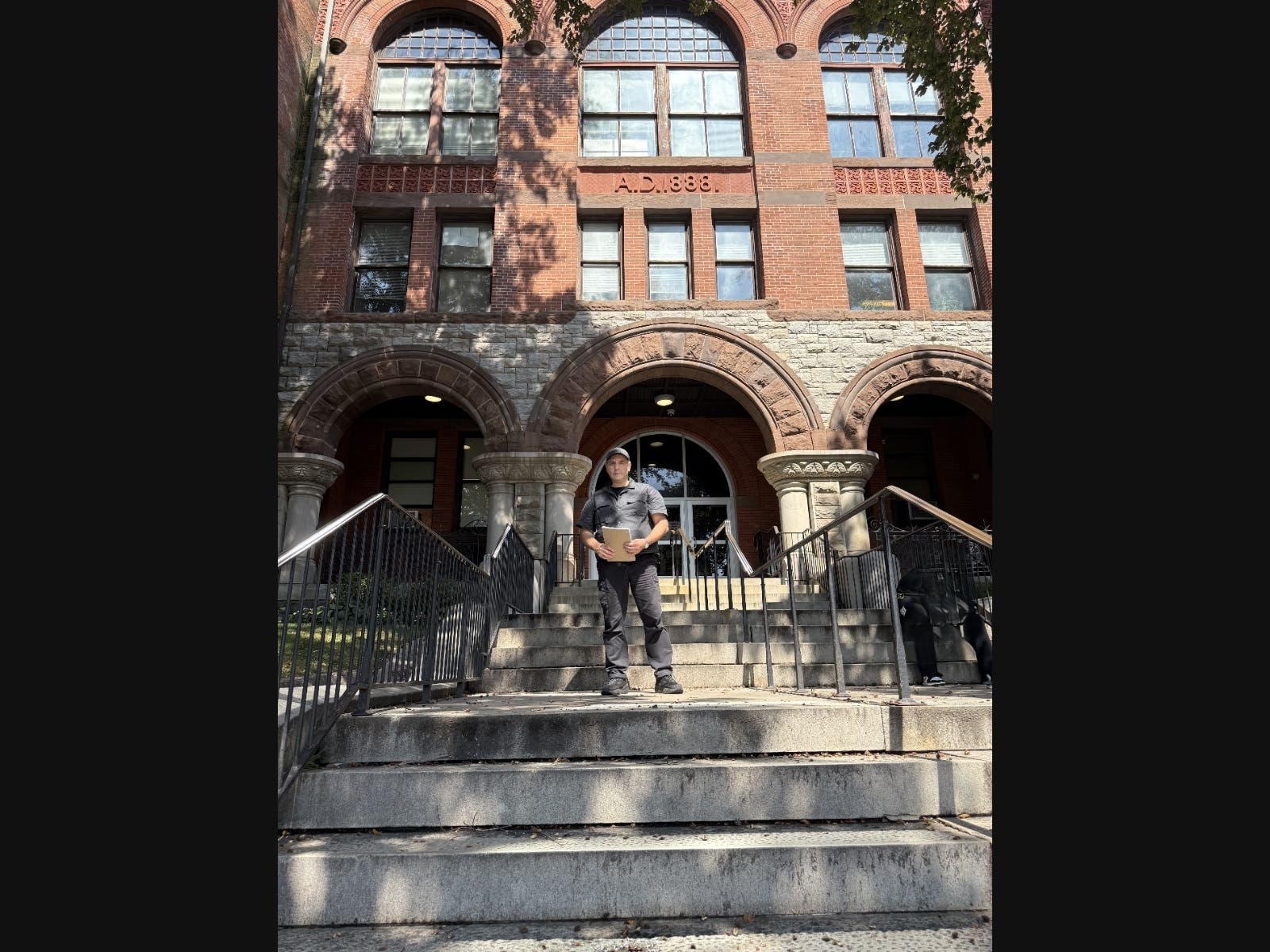
What happens when the systems meant to protect you become your greatest threat? After surviving a traumatic brain injury, I was misdiagnosed, framed, and denied justice—simply because my disability was invisible. This is my story of fighting police corruption, courtroom bias, and a web of institutional indifference. If you care about truth, dignity, and real change, read on. My journey could be yours—or someone you love.
I never imagined my life would become a fight against the very institutions designed to protect and serve. After surviving a traumatic brain injury, I found myself repeatedly mistaken for someone I wasn’t—misdiagnosed, misunderstood, and far too often, treated as a criminal instead of a survivor. The police and courts looked at my symptoms and saw intoxication, never stopping to ask about the brain injury that shaped my every day.
The worst injustice came when Detective Jeffrey A. Holtz of the Bridgeport Police Department decided to make me his target. He used fabricated evidence, doctored photographs, and manipulated audio recordings to build a false case against me. Even as I brought forward solid alibis, medical records, and forensic proof of my innocence, the system refused to listen. The court not only ignored the facts but actively denied me accommodations, using my disability against me as a weapon.
Find out what's happening in Bridgeportfor free with the latest updates from Patch.
This experience left me reeling, but I soon realized it wasn’t just about me. The web of corruption and indifference ran deep—motions and appeals were ignored, citizen complaints were brushed aside, and oversight agencies showed no interest in real accountability. Judge McShane and others in the system turned a blind eye to evidence of misconduct. All the while, my name and reputation suffered, and my life was put on hold.
But I refused to give up. I documented every injustice, filed every possible complaint, and kept pushing for the truth to come out. I realized that my story was only one in a sea of similar stories—people with invisible disabilities who are routinely dismissed, institutionalized, or criminalized because the system can’t or won’t understand.
Find out what's happening in Bridgeportfor free with the latest updates from Patch.
That’s why I became an advocate, not just for myself, but for everyone facing these barriers. I’ve fought for reforms like mandatory TBI training for police, fairer legal processes for people with disabilities, and stronger peer support networks. Through my work with advocacy groups and my testimony at the state capitol, I’ve tried to make sure others don’t have to go through what I did.
Yet, the struggle is ongoing. Systemic resistance, loopholes, and the risk of retaliation make every step forward a challenge. Still, I’m determined: I won’t let their dishonesty or failures define me—or let them ruin the lives of others. I’m here to expose the truth, demand accountability, and ensure that invisible disabilities are finally seen and respected in every system.
If you’re reading this and you’ve faced similar struggles, know that you’re not alone. If you believe in justice, I urge you to get involved—share your story, join advocacy campaigns, contact your legislators, and help build the coalition we need to demand real change.
Silence only enables injustice. Together, we can break the cycle and create a system that works for all of us.
Join me and be part of the movement that stands up for truth, dignity, and real justice.
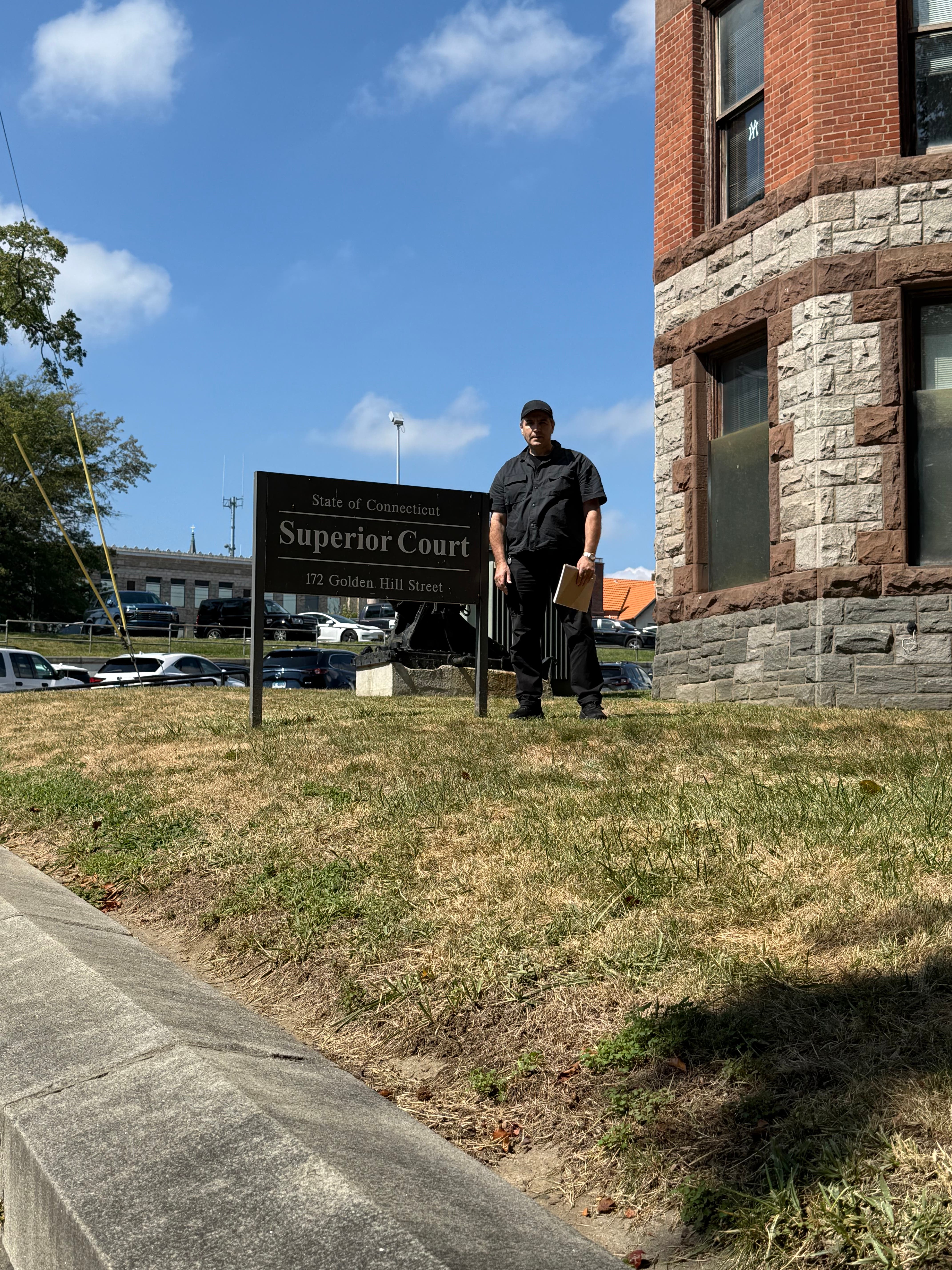
Standing beside the courthouse sign where justice was denied, Craig Sears highlights the fight against systemic injustice and wrongful accusations.