Politics & Government
Agency Emphasizes Economic Development
Members study issues, contend land-use process too often robs town of tax dollars.


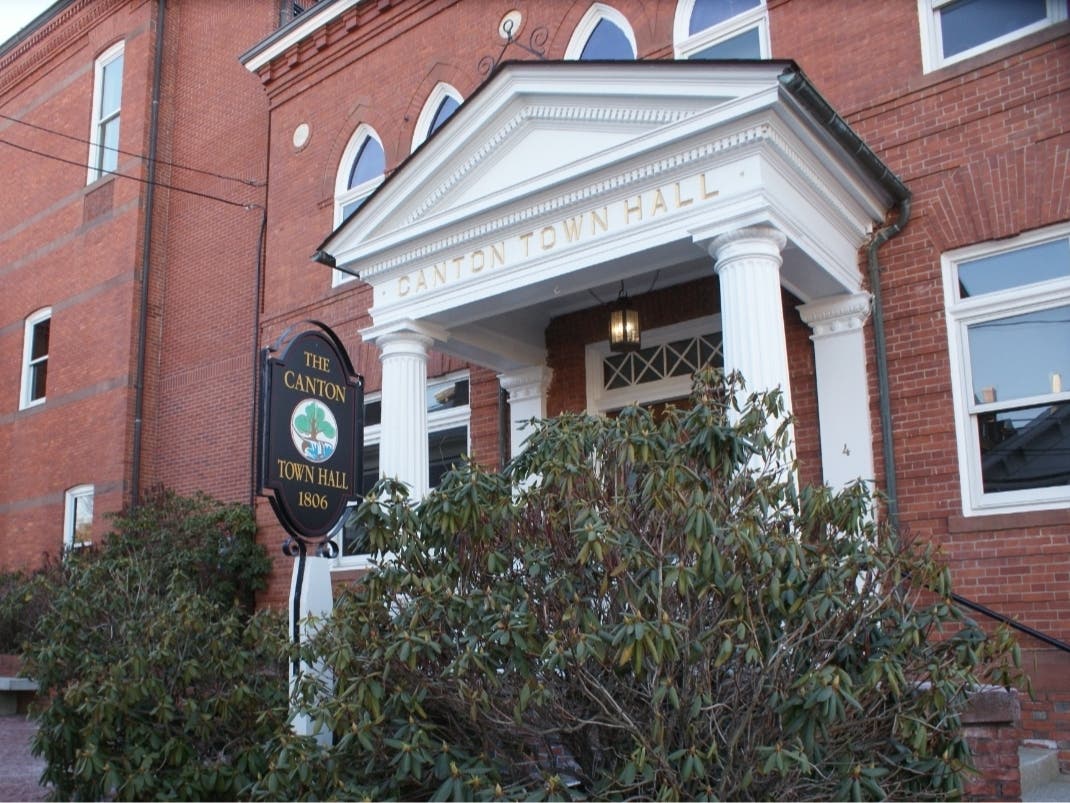
Members of the Canton Economic Development Agency hope 2011 will be the year the town moves forward with commercial growth.
“We think our town is in or on the brink of a major economic crisis,” agency member Barry Dickstein recently told the Board of Selectmen. And there are two ways of dealing with increasing costs to the town, he said.
One is to keep relying on residential taxes. The other is more commercial ventures, which the town has significantly lacked since the Shoppes were built in 2003, according to members.
Find out what's happening in Cantonfor free with the latest updates from Patch.
“The alternative is commercial real estate development,” Dickstein said.
“We do believe we need the extra revenue in town,” Economic Development Chairman Joseph Danajovits said at the meeting.
Find out what's happening in Cantonfor free with the latest updates from Patch.
The agency has undertaken several projects in the last year or so that it hopes will help drive economic growth. Those include a survey of town leadership, a commercial real estate template and cost of community service study.
While the agency wants to further refine the numbers, members said the survey shows, for example, that the town pays $1.10 in services for each $1 it receives for residential property. Commercial and industrial property, however, costs the town closer to 32 cents in services for each $1 received, according to the report.
The agency also contends that commercial development does not mean the town will lose its character.
“It is our very strong opinion that commercial development can be done in an environmentally responsible and aesthetically responsible manner and that the resultant commercial real estate tax revenues can be used to pay for and preserve critical services that make Canton the town we love,” members wrote in the town’s February edition of Canton Connections.
And members also contend that the town’s land-use boards too often act like development is an impediment to the town. “They seem to believe that our small town way of life and commercial development are diametrically opposed,” agency members wrote in an open letter to the town.
And agency members say the boards too often have rejected projects, held them up and made the process frustrating for the developers who can bring much-needed tax dollars to town.
Developers get too caught up in commissions where members want too many details about aspects not in their purview, Dickstein said
“We are the Bermuda Triangle for developers,” Dickstein said. “When developers go into our land-use process they don’t come out.”
As an example for which he alleges commission members consider matters outside of their purview, he cited a recent Planning Commission meeting about Konover Development Corporation’s proposal for a pharmacy and related development on the corner of Route 44 and Lawton Road.
In February, the Planning Commission considered a referral to the Zoning Commission for the company’s zoning regulation and master plan amendment application public hearing in March. Dickstein said he couldn’t believe the commission tabled the matter when members had an eight-page memo from Neil Pade, the town’s director of Planning and Community Development, showing ways the proposal could be considered consistent with the town’s Plan of Conservation and Development.
During the meeting some Planning Commission members said they wanted to see the results of the town’s traffic study on the matter and take more time with the matter. Konover is now seeking a public entrance on Lawton Road, which has upset some area residents.
Dickstein asserts that traffic is beyond the scope of the commission. Technically the Planning Commission’s decision will not delay the process sine the Zoning Commission will hold its hearing March 16 regardless but Dickstein said the example still stands as one where commissions impede development. A negative referral could also require the zoning commission to have a super-majority to approve the application.
This week Planning Chairwoman Rosemary Aldridge told Patch she agreed it was disappointing that the commission continued the matter. She also feels the Planning Commission should not look too much at the traffic issue, which will be studied by the Zoning Commission.
She said she was torn, however, when the issue came up since the developer had a consultant speak about traffic, thereby putting it on the table. Aldridge said it will be interesting to hear if the town’s consulting engineer feels the project and the company’s road improvements will worsen or help current traffic-flow issues.
“We should also be allowed to hear from the town’s engineer,” she said.
At the meeting, she also acknowledged that traffic could be considered a quality of life issue, which is also part of the Plan of Conservation and Development.
Aldridge said while she can’t speak for all members and commissions, she is certainly not anti-development.
“We do need commercial development if we’re going to improve our tax base,” she said.
Aldridge, however, said commissions such as Planning do have to consider many factors while making a decision.
“There are other things that need to be considered other than the tax base,” she said.
But while they used the Planning Commission meeting as an example, Economic Development Agency members said there are often members of the town commissions and agencies that stall development. Dickstein said it often becomes like the Muppet Show.
“Two old guys in the balcony can hold up a project,” he said.
While no names were mentioned, Economic Development Agency members went went as far to ask selectmen to talk to commissioners, make sure members understood their roles and consider not reappointing some members.
Selectmen, however, were wary of much direct comment on specific development proposals and even the process in general.
“I think that’s an extremely slippery slope,” First Selectmen Richard Barlow said.
Dickstein later suggested a “kitchen type” meeting and Barlow and others said a general meeting to go over the role of commissions and the general process could potentially be done.
Economic Development Agency members said selectmen have leadership roles and can choose not to reappoint members they feel are not doing a good job.
Barlow said even if the board did find someone it didn’t want to reappoint, simply finding enough members for a commission can be a problem. “People aren’t knocking at the door to join,” he said.
Chief Administrative Officer Robert Skinner agreed selectmen should tread carefully. He also said commissioners do have a lot of legal flexibility in making decisions.
Some selectmen also asserted that part of the problem is that the Plan of Conservation and Development is a vague document so arguments for and against nearly any projects can be made to fit. “The POCD is very vague and ambiguous,” said Selectmen Steve Roberto, who added that a committee is in the process of revising the document.
Barlow did commend the EDA for its initiative and research on commercial properties and cost analysis. And economic development agency members feel that “sunlighting” the town’s development process will be supported by a majority of residents.
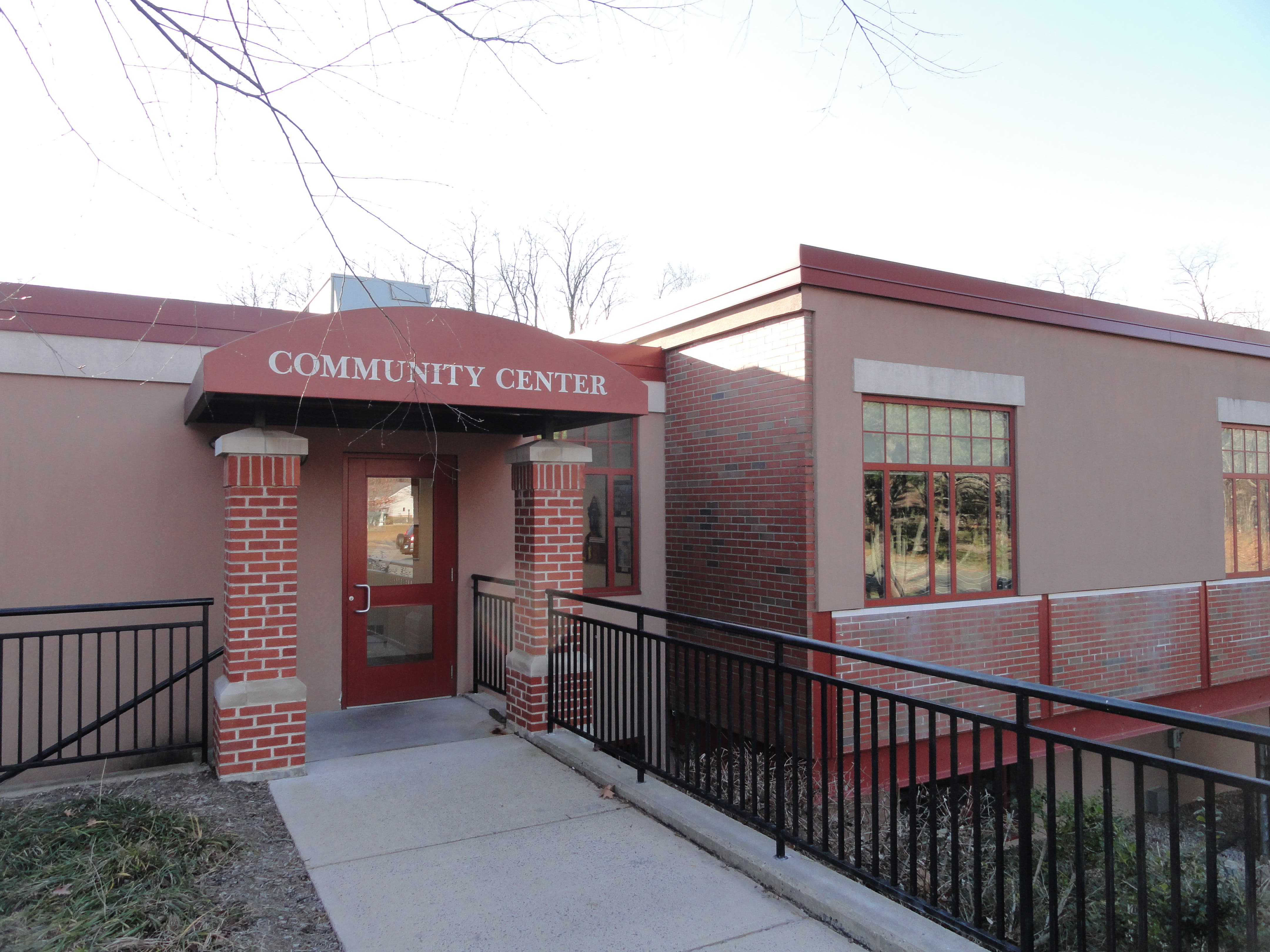
The agency urges the public to attend meetings, consider volunteering for a town board, commission or agency and give input at its meetings the second Tuesday of each month at 6 p.m. in the community center. Those who want more details about the agency and its findings can log on to http://www.townofcantonct.org/content/120/132/default.aspx
Get more local news delivered straight to your inbox. Sign up for free Patch newsletters and alerts.