Business & Tech
Canton Journal: Artist & Teacher John Squier (a.k.a. Jon Art)
On Tattoos, Spuds & Zingers


John Squier is a well known, triple threat in town. His humorous, ironic, or distressed portraits of potatoes remain a quintessential Collinsville gift. Jon Art Tattoo has been a mainstay on the ever changing Albany Turnpike, since 2008. And, Squier has been teaching students how to draw, for 17 years.
About Town sat down with Squier in his studio, surrounded by drawings of opinionated spuds; colorful tattoo flashes, (drawings); and, it turns out, lots of memories of the intimate space he and his customers have shared over the years.
AT: What kind of teacher are you?
Find out what's happening in Cantonfor free with the latest updates from Patch.
JS: I know what kind of teacher I don’t want to be. The kind who’s more discouraging than encouraging. We all start out able to draw. Ask any 5 year old if they can draw and they’ll say yes. But over time, they lose that purity. I would never discourage any student from pursuing their desire to draw. It’s not my call to make.
AT: And then, there are the students who you call ‘zingers.’
Find out what's happening in Cantonfor free with the latest updates from Patch.
JS: Zingers are those naturally gifted cartoon artists. You may have 400 talented students, but only one of them will be a zinger. My youngest zinger was an 8-year-old girl.
AT: Let’s talk potatoes. It’s been 10 years since you had the potato sell-off at your former studio in Collinsville. Do you remember your first potato portrait?
JS: My very first one was an 8-ball potato. It was a reflection of how I was feeling at the time. The first one I actually sold was called, "Lady Love.” It was a romantic potato.
AT: Did the potato represent a person or an idea?
JS: Every potato was a composite, self-portrait. The potato series was actually a form of visual meditations. When you draw the way you feel, it can help you think things through and ultimately be very healing.
AT: Speaking of healing, a lot of the imagery in these tattoo flashes seems to have a spiritual or commemorative value to them.
JS: One function of a tattoo is to commemorate a time and place in one’s life. Sometimes it’s happy, but often it can be about remembering a sad time.
AT: So, who was your first brave customer?
JS: Me. Most tattoo artists try it out on themselves first. Then, you start in on your close friends. My first tattoo for a friend was that of a turtle; the type of turtle that was in the tortoise and the hare fable. It was meant as a celebration of the turtle’s approach to life.
AT: Any memorable stories about clients?
JS: There are lots of them. I remember this very attractive, young woman who wanted certain words – love, patience kindness, respect, I think - tattooed on four of her fingers. Fingers can be a fairly sensitive place to tattoo. She warned me that she was likely to curse, if it got painful. And she did. It was some of the filthiest, 15 minutes of language I had ever heard, between her bouts of laughter!
During About Town’s interview with Squier, 17-year old Liza Angerami came into the studio with her mother Lisa to inquire about a tattoo.
Squier began with a series of questions: What do you want? Liza, who is college-bound in a few weeks, showed Squier a drawing designed for her by a friend, Emile Dube. Where do you want to put it? Liza was thinking about the back of her neck or on her shoulder. How big do you want it to be? A little larger than the drawing, Liza thought. Mother and daughter left, indicating they would likely return another day in the near future.
AT: So, are young people your typical customer?
JS: I get all types of people. My customers have included everyone from: an Episcopal priest, to a 70 year old woman who wanted to shock her children with a tattoo of a Grateful Dead dancing bear on her upper hip.
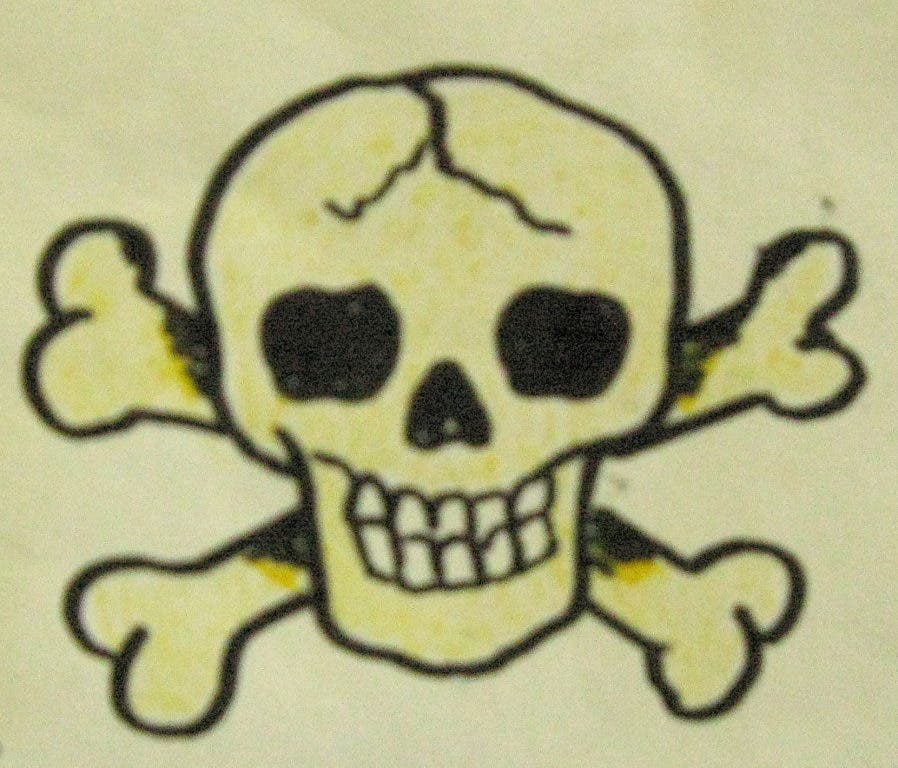
I’ve also had many people wanting to commemorate an event in their lives. I once had two members of a family, separated for years, reunite then get tattoos. Another woman in her 70s, asked for a skull and cross bones after she lost her husband of many years. It was a way for her to confront death.
AT: It’s a very personal art form, isn’t it?
JS: Yes. One of the most meaningful parts of this job is that I get to meet people and hear their stories. This canvas talks. I’m not just a lone artist at a drawing table. There’s an intimacy about it; being hands-on for a few hours with people who are sharing a significant part of their lives. I take that very seriously.
Here’s the Deal
Jon Art, 223 Albany Turnpike (RTE 44), Canton; 860-983-6242: www.jonarttattoo.com