Politics & Government
Pond Association Seeks Permission to Apply Herbicide
Owners say microscopic algae blooms pose a problem.
The Baer Pond Association has filed an application asking for permission to use a peroxide-based herbicide to combat a surge in microscopic algae growth. In a discussion at the recent Inland Wetlands and Watercourse Agency meeting, agency members raised concerns about the herbicide’s application.
Rob Wheaton, a field biologist with Lycott Environmental Inc., of Southbridge, Mass. spoke on behalf of the homeowners, saying his company has been managing the pond for several years and dealing with problems from microscopic algae blooms to invasive species.
Agency Chairman Dave Shepard asked if the chemicals could wash downstream after application and contaminate the water or harm the wildlife. Wheaton explained how the water could be kept stagnant in the pond until all of the chemicals had done their job.
Find out what's happening in Cantonfor free with the latest updates from Patch.
"The lack of flow is one of the factors that have led to the current situation," said Wheaton. "The inflow is weak, so the water is largely stagnant, allowing it to heat up, which facilitates faster algae growth."
In addition, what little inflow there is, runs over decomposing wood and leaves, which increases the phosphorous levels in the water. The increased phosphorus aids in microscopic algae blooms as well, leading to what Wheaton described as problematic levels of vegetation.
Find out what's happening in Cantonfor free with the latest updates from Patch.
"The chemical Lycott plans to use was recently approved by the state Department of Energy and Environmental Protection. It oxidizes the cell wall of the algae, with the only two byproducts being water and oxygen," said Wheaton. This is a new and better way to treat algae growth, he said. In the past, copper sulfate had been used to address algae problems, but having more than 1 part per million of copper in the water will harm fish.
Shepard suggested that finding a way to increase the inflow and outflow of the pond might be a more natural and long-term solution to the problem, as this is not the first time herbicides have been needed. Wheaton dismissed that as a non-viable solution, and the idea was not discussed further.
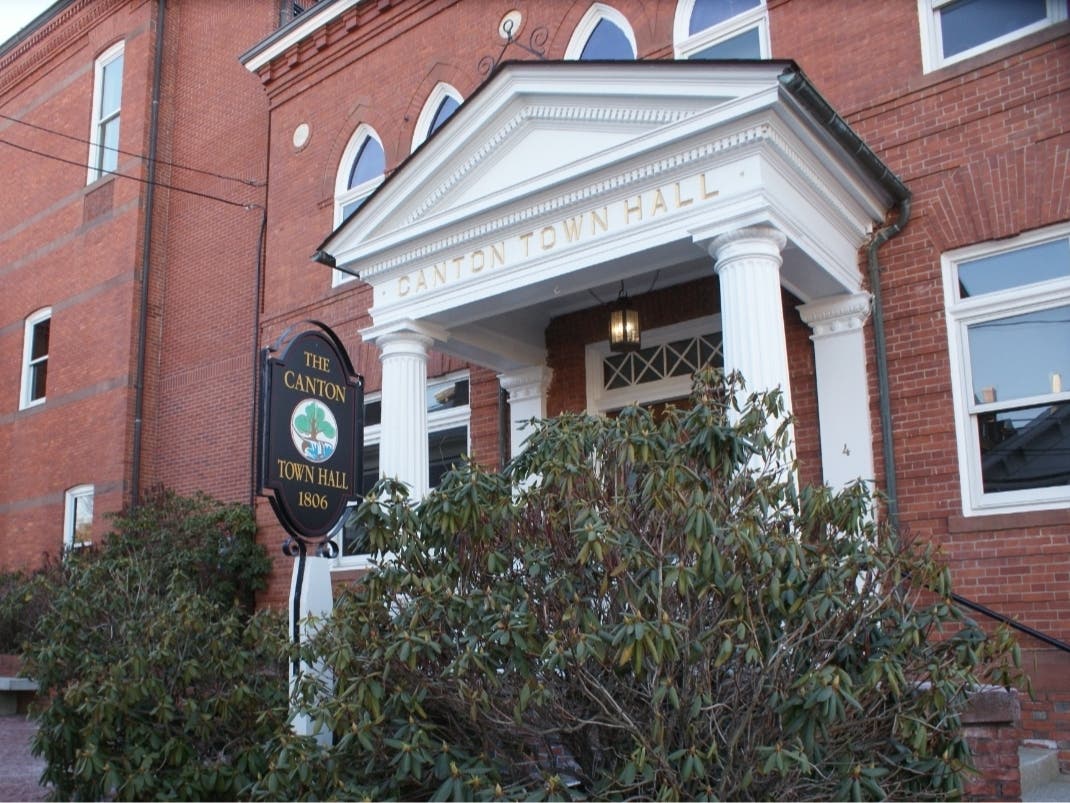
The Agency tabled the discussion. Members will continue the discussion further at a special meeting of the Inland Wetlands and Watercourse Agency on July 28 at 9:30 a.m. at the Canton Town Hall, second floor conference room.