Health & Fitness
An Experience Too Far
Ever attempted to achieve an impossible goal and failed? At least you're not these characters.

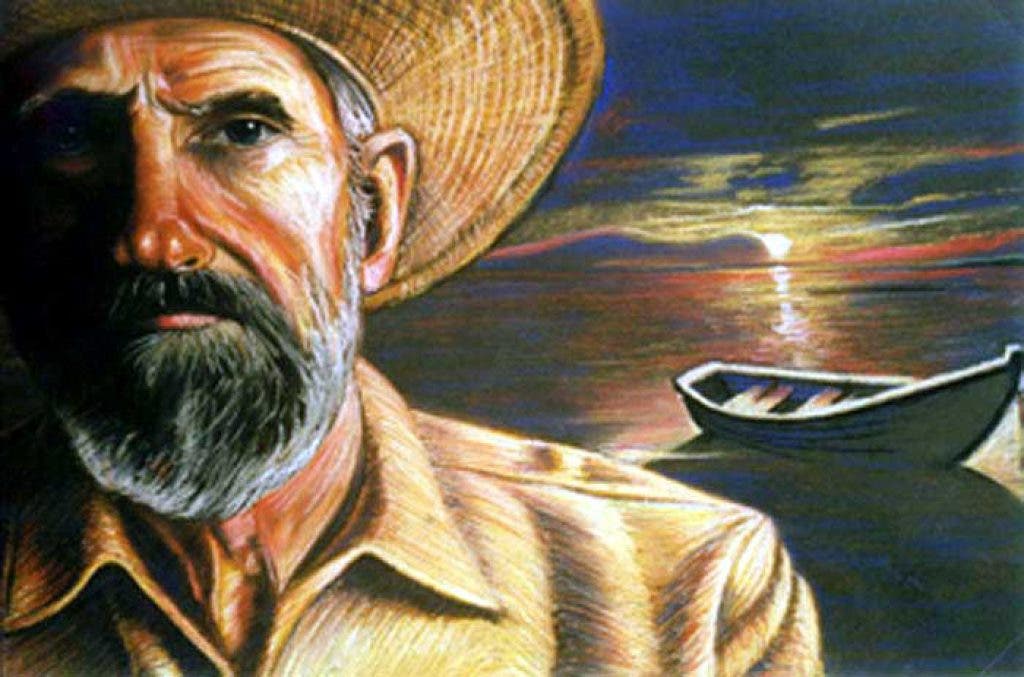
I find that I have two famous works of literature on my mind. One is Hemingway's classic, The Old Man and the Sea.
For those unfamiliar with the story (or those too long out of high school to remember), The Old Man and the Sea deals with an aged Cuban fisherman who, poverty stricken and suffering from skin cancer, takes his boat far, far out into the Gulf Stream. Hoping to land a fish large enough to change his sad situation, he risks everything: reputation, boat and body.
Find out what's happening in Cheshirefor free with the latest updates from Patch.
The story takes a positive turn when the fisherman battles with the largest marlin he's ever seen. Things quickly become tragic, however, when, after fastening the enormous animal to his boat, the fish is devoured by a swarm of sharks. The fisherman is subsequently left with nothing.
Still, he makes out better than the unnamed “hero” of Jack London’s To Build a Fire. On a day in the Alaskan Klondike in which there's no sunlight and the temperature drops seventy-five degrees below zero, this unfortunate individual takes it upon himself to trudge across ten miles of snow to a base camp.
Find out what's happening in Cheshirefor free with the latest updates from Patch.
Of course he's warned not to make such a treacherous journey in advance by an experienced frontiersman, but he doesn't bother listening. Filled with hubris, he begins his trek, only to literally lose life and limbs in the process. So horrendous is this man's decline that he loses the ability to save himself by building and maintaining a fire in the frigid temperature.
What these stories have in common, of course, is the fact they deal with individuals who attempt to accomplish something they're incapable of. What separates them is their author's outlook. Hemingway sees the old fisherman as a noble character, a strong willed individual who retains his dignity even in the face of terrible defeat.
London, on the other hand, gives us nothing but the cold (no pun intended), brutal facts. Extend yourself too far, he seems to be telling us, and bad things will happen. End of discussion.
Many of us have experiences where we attempt to go beyond what we're capable of. If we're fortunate enough we take away a valuable lesson about the awareness of limitations and carry it with us wherever we go.
What's important afterward is how we view the experience. Do we take London's view and see it as folly? Or do we take Hemingway's view and find satisfaction in making the effort? Both views are valid – but perhaps Hemingway’s is better.
Or is it?