Health & Fitness
Not Just For Highbrows
Reading literature shouldn't be a socially exclusive activity.

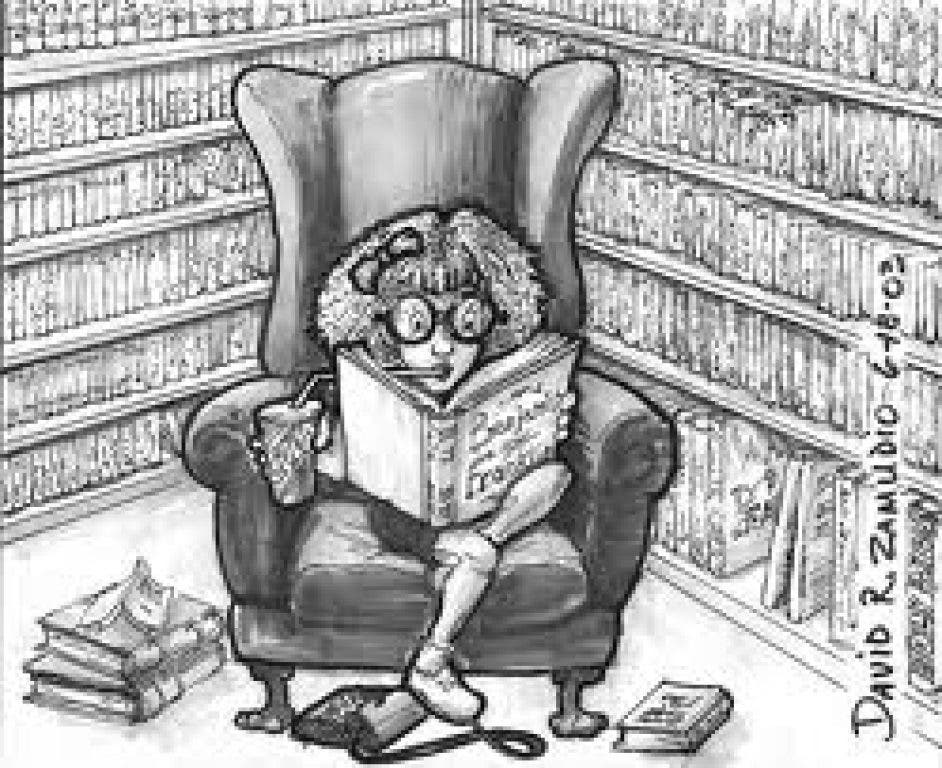
Contrary to popular belief, reading has not fallen out of fashion. Just ask J.K. Rowling. Or the people behind the Kindle. Or any teenager who's read the Twilight series.
Now that we're well into the 21st century, the doomsayers can rest assured. The public has not given up on novels, poems and stories.
Find out what's happening in Cheshirefor free with the latest updates from Patch.
What the public has seemed to have given up on, though, is literature. If literature can, in fact, be described as writing as art, then society as a whole has shown literature the door.
Blame it on the 20th century. That's when figures like the poet Ezra Pound declared that mankind lived in the few. As a result of such elitism we now have literary experts having hissy fits because someone dares make the names in Anna Karenina more uniform.
Find out what's happening in Cheshirefor free with the latest updates from Patch.
Not only is such cartoonish snobbery off-putting, it clouds the fact that high end, challenging writing is valuable and well worth reading. It's simply not the only show in town.
There's no denying, for instance, that the very obscure T.S. Eliot was a great poet. Yet so was his more accessible contemporary, Langston Hughes. You'll find both of them in college anthologies and that's how it should be.
Hemingway once claimed he wanted his work to resonate as both art and entertainment. Fitzgerald held the same ambition. When a contemporary author like Donna Tartt shoots for the same goals, however, critics imply the entertaining aspect of her work is a detriment.
Really? When did literarture become healthy food that tastes bad? To say a contemporary poem, story or novel can't be literature because it's entertaining or easy to read is ridiculous. It also severely marginalizes an important art form that deserves to continue surviving the test of time.
Modern readers do not constitute a caste system. Shame on the writers, publishers, critics and academics who wish to implement one.