Health & Fitness
Today's Fluff, Tomorrow's High Art?
The truth is today's fluff may be tomorrow's high art.

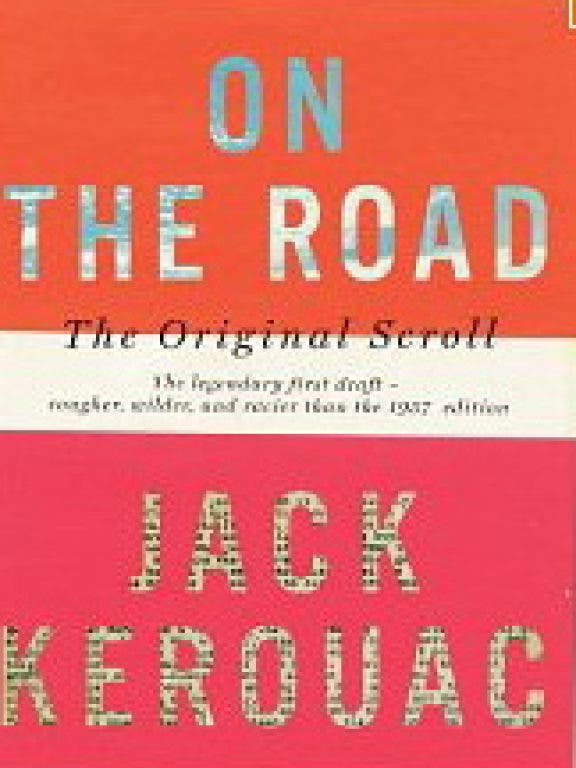
Be careful what you roll your eyes at. The truth is today's fluff may be tomorrow's high art. Don't believe me? Take a brief look at some author's who in 2012 are considered masters.
F. Scott Fitzgerald? Let's just say The Great Gatsby was no great success when it was first published. In fact, by the 1930s, the author's entire body of work was written off as fluff by some critics. Apparently, F. Scott was guilty of “ignoring” the socially important issues of the day.
John Keats? Well, the renowned poet of Ode To A Grecian Urn was advised by one critic to stick with medicine (which he had studied). Jack Kerouac? Truman Capote accused him of merely typing – rather than actually writing.
Find out what's happening in Cheshirefor free with the latest updates from Patch.
Oh, and Shakespeare? What little information we have from his lifetime suggests he was viewed as being, well...just okay (hey, a guy's got to earn a living, right?). In short, many literary giants weren't all that respected in their own lifetimes.
What's all this mean for us? Nothing, maybe. Or maybe it means we shouldn't be so quick to roll our eyes at Stephen King, Nora Roberts, Nicholas Sparks, John Grisham or J.K. Rowling. After all, today's less respected writers sometimes end up being tomorrow's required reading.
Find out what's happening in Cheshirefor free with the latest updates from Patch.
Just like that Shakespeare guy.