Home & Garden
West Nile Virus Found in Cheshire Mosquitoes
The mosquitoes were recently trapped for testing.


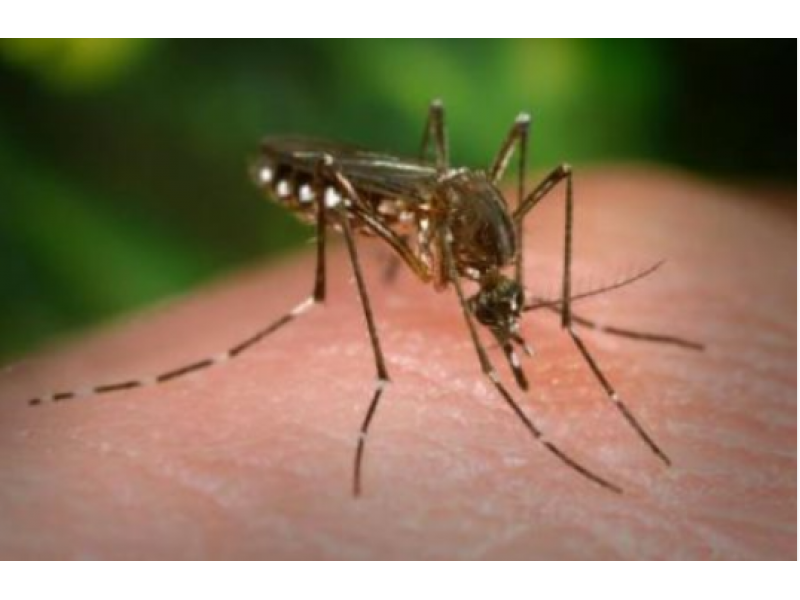
Mosquitoes that were trapped at Lock 12 Historical Park in Cheshire have tested positive for carrying the West Nile Virus.
The mosquitoes, which were trapped at the park on N. Brooksvale Rd. (Route 42) on Aug. 25, that tested positive were the Culex pipiens, according to the Connecticut Agricultural Experiment Station.
The CAES tests more than 90 trapping stations throughout Connecticut on a weekly basis.
Find out what's happening in Cheshirefor free with the latest updates from Patch.
The Chesprocott Health District, which covers Cheshire, Wolcott and Prospect, said in a press release that the mosquitos that typically carry this virus start to become active this time of year and continue through September.
The health district offers the following tips to reduce your risk of being bitten by these mosquitos:
Find out what's happening in Cheshirefor free with the latest updates from Patch.
Recommended ways to reduce being bitten by mosquitos
- Minimize time spent outside between dusk and dawn, when mosquitos are most active.
- Be sure door and window screens are tight fitting and in good repair.
- Wear shoes, socks, long pants, and a long-sleeved shirt when outdoors for long periods or when the mosquitos are most active. Clothing should be light colored and made of tightly woven materials that keep mosquitos away from the skin.
- Use mosquito netting when sleeping outdoors or in an unscreened structure and to protect small babies when outdoors.
- Consider the use of mosquito repellent, according to directions, when it is necessary to be outdoors.
Last year six human cases were reported in Connecticut. The CDC reports that while most people (70-80%) who become infected with West Nile virus do not develop any symptoms. About 1 in 5 people who do become infected will develop a fever accompanied with other symptoms such as headache, body aches, joint pains, vomiting, diarrhea, or rash. Most people who become infected will recover completely, but fatigue and weakness can last for weeks or months. Less than 1% of those who become infected will develop a serious neurologic illness such as encephalitis or meningitis which is the inflammation of the brain or surrounding tissues.
File photo
Get more local news delivered straight to your inbox. Sign up for free Patch newsletters and alerts.