Health & Fitness
Winter Storm Damage To Our Trees
Today I am talking about winter storm damage and preventative measures that can be taken.
Hello again, Ryan Tartisel here talking about trees.
I lost a dogwood tree in my yard this past snow storm we had here in the North-East and I wondered what, if anything I could have done about it. It was a relatively small tree and it posed no threat to any structure or people at its size and location. However I did think it would be appropriate to research and talk about how we can prevent ice and snow damage to trees and what to do if it occurs, because it can be a potentially very serious problem.
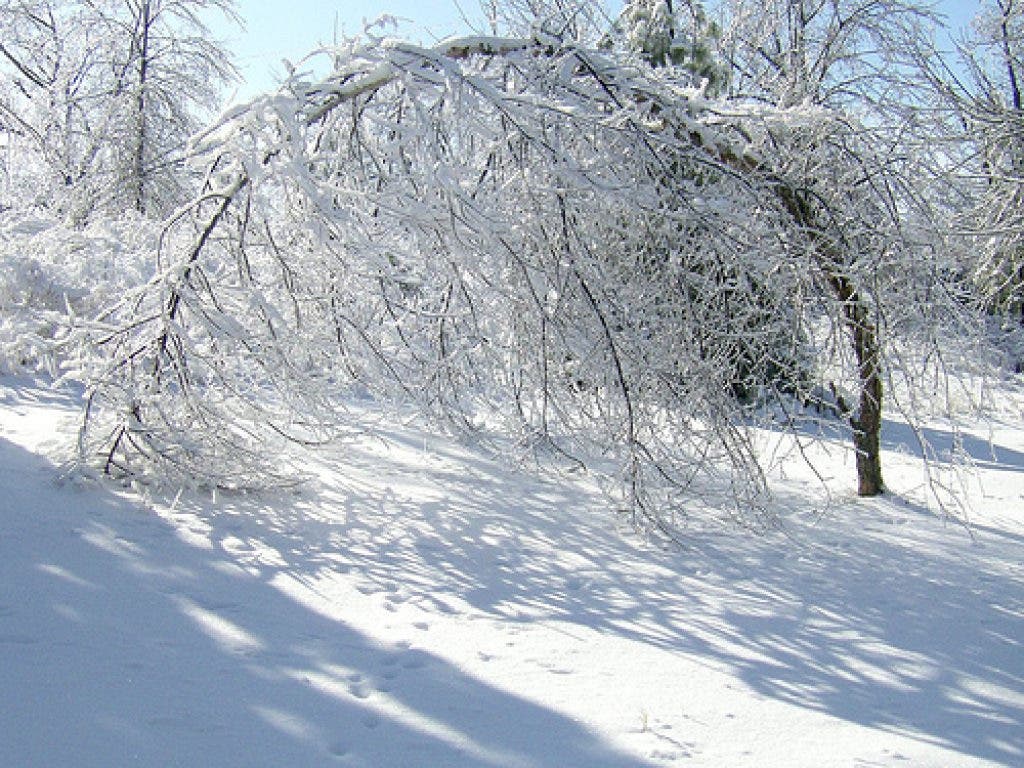
With winter storm “Nemo” (when did we start naming winter storms?) we got a lot of snow, frozen rain, and powerful winds. This all added up to some very inconvenient conditions for our roads, buildings and of course our trees. One thing I noticed is the canopies of trees of all sizes bending and seemingly breaking under the weight of the snow and ice.
Find out what's happening in Clintonfor free with the latest updates from Patch.
My natural instinct, size of the tree permitting, was to go and shake off as much snow as I can, and help the trees stand back up. With some research I discovered that in this situation you could do much more harm than good. The tree branches already have undue stress placed on them, shaking them free can damage them further in a number of ways.
One way is obvious, shaking the tree, or knocking snow free can break limbs and hurt the integrity of the tree, let alone cause injury to yourself. Standing a tree back up quickly after it has slowly come down can also be bad for the tree. If you think about it, what may be best for the tree, especially with what could be going on with it internally, is let the tree to be allowed to slowly return to it's shape at its own natural pace.
Find out what's happening in Clintonfor free with the latest updates from Patch.
A great preventative measure that can be taken is to make sure that the tree has been pruned properly. Often a properly pruned tree will remove possible structural flaws and weaknesses that may cause tree damage. Justifiable pruning can be done at most times of the year, however in many circumstances winter is most convenient.
If your tree has suffered winter storm damage it is important to have it closely examined. An arborist can diagnose the full extent of injury and prescribe proper treatment. If the damage is not too severe and it is worth it to save the tree, proper steps should be taken to do so.
Very often much of this kind of tree damage is caused not by snow but, by poor pruning, planting an improper tree for the place, such as planting a Southern Magnolia in this type of climate. It is important here in the North-East to, as qualified arborists may say, “have the right tree for the right place.” There are many trees that grow well here but in some cases maybe should't because of their susceptibility to winter storm damage. If you find yourself in the position to want to replace your tree, think very carefully about what you replace it with. There are many trees designed over thousands of years to withstand winter conditions, talking to an expert and doing research will make all the difference.