Neighbor News
Owls In The Wild Asking For A Little R-E-S-P-E-C-T
Social Media Inspires Greater Appreciation of Birds, but with this Exposure Comes Responsibility to Your Subjects
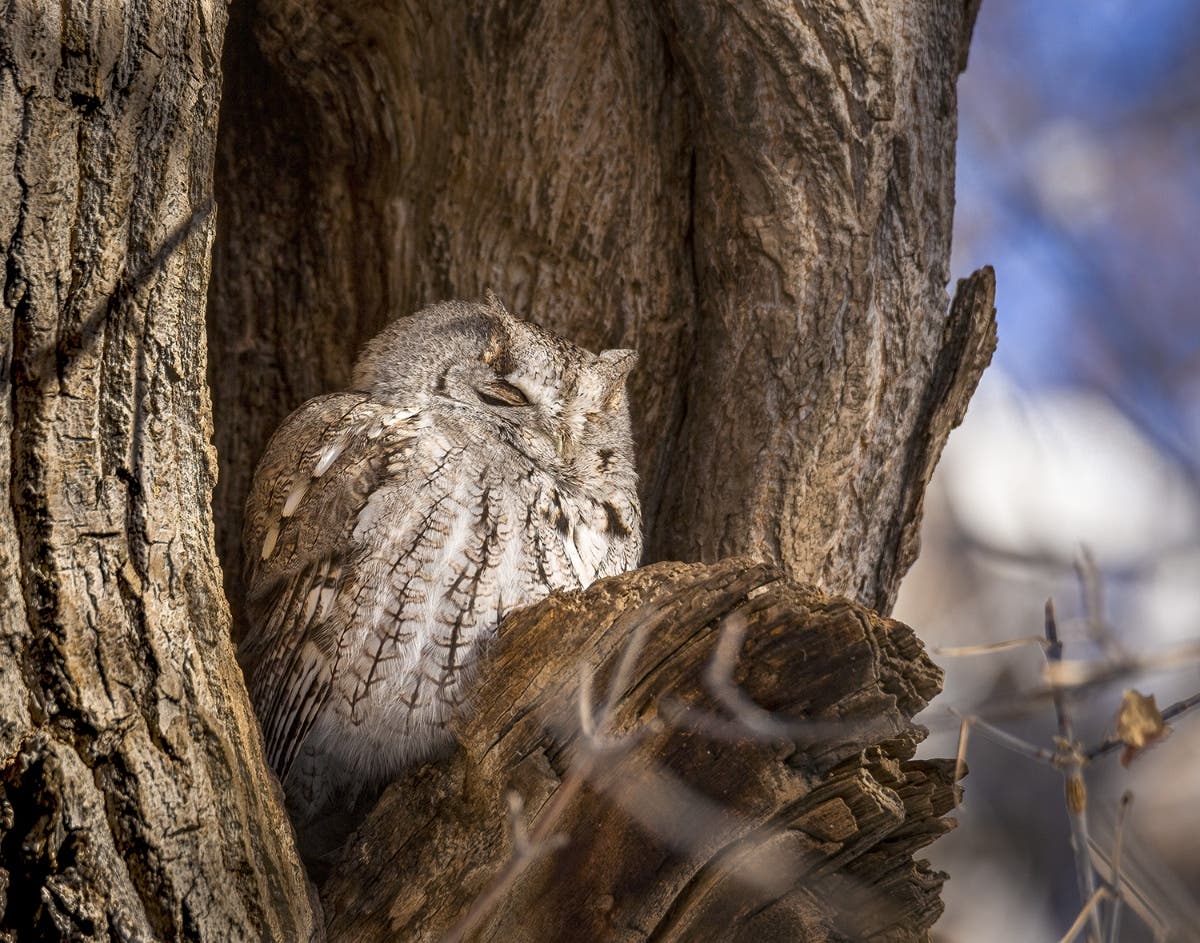
Sharing photos of owls in the wild is a great source of pride for birdwatchers. Of course, we thrive on the friendly “competition” to capture that stunning owl photo, but what happens after taking that Audubon-quality owl photo is a matter of great debate.
Revealing the owl’s location over social media can pose a severe threat to the owl.
So when Chris Hardman, Communications & Outreach Coordinator of Blue Heron Headwaters Conservancy asked for our help spreading the word about the dangers of sharing an owl’s location over Instagram and other platforms to protect the bird’s safety, we were happy to do our part.
Finding Owls in the Wild is a Rush
Let’s be honest. Finding an owl in the wild is not an easy task. It’s a skill. Many look past an owl perching in a tree because they have fabulous camouflage.
Find out what's happening in Danburyfor free with the latest updates from Patch.
The owls see you, but you don’t see them. Nature designed them that way.
Think about how many Screech Owls you probably miss sitting in cavities of hollow dead trees or Northern Saw-whet Owls you thought were pine cones. So when you find an owl, you want to beat your chest and announce to the world, “I found this owl,” and then grab your phone and share it on Instagram.
Find out what's happening in Danburyfor free with the latest updates from Patch.
Digital photography and social media inspire a greater appreciation of birds and nature than ever before, and with this power comes the responsibility to your subjects.
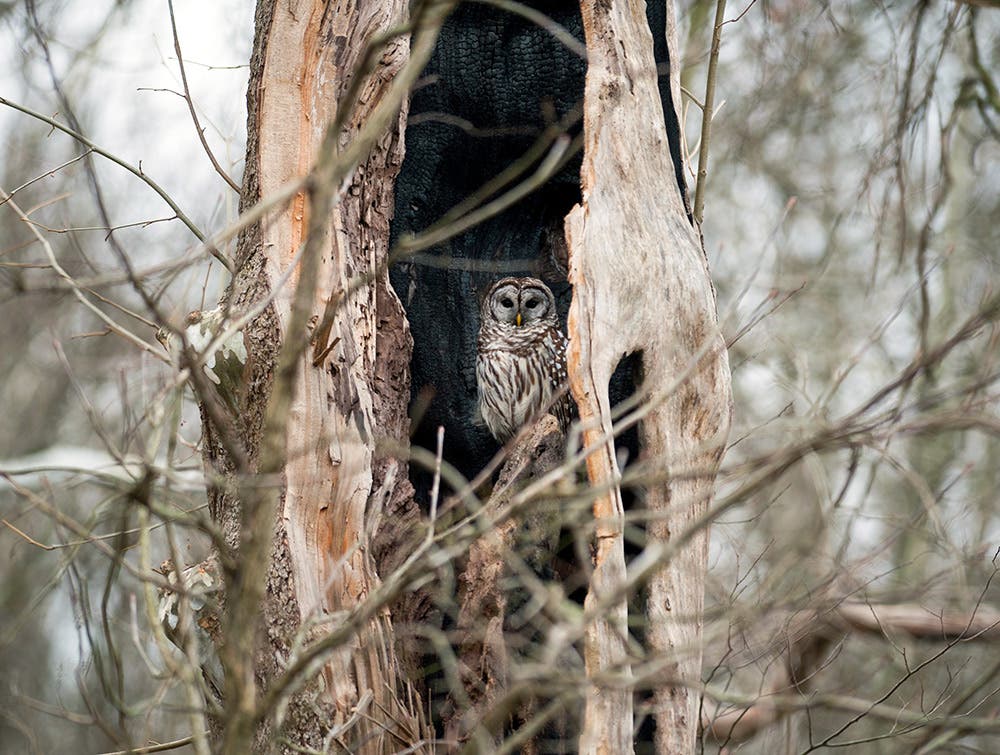
Dangers of Sharing Pics of Owl in the Wild
Sharing owl photos over social media channels and revealing the bird’s location instantly alerts your followers. Then everyone wants to join in on the fun to see an owl in the wild, so it’s vital to protect owls and other birds of prey long after taking that perfect photo.
Some owls are endangered, and others are just rare to an area, so the bird’s presence attracts lots of attention.
The attention disrupts nesting sites, other wildlife, and area residents.
We get it. Owls are elusive, and when we hear about a Snowy Owl sighting, word spreads quickly, and birdwatchers flock to catch a glimpse of the bird.
Many of us are good citizen scientists and post our sightings on eBird, but rare bird alerts send throngs of birdwatchers to the bird’s location.
Don’t worry. You can still proudly share that Snowy Owl photo by following these tips for enjoying owls in the wild and being a responsible bird photographer.
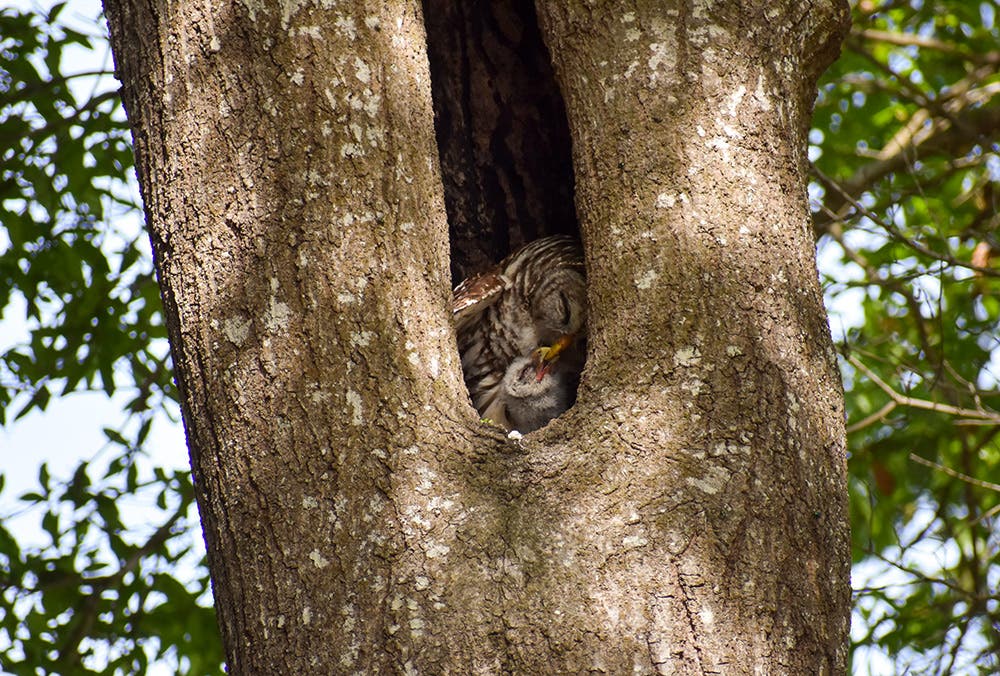
Be a Responsible Owl Photographer
Tips for Respecting Owls and Wildlife as an Ethical Bird Photographer
1- Turn Off GPS or Geotagging on Your Camera
It’s great to have this feature to pinpoint your exact location for future reference, but location information is embedded in your photos and accessible to anyone. Fortunately, most social media platforms strip out this date, but we recommend turning it off to play it safe.
2- Use Generic Location in Captions
Instead of revealing the exact location of the Snowy Owl, be generic and use a state or different tag like “somewhere in the world,” “wish you knew,” “in the woods,” or “in the sky.”
Of course, the locals know the owl’s whereabouts and probably knew about it long before your discovery, but you’re not broadcasting it to the metaverse and causing more disturbances for the bird.
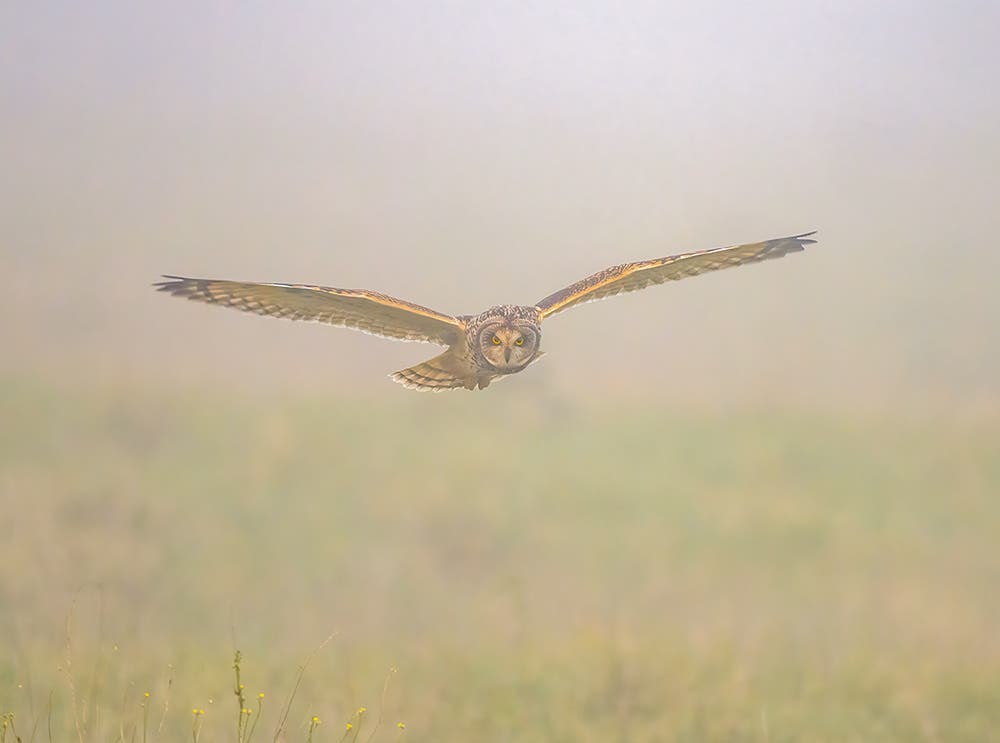
3- Delay Posting Photos
There’s nothing wrong with delaying your post until the bird moves to a safe location. You can still get your moment of owl glory, and it keeps the owl safe from onlookers.
If the owl is nesting or has chicks, consider delaying your post until they’ve safely fledged or left the area.
One of the most significant ethical considerations with nesting birds of prey is limiting contact while owls are nesting because it stresses the female, her mate, and the chicks. It can have a profound impact and drive the birds away next nesting season.
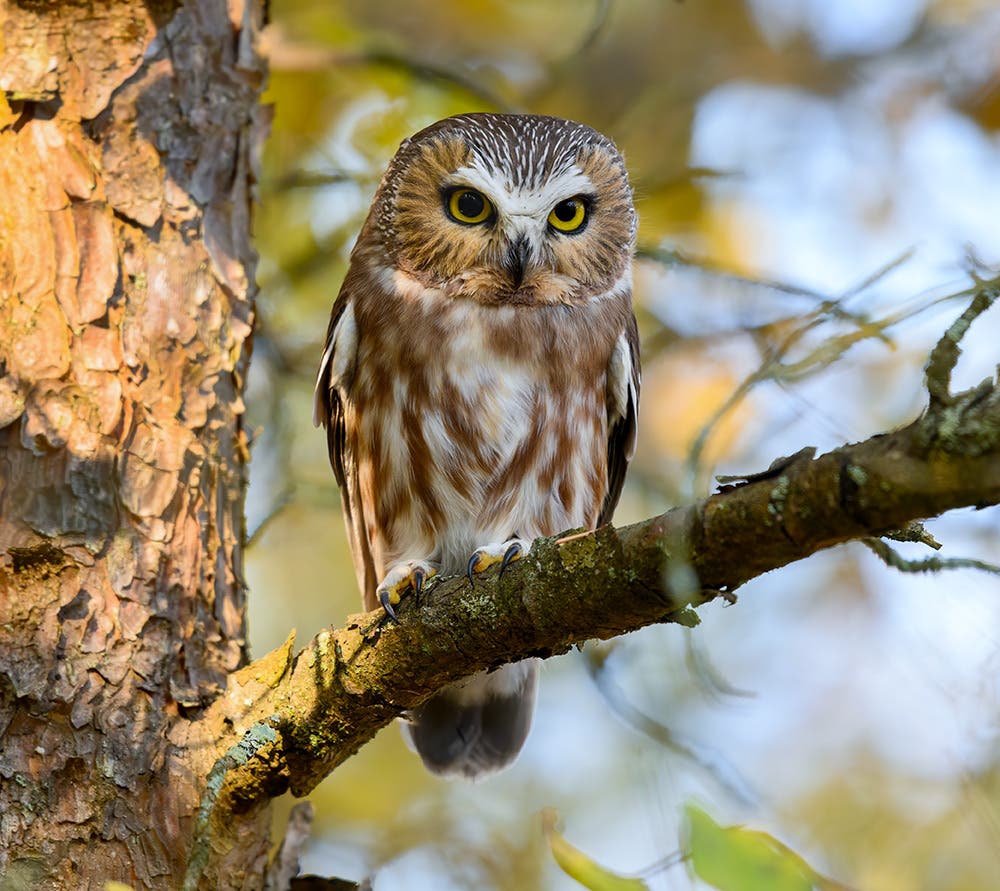
4- Never Use a Flash (Especially When Owls are Flying)
Owls have extremely sensitive retinas, and since everything living thing is prey for something else higher in the food chain in the wild, a momentary loss of vision can have deadly implications for owls.
5- Don’t Stress the Owls
Owls are shy and reclusive by nature, hiding from other predators and for protection from the elements, so it’s important to never flush owls from their roosts.
Would you like it if a giant walks up to your house and sticks their hand through your window?
When you find an owl, limit your time “disturbing the bird.” The owl hears you long before you see them.
If you see any signs of alarm, such as the owls clacking their beaks, elongating their bodies, raising their ear tufts, or lifting their wings, then it’s time to back off.
Finding owls in the wild is a privilege few encounter, so it’s essential to use caution when engaging with owls. Please think about the consequences of taking and sharing your photographs.
Your encounter with an owl is a special moment to you, but to owls and other birds of prey, every second is about survival in the wild.
IntoBirds is an eco-conscious website and online shop committed to preserving birds and wildlife. Our online shop sells handmade items inspired by vintage-style designs of birds and nature. Each handcrafted piece is as unique as the bird it represents. We donate 25% of the proceeds from our shop to organizations protecting birds and wildlife. When you purchase products from our shop, you’re helping to save birds and wildlife. Visit out shop at intobirds.shop.