Politics & Government
Darien P&Z Commission Wants Local Control Over Accessory Apartments
The Darien Planning & Zoning Commission said this week that it wants to opt-out of the state's policy that allows Accessory Dwelling Units.


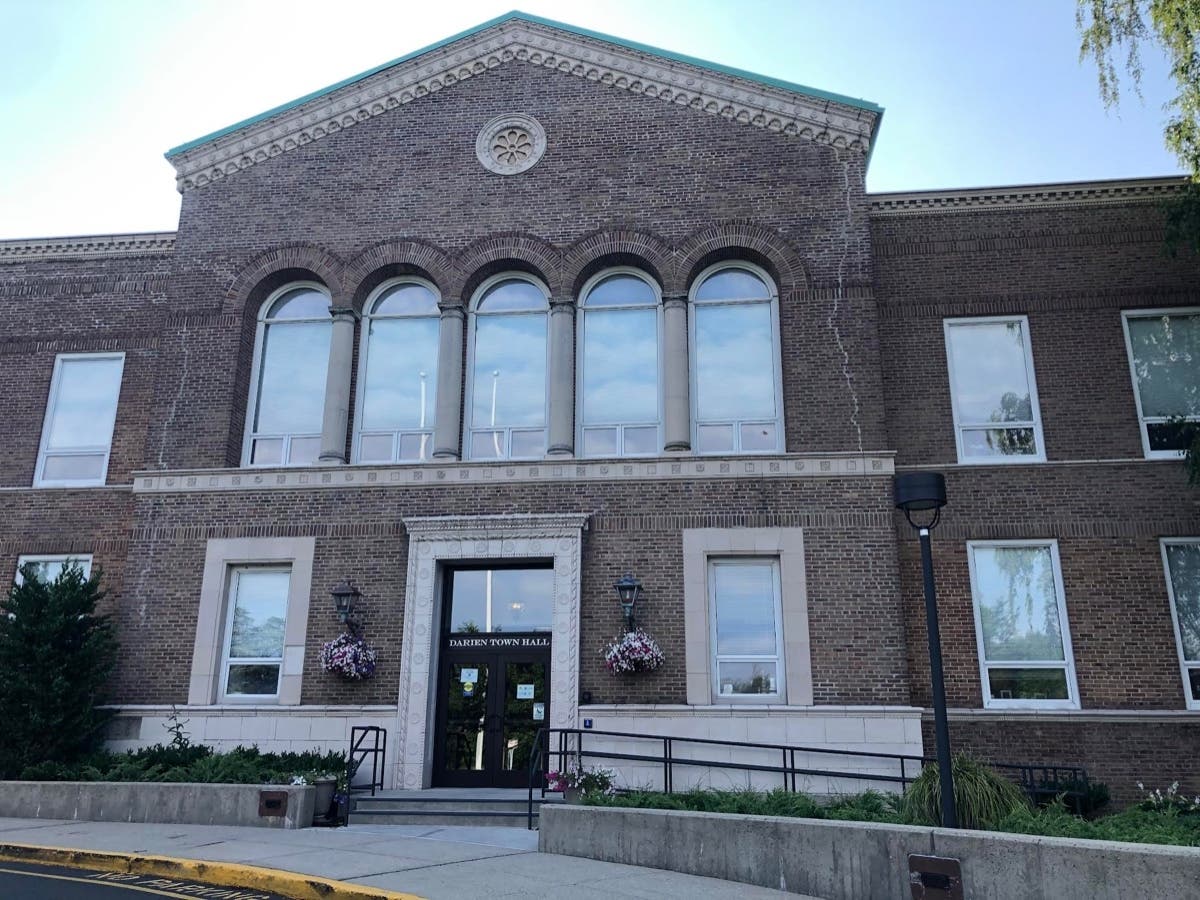
DARIEN, CT — Citing the desire to maintain local zoning control, the Darien Planning and Zoning Commission indicated this week that it would vote to opt-out of the state's policy that allows Accessory Dwelling Units.
Public Act 21-29 requires Connecticut municipalities to allow single-family homeowners to build or convert structures on their property into ADUs, which are also known as accessory apartments or even "granny flats" or "in-law apartments."
An ADU is classified as a separate dwelling unit that is located on the same lot of a principal dwelling unit of greater square footage, and also has cooking facilities. They can be detached or attached to another building, in the basement, above an existing garage, or even the garage itself.
Find out what's happening in Darienfor free with the latest updates from Patch.
David Keating, a former zoning enforcement officer and assistant director of planning in Darien, gave a brief presentation on ADUs to the commission on Tuesday, pointing out a number of pros and cons.
ADUs increase the housing selection and the affordability for renters, and can increase the resale value of a property, Keating said.
Find out what's happening in Darienfor free with the latest updates from Patch.
Keating noted that accessory apartments that are allowed as of rights under Public Act 21-29 do not count in the calculation of the 10 percent goal of affordable housing.
He explained that they can cause an increase in on-street parking, traffic and congestion. Accessory apartments can also put strain on public sewers and water facilities, as well as emergency and town services.
"Under the public act, the planning and zoning commission has big decisions to make," Keating said.
The commission has until Jan. 1, 2023, to decide if it wants to adopt the regulations from the state, or opt-out and craft its own ADU statute.
"I want to be able to maintain local control for the town of Darien," said Planning and Zoning Commission Chair Stephen Olvany, a sentiment shared by his fellow commissioners. Olvany did say that "it's very easy" to have an Accessory Dwelling Unit in a two-acre lot.
"We have to remain masters of our own destiny, insofar as we can," added Commissioner Jim Rand. "That means putting together our own rules and regulations about how this is to be implemented."
Olvany and other members had concerns about parking related to accessory apartments. The Darien zoning regulations require that each dwelling unit have two onsite parking spaces with certain size parameters.
Olvany also said more kitchens in living spaces could mean the potential for more fires.
Keating said in some residential zones, the town has allowed detached accessory structures for garages and for storage and utilities, which have reduced setback areas.
The argument could be made that those could be converted to accessory apartments, but those structures lack the proper footings and foundation, and don't meet building code, and would have to be completely rebuilt, Keating said.
"We need to deal with that affirmatively and assertively rather than just letting people make the argument," Keating noted.
Planning and Zoning Director Jeremy Ginsberg said towns like Westport, Wilton and Fairfield will opt out, and Greenwich is expected to opt out, too.
The Representative Town Meeting must also be on board with the opt-out. A two-thirds vote is required by the RTM and P&Z.
The commission is hoping to bring the item before the RTM for consideration at its regularly scheduled October meeting.
Get more local news delivered straight to your inbox. Sign up for free Patch newsletters and alerts.