Weather
Perseid Meteor Shower Peaks Tonight Over Connecticut: How to Watch
Tonight is the peak of the Perseid meteor shower, with up to 200 shooting stars streaking across the skies. Will the weather cooperate?


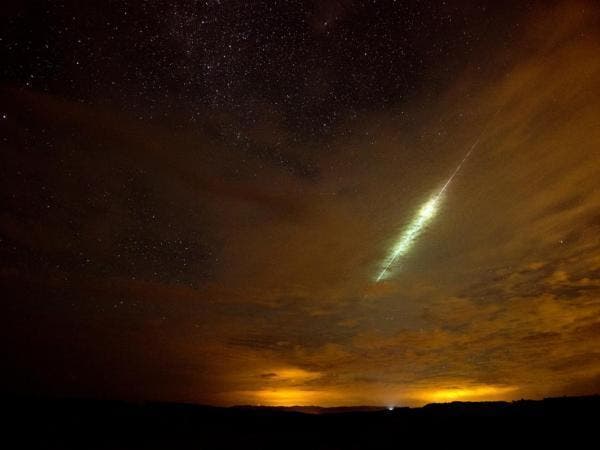
Tonight is the peak of the annual Perseid meteor shower, with up to 200 "shooting stars" per hour streaking across the night skies. This year, the Perseids are poised to offer a double feature due to what NASA calls an “outburst effect.”
The best views of the meteor shower will come after 1 a.m. Friday when the moon has set, says Astronomy magazine.
But will Mother Nature get in the way of the view from your backyard? There's a chance.
Find out what's happening in Darienfor free with the latest updates from Patch.
Scattered showers and isolated thunderstorms are forecast in Connecticut tonight leading up until midnight. Some of the storms could produce heavy rainfall but skies will be partly cloudy overall, the National Weather Service says. The chance for storms is around 40 percent.
But at midnight the chance for showers drops to around 20-30 percent in Connecticut, which is when the meteor shower nears its peak. Overall, the skies are forecast to be partly cloudy during the meteor shower peak.
Find out what's happening in Darienfor free with the latest updates from Patch.
If rain ruins the show from outside, you can catch a live broadcast of the Perseid meteor shower courtesy of NASA beginning at 10 p.m. here.
See also: Geno Auriemma Blasts Donald Trump in Olympic Interview
NASA meteor expert Bill Cooke says the Perseids will be in "outburst" this month, which means they'll appear at double the usual rates. Learn more about the 2016 Perseid meteor shower in this video.
In a typical year, observers under a clear dark sky can expect to see up to 100 meteors per hour. But the planet Jupiter recently nudged the debris from the Swift-Tuttle comet closer to Earth, which could mean up to 150 meteors ore more per hour overnight Thursday into Friday.
"This year, instead of seeing about 80 Perseids per hour, the rate could top 150 and even approach 200 meteors per hour," Cooke told Space.com.
The key to seeing a meteor shower is to go outside to a dark area. It takes about 30 minutes for your eyes to adjust to the dark, and the longer you wait outside, the more you'll see, Cooke says.
Every Perseid meteor is actually a tiny piece of debris from the comet Swift-Tuttle which disintegrate in flashes of light when they hit the Earth’s atmosphere. They’re called Perseids because they seem to originate from the constellation Perseus.
Will the skies be clear for viewing? Here's the local hourly forecast:
8 to 11 p.m - Partly cloudy with a chance of scattered showers and a thunderstorm
11 p.m. to 1 a.m. - Chance of scattered showers and an isolated thunderstorm, 40 percent chance at 11 p.m. and dropping to 20 percent after midnight
1 a.m. to 4 a.m. - Partly cloudy
4 a.m. to 5 a.m. - Partly cloudy
Written by Kara Seymour and Brian McCready, Patch Staff
Get more local news delivered straight to your inbox. Sign up for free Patch newsletters and alerts.