Health & Fitness
West Nile-Carrying Mosquitoes Found In Darien: Health Department
The department offers tips to avoid falling victim to mosquito-borne illnesses.


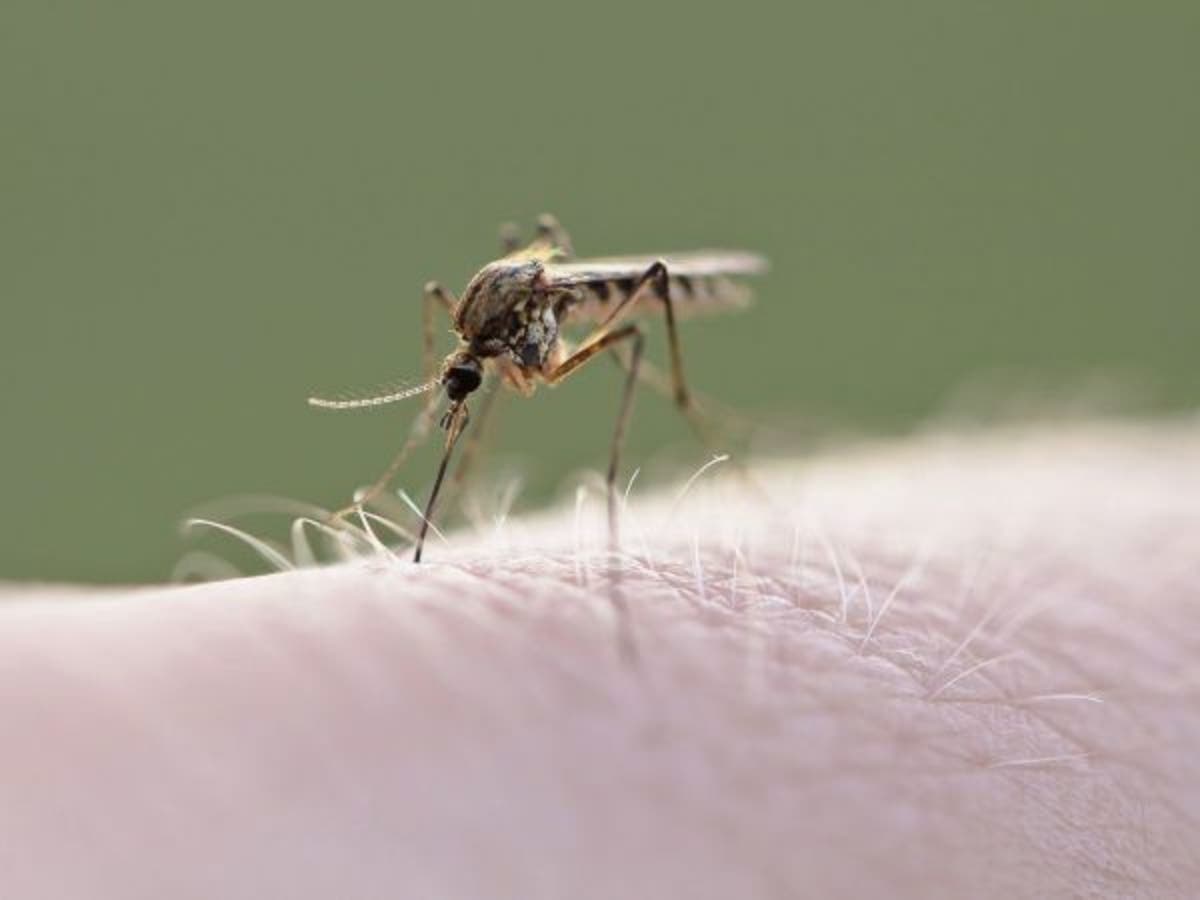
DARIEN, CT — Add Darien to the growing list of Connecticut communities where mosquitoes have tested positive for West Nile virus, according to Darien Director of Health David Knauf.
"As of today, July 18, 2018, [the state Department of Public Health] has announced that mosquitoes positive for [West Nile virus] have been found in Darien and six (6) other communities in Connecticut," wrote Knauf in a statement. New Canaan is among the other towns where mosquitoes have tested positive for West Nile virus. "It is important to note that NO cases of West Nile Disease have been diagnosed in Connecticut residents thus far this year."
The state Mosquito Management Program monitors mosquitoes for the presence of viruses that can cause illness in people including West Nile virus (WNV), Eastern equine encephalitis virus (EEE) and ZIKA. The mosquito trapping and testing program, coordinated by the Connecticut Agricultural Experiment Station (CAES), began in June and continues through October.
Find out what's happening in Darienfor free with the latest updates from Patch.
"Monitoring for mosquito-borne illnesses utilizes mosquito trapping and testing results," according to Knauf. "The CAES maintains a network of 91 mosquito-trapping stations in 72 municipalities throughout the state with two traps located in Darien. Mosquito trapping is conducted at each site every ten days on a rotating basis. Mosquitoes are grouped (pooled) for testing according to species, collection site, and date. Test results are available approximately one week after mosquito collection and positive results are reported to local health departments by the State Department of Public Health (DPH)."
The Darien Department of Health offers the following tips to avoid falling victim to mosquito-borne illnesses:
Find out what's happening in Darienfor free with the latest updates from Patch.
Protect yourself from mosquitos: To reduce the chance of being bitten when outside, wear protective
clothing such as long sleeves, long pants and head cover. Light-colored, loose-fitting clothing is preferable
because dark clothing radiates more heat and attracts more mosquitoes. Insect repellents containing DEET,
picaridin, IR3535 or oil of lemon eucalyptus can be used by most people and are often effective for varying
lengths of time. Permethrin, a synthetic pyrethroid that is widely available for repelling and killing ticks,
also repels and kills mosquitoes. It is applied to clothing and provides longer-lasting protection. Do not
apply permethrin products directly to skin. Although not marketed as repellents, there are several cosmetic
liquids and creams that claim some level of mosquito repellency. These products may effectively repel
when mosquito pressure is light, but need to be reapplied frequently. The U.S. Environmental Protection Agency (EPA)provides further information on the use and effective use of repellants.
What you can do: You can help with managing the mosquito “problem” but you need to realize that part of
what makes this area so pleasant for us is what encourages the mosquitoes to be here as well.....and that is
the presence of water. One of the easiest and surest ways to manage mosquitoes around the home is to
eliminate standing water where mosquitoes can lay eggs. Mosquitoes need at least 7-10 days in water to
fully develop. Some common sources of mosquitoes around the home are:
- Artificial containers that hold water (e.g., pails, paint cans, discarded tires)
- Boat or pool covers or tarps that collect rain water
- Unmaintained bird baths or wading pools
- Rain barrels and clogged roof gutters
- Rot holes in trees and stumps
- Practice good sanitation around the home
Homeowners should properly dispose of or recycle trash which can hold rainwater. Make it a practice to flush bird baths and wading pools weekly.
Swimming pool filtering systems should be maintained and in good working order. Abandoned pools should be drained, filled or “shocked” with pool chemicals. Openings for standing water
sources, such as rain barrels, can be sealed or covered with screening.
Rotten stumps and tree holes can be filled with sand. Discarded tires should be disposed of properly, holes (0.5 inches or larger) can be drilled in the bottom of the tires to drain rainwater or the tires can be stacked and covered to prevent rainwater from entering. Ornamental pools and aquatic gardens can become sources of mosquitoes if the water is allowed to stagnate. Water should be changed frequently or an aerator can be installed.
Homeowners can practice their own biological control by stocking minnows, such as Gambusia, koi or guppies, which will eat mosquito larvae. The fish will need to be brought indoors for the winter or restocked annually because they will not survive Connecticut winters. Large pond stocking with non-native fish or releasing fish into public waters is prohibited. Insecticides, such as those containing the bacteria Bacillus thurgiensis var. israelensis (Bti), are available at many nurseries and garden supply centers and can be used to treat mosquito breeding sites on your property. In general, natural ponds and lakes are not sources of mosquito breeding, because permanent bodies of water usually contain fish and other predators that would consume mosquito larvae.
There are also ways homeowners can minimize the annoyance caused by adult mosquitoes. Mosquitoes
prefer to rest in shady, calm areas and will avoid more open sunny, breezy areas. Mowing tall grass will
reduce places where mosquitoes can rest. Mosquitoes are most active around dawn and dusk although
some, such as the common saltmarsh mosquito, may be active throughout the day or may be more active
during cloudy, humid weather. Simply avoiding outdoor activity during these peak mosquito times can
minimize contact with mosquitoes. Enjoy the summer! And don’t forget the sunscreen!
For more information please view the following websites:
Centers for Disease Control (www.cdc.gov)
Connecticut Department of Public Health (www.ct.gov/dph)
Connecticut Agricultural Experiment Station (www.ct.gov/caes )
http://www.ct.gov/mosquito/site/default.asp
Image via Shutterstock
Get more local news delivered straight to your inbox. Sign up for free Patch newsletters and alerts.