Community Corner
How A Fairfield Man Helped 40 People Escape Afghanistan
Among that group of 40 U.S. citizens, Green Card holders and allies were four stranded children. They have since reunited with their mother.


FAIRFIELD, CT — For several days last week, Fairfield resident Alex Plitsas found himself averaging about two hours of sleep a night and unable to eat most of the time.
This week, he can sleep soundly, knowing that 40 United States citizens, Green Card holders and Afghan allies — including four children left stranded in Afghanistan in the waning days of a 20-year war — are safe in the U.S., thanks to his efforts.
“I was so worried the entire time,” said Plitsas, a U.S. Army veteran who became involved in “Digital Dunkirk,” an undertaking by hundreds of national security experts to get as many people as possible out of Kabul after the capital city fell to the Taliban in mid-August.
Find out what's happening in Fairfieldfor free with the latest updates from Patch.
Digital Dunkirk is not a government-sponsored operation, but its participants did work with the U.S. Department of Defense.
“For me it was definitely an opportunity for closure,” said Plitsas, who received the Bronze Star Medal and the Combat Action Badge for his service in Iraq and who for many years suffered from post-traumatic stress.
Find out what's happening in Fairfieldfor free with the latest updates from Patch.
Plitsas, who is the chairman of Fairfield’s Republican Town Committee, conducted the rescue effort from his home office. His work began with a text from social media acquaintance and CNN news anchor Jake Tapper, who had information about Americans in need of help escaping Afghanistan.
It makes sense that Tapper chose to contact Plitsas, who worked in Afghanistan as a defense civilian intelligence officer in 2012, after spending time in 2008 and 2010 in Iraq, first in psychological operations for the Army and then as a civilian working to disrupt bomb supply chains. Plitsas also worked at The Pentagon as chief of sensitive activities, specializing in issues such as hostage rescue and sensitive information. He now oversees aerospace and defense for a consulting firm.
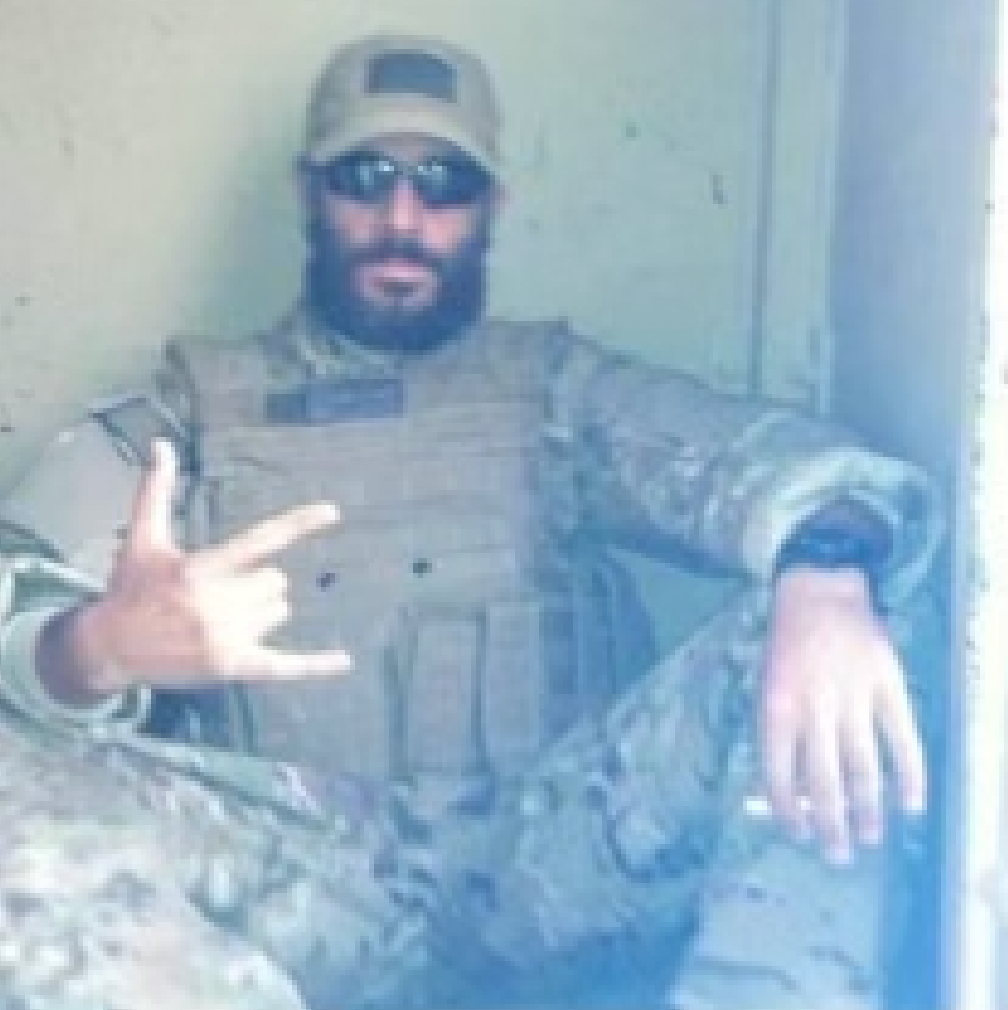
“This past week has proven to me that the network is still able to move Heaven and Earth,” Plitsas said.
His work for Digital Dunkirk involved finding families, using technology to coordinate safe transportation, and breaking down bureaucratic and military language so that it was easier to understand.
“You had a bunch of scared folks who were being given instructions by the state department,” Plitsas said.
After the evacuees arrived at the airport in Kabul, a terrorist bombing occurred Aug. 26 at the facility, killing 13 U.S. troops and many more Afghans. Plitsas and his collaborators anticipated that a bombing would target the only point of entry accepting Americans, and directed the people they were working with to the other side of the airport.
“They were stuck outside the airport for almost 24 hours,” Plitsas said.
Among that group of 40 people were four children who had been abandoned in recent weeks. The siblings, who ranged from mid-teens to elementary school-aged, had left the country, but then been kidnapped by relatives and returned to Afghanistan. Their father was assassinated in 2013 while working for U.S. forces. Their mother, Suneeta, lives in Albany, New York, and has been separated from her children for five years.
Plitsas worked with Suneeta to ensure her children were picked up before dawn and placed with a family with whom they could travel to the airport. Suneeta’s children and the other 36 escapees left Kabul on Aug. 27, just days before President Joe Biden’s Aug. 31 withdrawal deadline, and stopped along the way in the Middle East and Germany, before finally landing in Washington, D.C.
Once in the U.S., the children reunited with their mother. Plitsas and several others who assisted in the reunion effort had a chance to meet the whole family when they arrived in Albany.
“It was probably one of the most emotional and wonderful experiences of my life,” Plitsas said. “She gave me a big bear hug, collapsed in my arms, and started crying.”
Front of mind for Plitsas during Digital Dunkirk were his own twin 7-year-old daughters and his step-grandmother, who survived World War II by hiding in an attic in Holland.
“There’s an opportunity and a role for civilians to play at dire times during war,” he said.
While Plitsas supports the withdrawal from Afghanistan, he is concerned about the hundreds of Americans who remain there, as well as the thousands of Afghans who sought interpreter visas but did not receive them.
“We have hundreds, if not thousands, of potential hostages in (the) country right now that were left behind,” he said.
For the time being, Plitsas will turn his focus stateside, helping refugees arriving from Afghanistan settle in Connecticut. He has already been in touch with Fairfield’s state legislative delegation and Gov. Ned Lamont.
“This really needs to be a bipartisan effort,” he said. “I think we have a moral obligation to take care of these folks.”
Get more local news delivered straight to your inbox. Sign up for free Patch newsletters and alerts.