Health & Fitness
Seasonal Allergies and Your Eyes
What to Do About Inflammation, Itching, Watering and Burning

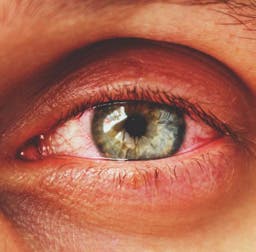
While spring flowers and trees are a welcome sight, the seasonal allergies that bloom along with pollen can make your eyes miserable and bring on inflammation, itching, watering and burning.Seasonal allergic conjunctivitis is the most common ailment and is often characterized by chronic dark circles (known as allergic shiners), puffy eyelids and sensitivity to bright lights. Board-certified Optometrist Dr. Helen Zervas of Family Eye Care in Bristol says, “unfortunately, the eye rubbing that you hope will bring relief actually makes symptoms worse and can potentially cause infection.”
Seasonal allergies are an immune system response that causes your body to produce the natural chemical histamine in the body, which is responsible for those itchy, watery eyes. Dr. Zervas says, “oral antihistamines or eye drops with antihistamines are an effective treatment for reducing these symptoms. But it is important to note that allergy medications are most effective when they are taken about 2-3 weeks before the real onset of allergy season.” It is best to schedule an appointment to speak to your eye doctor about a medication that might be right for you as soon as possible.
Nonprescription eye drops and oral medications are usually fine for short-term relief of some symptoms, but not all. Dr. Zervas warns, “use caution as prolonged use of some OTC eye drops may actually cause your condition to worsen. Prescription eye drops and oral medications can also be used to provide both short- and long-term targeted relief of symptoms. Our staff can help determine which treatments are best for you.”
Find out what's happening in Farmingtonfor free with the latest updates from Patch.
While children can also be treated with both OTC and prescription medications, some treatments are age-specific. Artificial tears are safe at any age, but some antihistamines and mast cell stabilizers should only be used in children 3 and older. You can speak to your pediatrician and your eye doctor about what is right for your child.
Dr. Zervas advises that, “your contact lenses can be a culprit, trapping pollen in your eyes and keeping it there. Soft contact lenses are more permeable which means that they absorb even more pollen. I recommend that patients wear glasses on bad pollen days, or at least switch to daily disposable lenses, which can be tossed before pollen has the chance to build up.”
Find out what's happening in Farmingtonfor free with the latest updates from Patch.
Pollen can build up on more than your contact lenses-It is also on clothes, skin and hair. Showering and regularly washing the pollen away from your eyes is key. Pollen can also build up in the home once windows and doors are open, can be tracked through the house on shoes. “To help keep your eye allergies at bay, limit your indoor allergen exposure by regular vacuuming and opting for air conditioning instead of keeping the windows open.”
Family Eye Care is located at 580 King Street in Bristol. The office can be reached at 860.584.5528 or online at https://www.familyeyecaredr.com/.