Community Corner
AMERICAN ROOTS: THE SIGNIFICANCE OF THE KITCHEN GARDEN AT AN 18TH CENTURY CONNECTICUT RIVER VALLEY MANSION
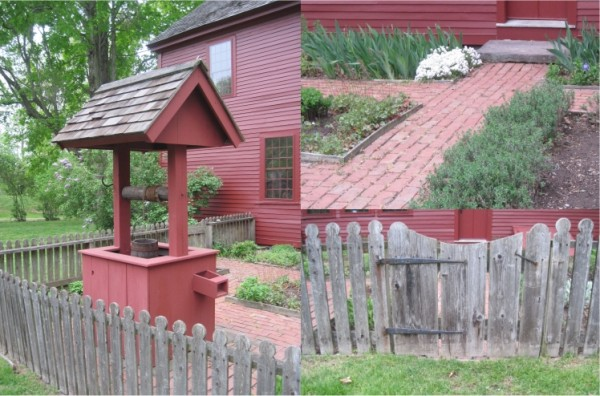
On Sunday, May 19th the place to be is the Kitchen Garden at the Welles Shipman Ward River Valley mansion. The Historical Society Glastonbury is teaming up with the Glastonbury Garden Club to present an educational event centered on the significance of the Colonial Kitchen Garden. As we travel back to colonial times, we are reminded that you couldn’t just go to the supermarket to pick up food; you had to grow it yourself. The Historical Society’s South Glastonbury house museum was once home to the prominent 18th century shipbuilder, Mr. Joseph Welles and his family. Now known as the Welles Shipman Ward House, it features a colonial herb garden illustrating how Mrs. Jerusha Welles might have provided for her family’s daily needs, from harvesting, preserving, and cooking foodstuffs to medical treatments. Curator, Lin Scarduzio will be portraying the colonial Mrs. Jerusha Welles. Like other colonial New Englanders, Mrs. Welles had raised rectangular gardens just outside her home. Back then, gardens were by no means a pastime for people or utilized simply just to beautify their property. Her gardens were intensely cultivated and narrow enough to be tended from either side, filled with plants used to nourish her family throughout the year and herbs that would season their food and heal them. Kitchen gardens were often planted with a variety of vegetables, herbs, and fruits. Although we commonly refer to this type of garden as a “colonial herb garden”, there was no such entity. Herbs such as lavender, chamomile, thyme, and rosemary were tucked in the garden wherever their perennial habits wouldn't disturb the vegetables. Ordinary people would grow flowers, such as marigolds, around their vegetable beds, but the wealthy had the space to grow them separately. Organic gardens were the only option at that time. These folks had one up on us: Many of the most troublesome insects we wage war on yearly in our gardens today were not native, and in the 18th century they hadn't yet arrived in America . Their chemical arsenals included lime water, tobacco dust, chimney ashes, and manure tea. The Glastonbury Garden Club maintains the herb garden at the Welles Shipman Ward House and will be onsite on Sunday, May 19th from 1:00p.m. to 4:00p.m discussing gardens, colonial and current, answering questions, and giving advice. Mrs. Jerusha Welles will be cooking on the hearth, using seasonal period “receipts.” $3 admission per person includes food samples, and entrance and tour of the Welles Shipman Ward house, property, and barns.