Community Corner
Heavy Rain Over Glastonbury Raising Water Quality Concerns On Connecticut River, DEEP Says
Those accessing the Connecticut River in the short term should heed an advisory, state environmental officials said.


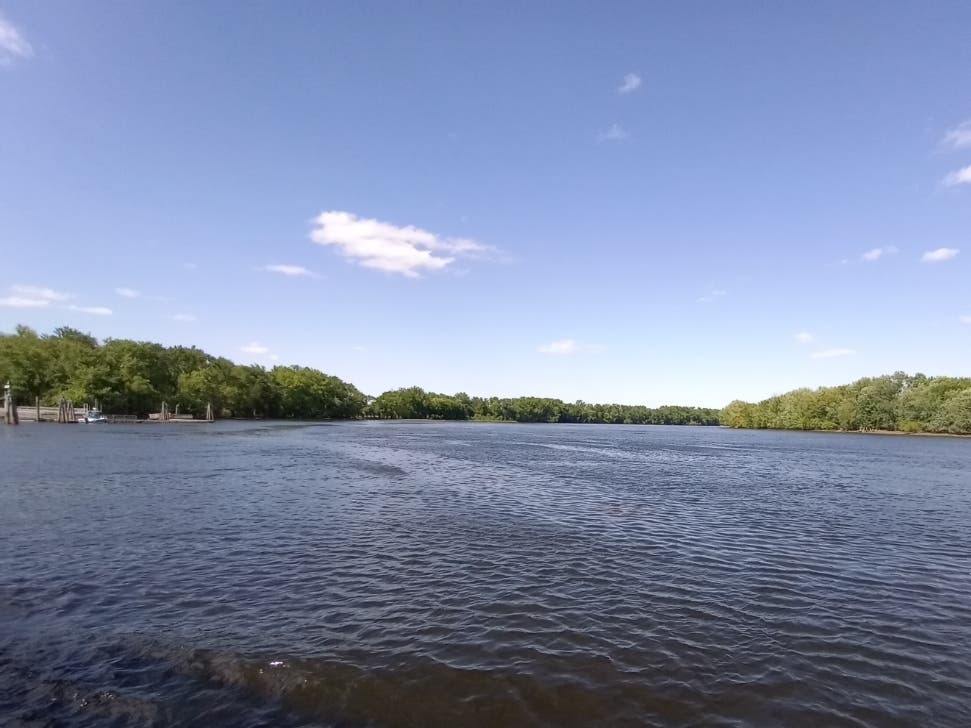
GLASTONBURY, CT — With heavy rain hitting Glastonbury, over multiple days, state environmental officials are urging residents to use caution on the Connecticut River, warning that stormwater runoff and combined sewer overflows can temporarily reduce water quality.
The Connecticut Department of Energy and Environmental Protection said runoff from heavy rain carries pollutants, including bacteria, metals, sediment and oil, into rivers and other waterways. As a result, officials recommend avoiding swimming or other water recreation in waters that are not designated and open for swimming during and immediately after storms.
The agency said heavy rain can also trigger combined sewer overflows, or CSOs, in older sewer systems that collect both stormwater and wastewater in the same pipes. During periods of intense rainfall, untreated wastewater mixed with stormwater may be discharged into nearby waterways to prevent backups and flooding of wastewater treatment facilities.
Find out what's happening in Glastonburyfor free with the latest updates from Patch.
In Connecticut, the Metropolitan District Commission system serving Hartford is the state's only community with combined sewer overflows that discharge into the Connecticut River. Three Massachusetts communities — Chicopee, Holyoke and Springfield — also have CSO outfalls that discharge into the river upstream of Connecticut.
DEEP said the Connecticut River can experience elevated levels of bacteria and other pollutants for 48 to 72 hours after significant rainfall because of stormwater runoff and combined sewer overflows. The agency said the water quality impacts are significant, even though the overall risk to human health is generally considered low because the river's high flows dilute pollutants and move them downstream relatively quickly.
Find out what's happening in Glastonburyfor free with the latest updates from Patch.
Officials said the increased flow and mixing in the river help reduce health risks after about two to three days, although water quality may remain impaired immediately following storms.
DEEP also warned residents to stay away from dams and waters immediately upstream and downstream during and after heavy rainfall. High water creates fast-moving, turbulent conditions that can be dangerous for swimmers, boaters and others recreating on the river.
The agency recommends checking water quality advisories before swimming or boating following major rain events and avoiding contact with waterways if conditions appear unsafe.
Get more local news delivered straight to your inbox. Sign up for free Patch newsletters and alerts.