Traffic & Transit
Project To Make Connecticut River Ferry More Efficient Gets Fed Boost
The historic ferry has a new power plant and the cost is being offset by a grant.


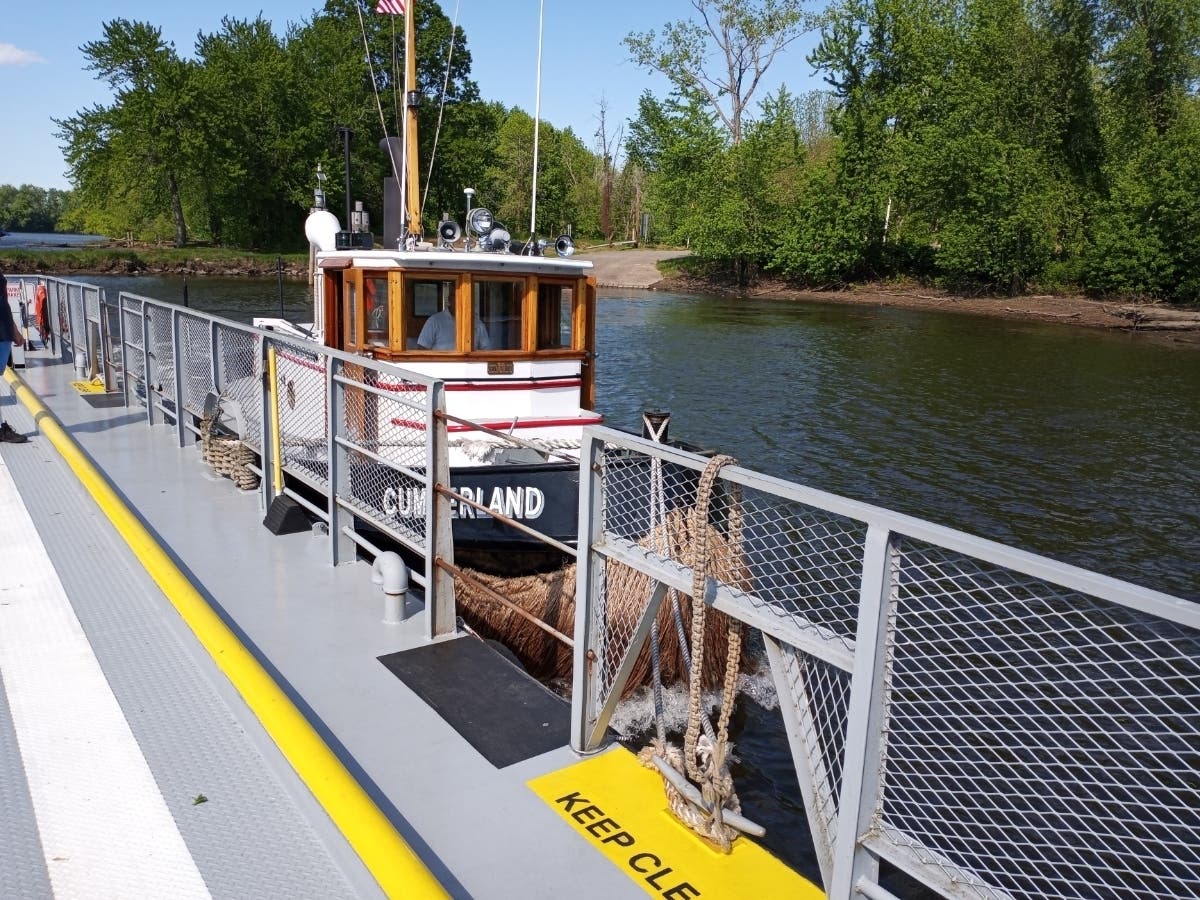
GLASTONBURY, CT — A project to help the historic Glastonbury-to-Rocky Hill operate more efficiently on its trips across the Connecticut River is being helped along by the 2022 Diesel Emissions Reduction Act State Grant Program.
The Connecticut Department of Energy and Environmental Protection and Gov. Ned Lamont provided a breakdown of the award Monday. The grant of more than $30,000 is designed to "support the state’s efforts to reduce diesel air pollution."
The Rocky Hill-Glastonbury Ferry is the oldest continuously operating ferry in America, having started service in 1655.
Find out what's happening in Glastonburyfor free with the latest updates from Patch.
The DERA program, which is administered by the U.S. Environmental Protection Agency, provides money for states to fund newer, cleaner vehicles and equipment "to improve air quality." Administered through DEEP as a rebate program, Connecticut is awarding these funds to both reduce air pollution and help towns and businesses begin the transition away from fossil fuels towards electrified vehicles and equipment.
"The importance of air quality has been front and center in the minds of most people in the region the last few days with the record levels of unhealthy air quality we've had," Lamont said. "It's fitting to share today one of the ways we're continuing the work to make the air cleaner and safer to breathe in Connecticut by deploying new emissions-reducing technology. We are excited to announce significant investments in new electric vehicles and other projects that will reduce transportation-related pollution in some of Connecticut’s communities that are inequitably overburdened by air pollution from diesel vehicles."
Find out what's happening in Glastonburyfor free with the latest updates from Patch.
The ferry project was one of three to replace older diesel marine engines with newer, cleaner engines. The ferry consists of a small tug called the Cumberland and a barge it tows alongside. The project replaced a Tier 2, 2013 John Deere marine engine with an EPA certified, Tier 3 Cummins QSL9 marine engine and transmission.
The amount awarded was $37,466.45 with the DOT's cost share at $56,480.49. The annual reductions are estimated at 0.704 tons of NOx, or noxious emissions.
On the opening week of the ferry season, one captain was raving abut the new power plant on the Cumberland. Ferry season in Connecticut typically runs through Nov. 30.
Get more local news delivered straight to your inbox. Sign up for free Patch newsletters and alerts.