Community Corner
Greenwich Education Association - An Advocate for Greenwich Public School Teachers
Teachers want to "turn the triangle around."
While most adults involved with the school system may be aware of that there is a teachers’ union, or Greenwich Education Association (GEA), few know much about the organization.
GEA has been in existence since the 1950s and is a part of Connecticut Education Association (CEA) and National Education Association (NEA.) While GEA does not necessarily report to either as each local union is independent, the state and national organizations do provide legal services, support, resources and advise when necessary.
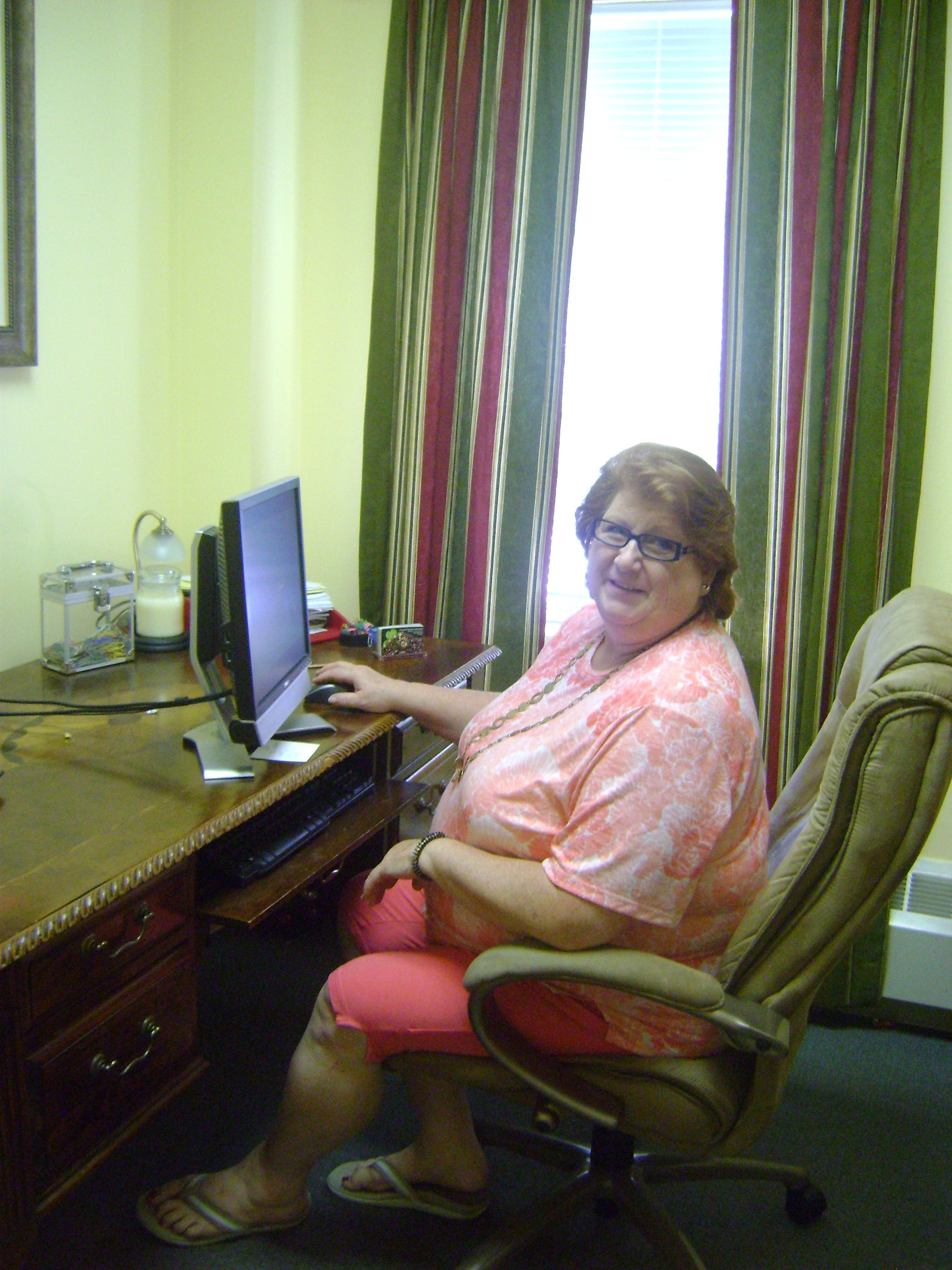
GEA is led by Cathy Delehanty, who is entering her seventh year as president, having been re-elected for her fourth two-year term in May. According to Delehanty, the primary purpose of GEA is "to protect teachers’ rights by representing them in meetings with administrators, provide support in evaluation reviews and to provide opportunities to improve practices through workshops and conferences."
Find out what's happening in Greenwichfor free with the latest updates from Patch.
Currently there are about 860 FTE (full time employees) who are part of GEA, which is one of more than 160 local affiliates in Connecticut. In total there are 41,000 members in the state. A teacher can "opt out" of the union and would then attain status of "agency fee" which translates into reduced services for a reduced rate. Delehanty approximates that less than 1 percent of the teaching staff opts for this.
Annual union dues are approximately $820 which includes state and
national dues. While GEA does not necessarily report to either as each local union is independent, the state and national organizations do provide legal services, support, resources and advice when necessary.
Find out what's happening in Greenwichfor free with the latest updates from Patch.
The rest of the Officers of GEA are: First VP - Faith Sweeney of ; 2nd VP - Ellen Murdock of ; Secretary - Betsy Cragg from ; Treasurer - Mary Zarra from ; Financial Secretary - Elaine Gencarelli of ; two committee chairs including Membership Chair (currently vacant) and Professional Rights - Lillian Perone from who also has served as GEA President.
With the recent attention being given to test scores, the impact and quality of teachers has come under scrutiny. Delehanty says "we have extraordinary teachers, but I worry they lose their capacity to really do what they can do best because they are bogged down too much." With each school year, comes a fresh page and a new set of challenges, the biggest one Delehanty says is "learning the needs of each student as quickly as possible to achieve ultimate academic success."
From the first day of school this is so intense, which she says is "not a bad thing, but we can do better." Delehanty states that teachers are as frustrated with test scores as parents and the community. "Teachers are hungry to have the autonomy to improve scores."
Delehanty says that teachers would like to be decision makers on a grade level and on a building level. She suggests turning the triangle around and allows teachers to have more of a voice in these decisions but she did not specify what type of decisions should be delegated to the teachers.
Greenwich may have a high cost per pupil, but how does that translate into expectations in the classroom? We may have the funds and resources, but how can they be streamlined? Delehanty suggests that "the expectations need to be more manageable" as she calls it "the treadmill effect; we simply cannot reach the end line."
Core to meeting expectations is the support that teachers receive. Delehanty says that what teachers want is really very basic: fair pay, resources and support. One area of support is from administration and Delehanty says that “most administrators are willing to work with GEA to resolves issues. Central office respectfully deals with GEA concerns resulting in satisfactory resolutions.”
Another form of support is on the building level. TEPL, or Teacher Evaluation Plan, is a process designed to demonstrate how well teachers are doing and how they may improve their practices. It is also meant to alleviate concerns that the district is employing bad teachers. The process is continually refined and the district is about to start the third year of full implementation.
While teachers are evaluated every year, every fourth year a teacher is required to present in a more in depth manner called their Unit of Study. Based on the results of TEPL, a teacher is given support
in areas which need development or improvement.
As far as compensation is concerned, Delehanty believes that more than half of those who belong to GEA are not in support of merit pay. The start of June saw the beginning of contract negotiations. This school year marks the third and final year of the current contract. The process has now entered the mediation phase and may soon go to the arbitration phase. While compensation will be central to that discussion, benefits also will be negotiated.
It is not unusual to hear much talk about tenure, which is attained when a teacher has 40 consecutive months of service. Delehanty believes that "tenure should not be looked at as a problem that we can't get rid of." Connecticut is a fair dismissal state and therefore tenure should not be looked at negatively. She also states that it is hard to compare education to a business. In the business world, industries are analyzed on their ability to turn a profit. How does one analyze profit in education? Test scores you say? Since teachers have skin in the test score game, Delehanty once again suggests turning the triangle around.
Of course, another layer to teaching is the emotional one. Children are precious to parents. Delehanty’s advice to new teachers to Greenwich when interfacing with parents is to “bear in mind that a focus on their child's needs is vital to them which includes every opportunity for academic growth.”
Open and honest communication between the parent and teacher is vital and essential to aligning the parent’s expectations, child’s need and how the teacher can address both within the parameters of what he/she is able to provide.
In addition to support and representation, GEA also 'gives back' to the community. While teachers support the community, mostly through projects and initiatives at their individual schools, they also do so on a broader level through the GEA and the United Way.
Most notable is GEA's Holiday Bear fundraiser for families and children in need. Holiday Bear is part of the Children's Education Foundation, a charitable nonprofit organization that provides a variety of educational services to the children and parents of needy families, and provides gifts to the youngsters. GEA works with the GPS social workers spearheaded by Maryann Murray to identify the families. Through the generosity of our teachers, on average 50 families are provided with gifts during the holiday season.
While many don't know exactly what the union does beyond negotiating contracts, there does seem to be alignment by all stakeholders on a focus of providing the best education possible to the children of Greenwich Public Schools. High-quality and well-supported teachers are not a nicety, but a necessity. Perhaps the next time you cross paths with a teacher, simply say 'thank you' for their job is harder than you may think.