Politics & Government
Greenwich Elected Officials Unite Against 8-30g Statute
Greenwich's delegation to Hartford announced Tuesday that it will introduce legislation aimed at reforming affordable housing statute 8-30g.


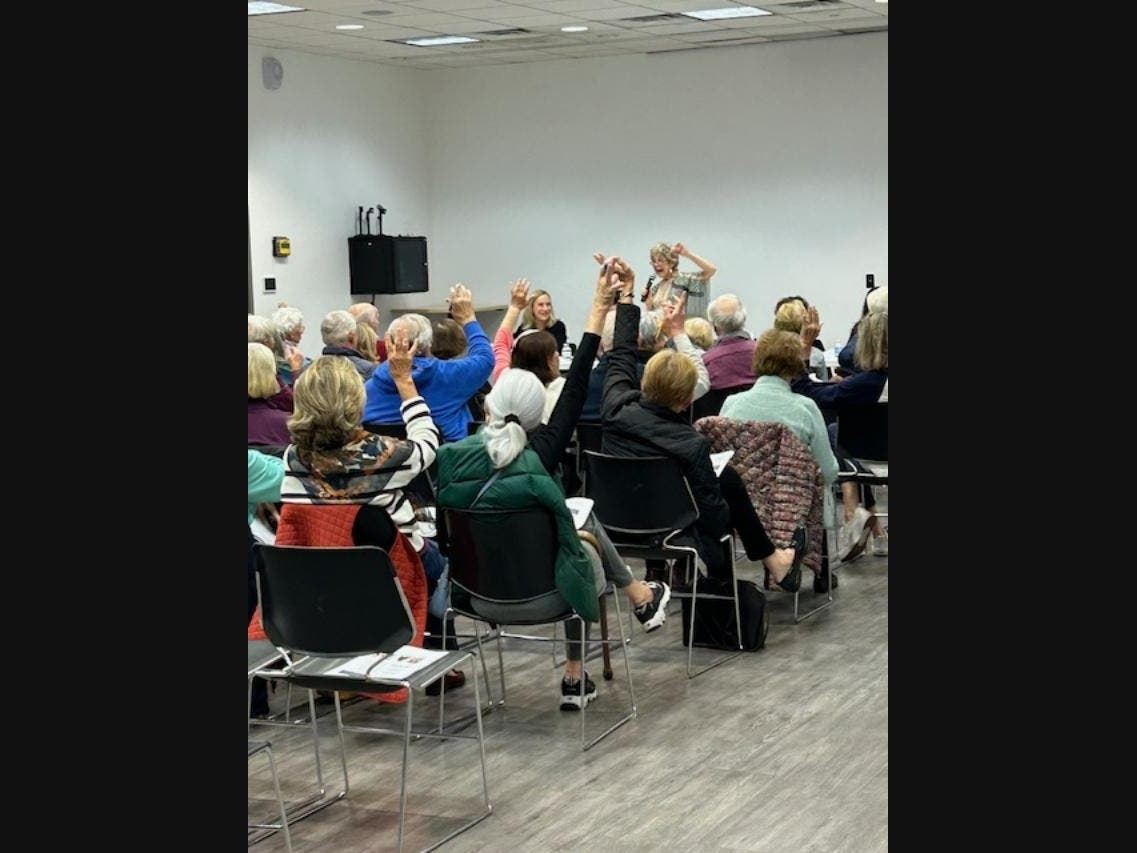
GREENWICH, CT — Elected officials and members from Greenwich Communities — formerly known as the Greenwich Housing Authority — gathered on Tuesday at Armstrong Court in Byram to unite against Connecticut's affordable housing statute, 8-30g.
The statute, which has been in place since 1989, requires all municipalities in Connecticut to have 10 percent of housing designated as affordable. Greenwich has yet to meet the goal at 5.3 percent, and needs roughly 1,200 units to be in compliance.
Developers can come into towns that aren't in compliance and ignore local planning and zoning regulations and build large developments, as long as 30 percent of the units in the development are designated as affordable housing, lawmakers said.
Find out what's happening in Greenwichfor free with the latest updates from Patch.
There have also been recent bills at the state level which Greenwich has objected to, because officials said they would strip local control away from the town.
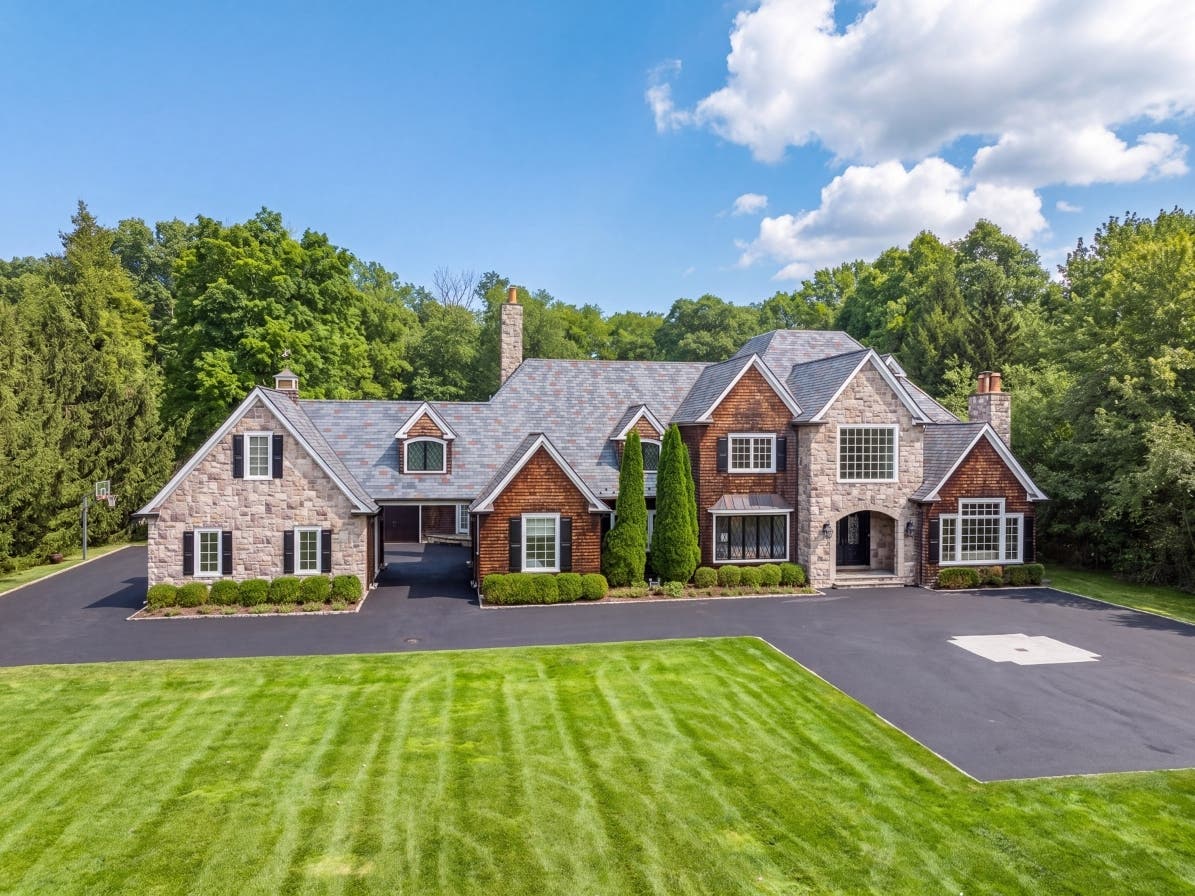
To that end, in order to keep local control and protect the architectural character of towns, Greenwich's delegation to Hartford said on Tuesday that it will introduce legislation this week that aims to reform 8-30g.
Find out what's happening in Greenwichfor free with the latest updates from Patch.
"We're deeply concerned about efforts at the state level to undermine local control of town planning and zoning," said State Sen. Ryan Fazio (R-36). "The 8-30g law in particular is imposing an undue burden on our town and allows developers to basically ignore and run roughshod over a lot of the local planning and zoning rules, which seek to have the interest of the whole community at heart."
The primary idea of the legislation looks to expand what is included in 8-30g, and what's counted. For example, country clubs, private schools and Greenwich Hospital provide workforce housing, but none of it is counted as affordable.
"We are convinced we have well in excess of that 10 percent, it's just not being counted. As long as we don't reach the 10 percent in the eyes of the state of Connecticut, we're going to have this gun over our head called 8-30g, which does threaten to fundamentally change what our town looks like," said First Selectman Fred Camillo, adding that 8-30g has "failed every town" and that a one-size fits all approach doesn't work.
Camillo noted that Greenwich has seen more 8-30g applications for developments in the last year than in the previous 29. He also said the proactive legislation has an eye towards the environmental side, and protecting against flooding that could result from construction projects and having soil replaced by impervious surfaces.
State Rep. Kimberly Fiorello (R-149) said it's time to reexamine the statute and make changes.
"I think it's perfectly reasonable for the people of Connecticut and the people of Greenwich to seek for the bills to be tweaked so they make sense and they are workable for the community, and it is not a cajole for out of state developers to come in and make permanent changes to the beauty of our towns," she said.
State Rep. Stephen Meskers (D-150) said affordability and inclusiveness are goals that need to be worked on continuously.
"The issue we're facing with 8-30g is a density issue for growth of the housing stock, versus getting to an agreed-upon level of affordable housing. I believe that our workforce, our people in our community, our seniors, all deserve decent and affordable housing," he said.
Armstrong Court served as a poignant backdrop for Tuesday's gathering. Groundbreaking on Phase II of the public housing redevelopment spearheaded by Greenwich Communities took place last May.
"We've made tremendous strides in redeveloping our properties over the last several years. We've reinvested close to $30 million in new construction and renovations of our properties to bring them up to world class standards," said Sam Romeo, chairman of Greenwich Communities.
Romeo said Greenwich Communities' units are affordable in perpetuity. He said developers build single-family units, which go back onto the open market in 30-40 years.
"So they're not really serving the community as the law intended," Romeo explained.
"Developers see an opportunity and they're jumping in to maximize their money and every square inch of land that's here on the gold coast," Romeo added.
Executive Director of Greenwich Families Anthony Johnson pointed out other initiatives the town is working on to address affordable housing, like the town's affordable housing trust fund.
Johnson said he believes Greenwich Communities will be a part of the solution in the town's quest to offer affordable housing.
"With the support financially and politically, I think we can achieve a great deal of what the [8-30g] legislation had intended to occur. I'm pretty sure we can get there," he said.
Fazio said Greenwich's delegation has worked with other lawmakers around the state, who are in support of reform to 8-30g.
Get more local news delivered straight to your inbox. Sign up for free Patch newsletters and alerts.