Health & Fitness
Greenwich Health Dept. Offers Tips For Dealing With Cold Weather
Freezing temperatures and below zero wind chills are forecasted for Sunday and Monday.

From The Town of Greenwich:With below freezing temperatures and below zero wind chills forecasted for this Sunday night into Monday January 21, 2019, the Greenwich Department of Health is reminding residents to take precautions against hypothermia and frostbite and when using alternative heating sources in their home. Heating systems during cold weather normally work “overtime” and sometimes become faulty without warning. When this situation occurs, space heaters and fire places get used to stay warm; however, their use increases the risk of household fires and carbon monoxide poisoning.
Extreme weather conditions are classified as near freezing or below freezing temperatures. Exposure to these weather conditions, whether indoors or outside, can cause serious or life threatening health emergencies. Although anyone can be affected by the cold, infants, children, the elderly and those with medical conditions are particularly at risk. The following information should be considered when dealing with extreme cold weather conditions.
COLD WEATHER HEALTH PROBLEMS AND EMERGENCIES
Find out what's happening in Greenwichfor free with the latest updates from Patch.
Frostbite: a medical condition caused by the cold freezing of body tissue. Frostbite most often affects the nose, ears, cheeks, chin, fingers or toes. Frostbite can also occur at temperatures above freezing, due to wind chill.
First signs of frostbite include redness or pain in any skin area, followed by a white, waxy or grayish-yellow look to the skin. A person who is experiencing frostbite may experience numbness, tingling or stinging to the body part exposed. Person with this condition must be moved indoors immediately. Do not rub or massage parts of the body that appear to be frostbitten. Do not use a heating pad, fireplace or radiator for warming; however, affected frostbitten areas of the body can be warmed with body heat. This condition is serious and requires immediate medical attention.
Find out what's happening in Greenwichfor free with the latest updates from Patch.
Hypothermia: a medical emergency that is caused by prolonged exposure to cold temperatures. Hyperthermia develops when a person’s body temperature falls below normal. Early symptoms of persons affected by hypothermia are shivering uncontrollably, fatigue, confusion, disorientation and loss of coordination. Late symptoms of hypothermia include puffiness of the face, blue skin, memory loss, slurred speech, slow pulse and breathing, extreme exhaustion and loss of consciousness. If someone is hypothermic, call 911 immediately. Persons experiencing hypothermia must be taken to a warm location, with wet clothing removed and wrapped in warm dry clothing until medical assistance arrives. A warm non-alcoholic beverage can be given to a person who is conscious. Call 911 for medical assistance immediately.
OUTDOOR SAFETY TIPS
Wear layers of loose clothing with hat, gloves, scarf and insulated shoes
Limit outdoor exposure including daily exercise routines
Know outdoor temperature and the effect of wind chill factors on the body
Keep walkways free of ice and snow to prevent falls
Avoid the use of alcohol
Notify someone of your whereabouts when you go out
Avoid prolonged time outdoors of infants, children, the elderly, those with medical conditions and pets
SAFETY TIPS TO PREVENT CARBON MONOXIDE POISONING
Carbon Monoxide (CO) is an invisible, odorless gas that can be fatal. The following safety tips will prevent CO poisoning:
NEVER use portable generators or gasoline-powered equipment inside your home or garage, car port, etc.
Never use gas or charcoal grills in the house, garage, etc.
Purchase a carbon monoxide detector for your home
Make sure inlets and outlets for your furnace are free of snow
Make sure your car’s exhaust pipe is clear. Never heat your car up in the garage, even if the garage door is open
Symptoms of CO poisoning include headache, fatigue, dizziness, nausea or vomiting or loss of consciousness. Take everyone, including pets out of the house and call 911 from outside the house if you think there is a CO exposure.
PREPARATION MEASURES FOR COLD WEATHER
Listen to weather forecasts
Conduct annual chimney cleaning and inspection
Install smoke and carbon monoxide detectors (battery operated) and test them regularly
Install an indoor thermometer and outdoor thermometer, if possible
Insulate water lines to prevent freezing
Keep small children, pets, the elderly and those with health conditions indoors
Have reliable transportation and a mobile phone if possible
Do not use candles
Never use charcoal/gas grills, camp stoves or generators indoors or in the garage
Do not store gasoline indoors
Use space heaters safely and ensure proper ventilation if they are needed
Avoid using extension cords for space heaters and other portable equipment
Never warm up your car in the garage, even if the garage door is open
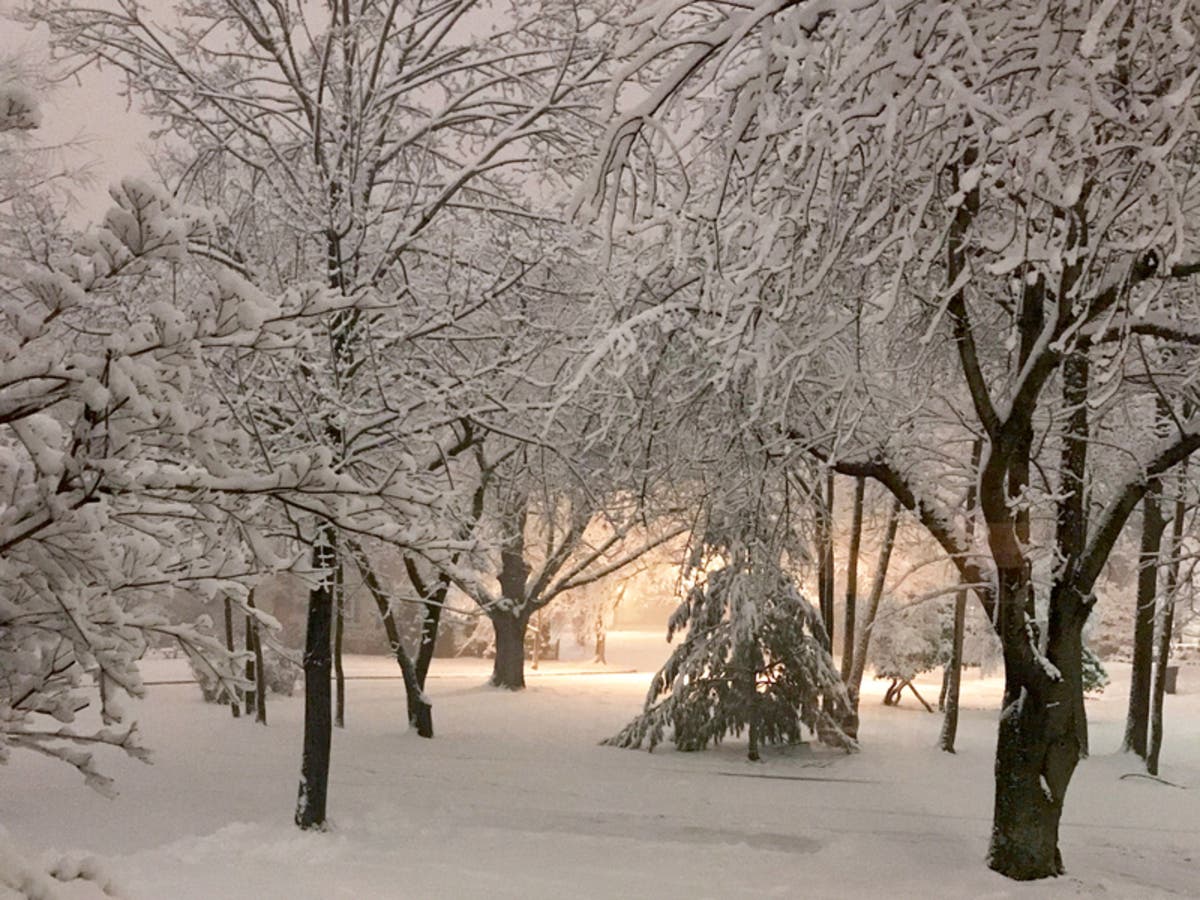
Image via Shuttershock