Community Corner
Greenwich Now Offering Discounted Radon Testing Kits
Greenwich is offering discounted radon testing for well water and air from now through February. Here's how to get a test kit.


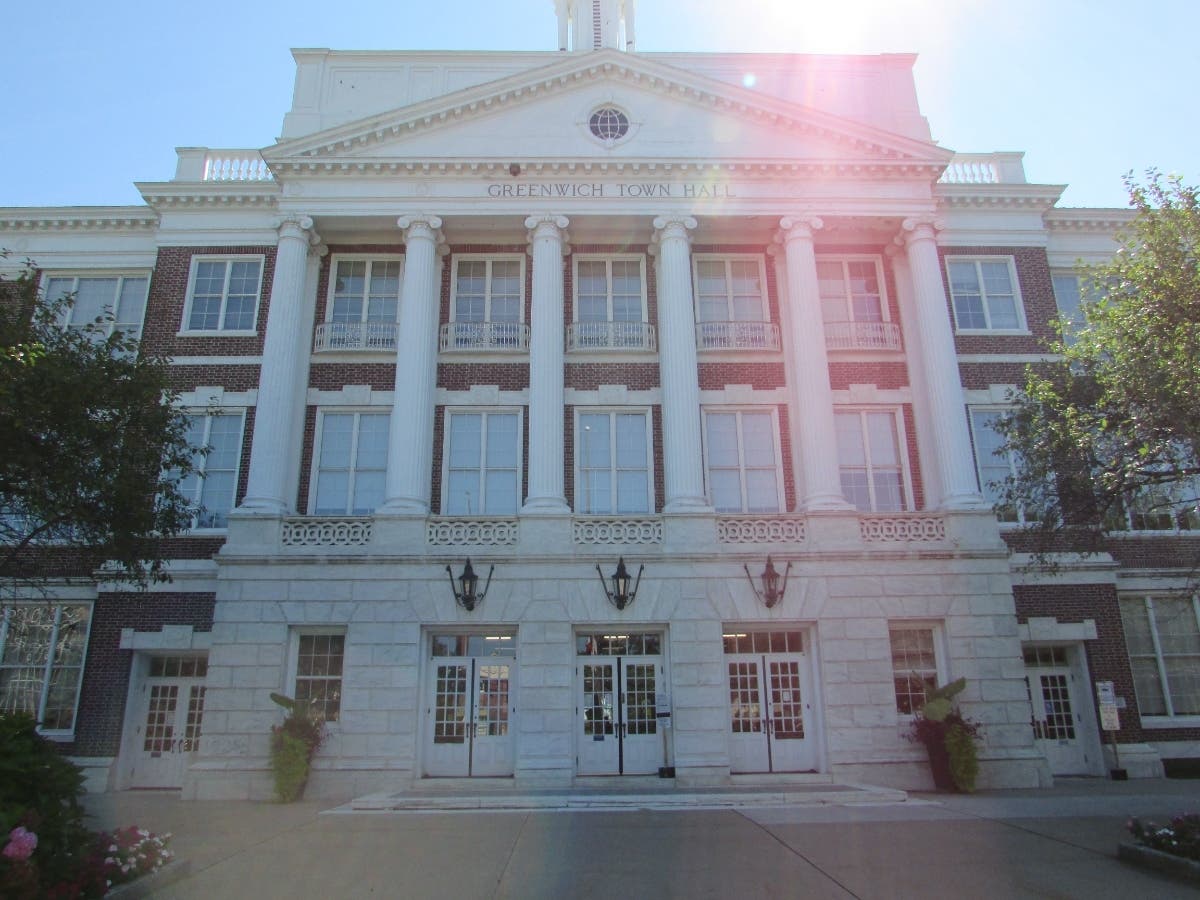
GREENWICH, CT — The month of January has been designated as Radon Action Month by the United States Environmental Protection Agency (U.S. EPA), and discounted radon testing for both well water and air is available in Greenwich from now through February.
Radon testing kits for air and well water may be obtained from the Greenwich Health Department’s laboratory located on the ground floor of Town Hall during laboratory hours, Monday through Friday from 8 a.m. to 3 p.m. Residents can call the Department of Health Laboratory at 203-622-7843 for details.
A reduced fee of $46 will be charged for radon-in-air testing (compared with a regular fee of $71 per test).
Find out what's happening in Greenwichfor free with the latest updates from Patch.
Radon in-air testing should be performed in the home the same day and the the kit should be returned to the lab four days later, with results being reported by email or regular mail, the town said in a news release.
A reduced fee of $52 will be charged for radon testing of well water (compared with a regular fee of $82 per test) and customers will be notified of their results within a week of returning samples to the lab.
Find out what's happening in Greenwichfor free with the latest updates from Patch.
Households will be limited to one reduced-fee air test per household per visit. Customers with elevated radon levels in air and/or well water will be referred to a list of state-certified radon mitigation companies.
Radon is the second leading cause of lung cancer in the U.S. after smoking, and it is the leading cause of lung cancer among non-smokers, the Greenwich Department of Health said in a news release, noting that radon is estimated to be responsible for more than 21,000 deaths from lung cancer in the US each year.
About 2,900 of these deaths occur among people who have never smoked, the health department said. Smokers exposed to radon have a much higher risk for developing lung cancer than smokers who are not exposed.
Radon is a naturally occurring, invisible, odorless, radioactive gas that is normally harmlessly dispersed in outdoor air but can reach harmful levels when it enters and gets trapped in buildings, particularly in the winter months when homes and other buildings are closed up.
Radon comes from the ground and can enter a home through small cracks and other openings in the foundation. Dissolved radon can occur naturally in groundwater and may be aerosolized into the air within a home serviced by well water when running faucets, showers, dishwashers or a washing machine.
The discounted air/well water testing in Greenwich is made possible in part by a state grant.
"We are pleased to offer a complete radon testing program to Greenwich residents. This program demonstrates the department’s commitment to protect residents from a serious public health hazard. All residents are encouraged to test their homes for radon in both well water and air this winter," said Greenwich Director of Health Caroline Calderone Baisley in a news release. "Testing homes for elevated levels of radon is simple and inexpensive even when the reduced-fee testing program is no longer available."
Michael Long, Director of the Division of Environmental Services Laboratory in Greenwich, said people tend to downplay the dangers of radon.
"Over 10 years of radon testing, half of the homes tested in Greenwich had a radon in air level above the EPA action limit of 4.0 pCi/L. Radon, if discovered, can be remediated by qualified contractors inexpensively," Long said in a news release. "The addition of testing well water for radon adds one more important diagnostic tool to identify another potential source of radon being released into the air."
Get more local news delivered straight to your inbox. Sign up for free Patch newsletters and alerts.