Community Corner
How The Raffles At Greenwich's St. Roch Feast Were Saved
The popular and successful raffles at the St. Roch Feast were in jeopardy this year until changes were made to a murky state law.


GREENWICH, CT — The St. Roch feast is one of the most highly-anticipated events in Greenwich each summer, as people flock to St. Roch's Church on the west side of town to enjoy rides, games, live music and delicious food offerings like sausage and peppers, and of course, the famous pizza fritta.
But other main attractions are the raffles the feast puts on which benefit St. Roch, and other parishes across the state and even the country. This year's event runs from Aug. 9 through Aug. 12.
Last year, a little over $1 million was raised between the two raffles, with funds going to help the needy and various social services in other churches.
Find out what's happening in Greenwichfor free with the latest updates from Patch.
Raffle winners have the chance to take home American Express or Visa Gift cards ranging in value from $1,000 up to $30,000.
But because of an antiquated, murky state law regarding raffles and bazaars, the raffles at the feast were at risk of ending this year.
Find out what's happening in Greenwichfor free with the latest updates from Patch.
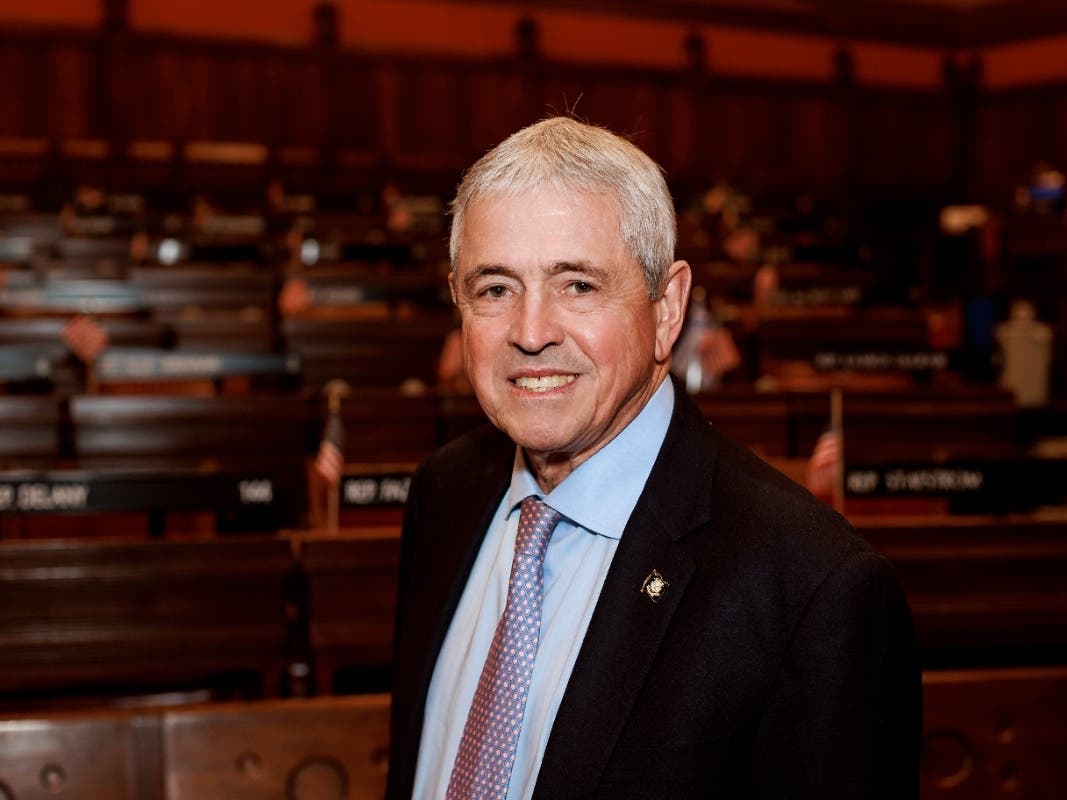
However, thanks to action by feast organizers, state Sen. Ryan Fazio (R-36) and bipartisan cooperation at the state level, the law was amended and the raffles will continue for years to come.
About six or seven years ago, feast organizer Paul Cappiali was one of a few volunteers who would set up tables outside of grocery stores to sell raffle tickets, but manpower was becoming an issue.
One year, Cappiali was going to collaborate with a church in Fairfield on selling raffle tickets. He applied for a raffle permit, but he noticed there might be a conflict in the state law on raffles and bazaars. He reached out to the Department of Consumer Protection.
Under the law at the time, only the sponsoring organization's qualified members could promote, operate, conduct, or work at raffles, and obviously, other churches were not members of St. Roch Church, Cappiali explained.
"The explanation I gave to [DCP] was St. Roch Church does not have a 501(c)3, and you would not give us a permit to have a raffle if we didn't, and we don't," Cappiali said. He argued that the Council of Bishops in Washington, D.C., which all Roman Catholic churches in the U.S. are subordinate to, had a 501(c)3, and was, therefore, the sponsoring organization for the raffle.
CT-DCP said they found no flaw in Cappiali's argument.
"That's how we started off on doing this multiple parish raffle," Cappiali said. "But it was still a gray area. Another regulatory official may have interpreted it differently, and they could have shut us down any year. So every year it was, 'I wonder if we'll be able to do it again this year.'"
The multiple parish raffle became a big success.
"We had a golden goose at this point, and other parishes across the country started sending me thoughtful letters on how much they appreciated allowing them to be involved," Cappiali said, noting many of them didn't have the resources or manpower to hold raffles of their own, similar to the scenario St. Roch was in several years ago.
"As it got bigger, and there were so many other churches relying on it, I got worried about the potential of the antiquated way in which the law was written, the changes in the law over the years that conflicted with itself, and the fact that anyone at the regulatory level would interpret this a different way," Cappiali added. "I needed to protect what we had and protect all these other charitable organizations across the country and the state."
Not only could different charities technically not work together on raffles or bazaars, but the law prohibited any type of payment, compensation, commission, reward or salary to anyone holding, operating, or conducting raffles or otherwise helping with bazaar or raffle activities.
In practice, that had been interpreted narrowly to prohibit compensating people for selling raffle tickets.
Additionally, there was a prohibition against awarding prizes that are transferable, and the term "gift cards" was not specified among accepted prizes, but coupons and gift certificates were.
Cappiali reached out to Fazio, who was ready and willing to help.
"The [St. Roch] raffle technically ran against the plain letter of the law. I had reached out to DCP who regulates this to check if they agreed. They didn't necessarily disagree, but they also said they didn't enforce it," Fazio said.
Fazio noted that the church and other nonprofit leaders around Greenwich and the area said they didn't feel comfortable learning about the law, and if they already knew about it, they were hesitant about holding raffles or bazaars to raise money for their charities in Connecticut.
Organizations were holding their raffles in New York as a result.
"I went through the law and tried to figure out how to change it to make these charitable raffles and bazaars on the up and up in a reasonable way," Fazio said.
About 10 people who are involved in nonprofits around the state and the Greenwich area appeared before the General Law Committee to advocate for the amendments this past legislative session.
Fazio worked across the aisle with state Sen. James Maroney (D-Milford) to get the new bill passed. It was tucked into CT Attorney General William Tong's bill, SB1058, An Act Concerning The Attorney General's Recommendations Regarding Consumer Protection and Financial Reporting By Charitable Organizations.
The new bill now allows a charity, one 501(c)3, to be the lead but have other 501(c)3s collaborating, and it narrows the prohibition on payment to apply only to the direct sale of raffle tickets.
The bill specifies that bazaar and raffle prizes may include gift cards. It also eliminates the prohibition against awarding prizes that are transferable but retains the old law’s requirement that the prizes not be refundable.
Also, under the old law, any town in which a raffle was being conducted must have adopted the Bazaar and Raffles Act. Now, the bill deems every town, city, and borough to have adopted the Act and instead provides an opt-out process.
"Beforehand, these raffles and bazaars were basically impossible to do by charities, and now under the new state law, it'll all be I think on the up and up," Fazio said.
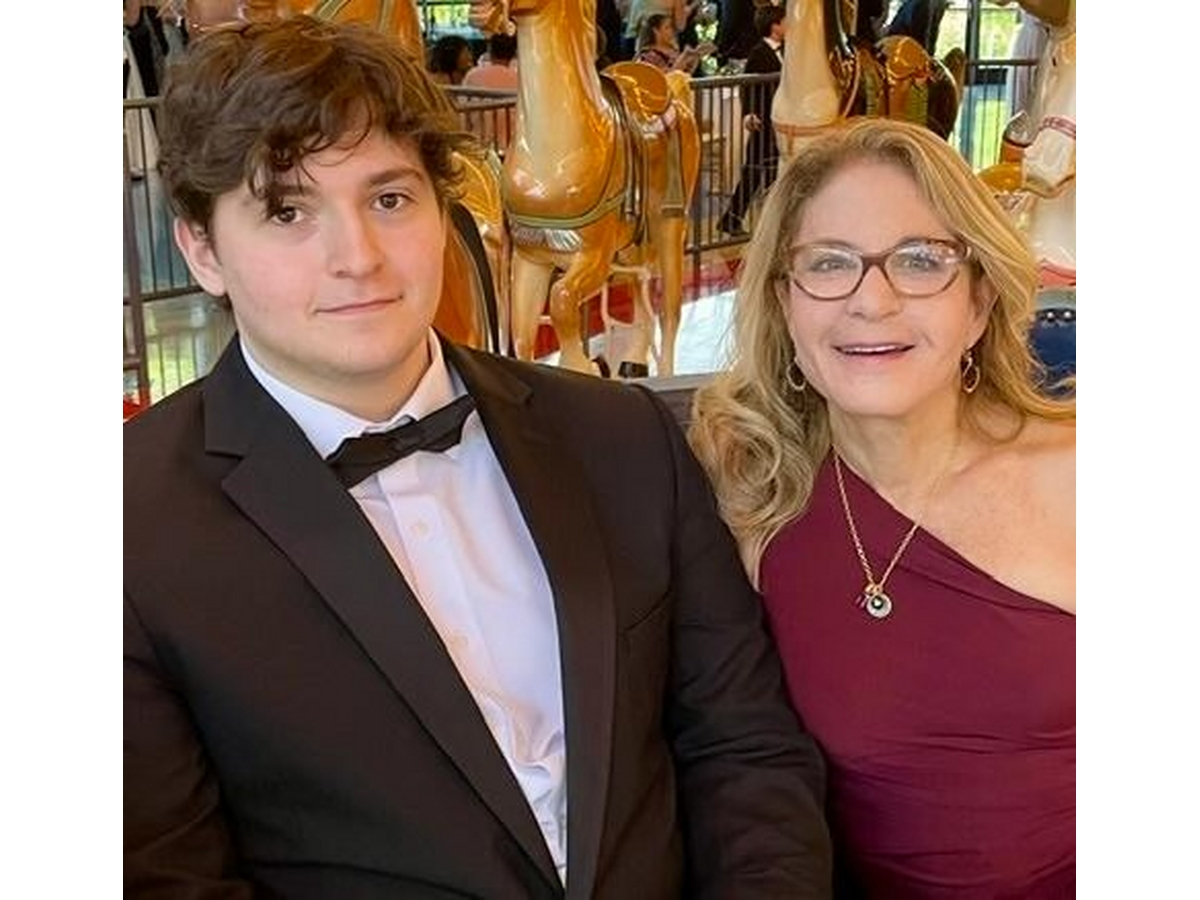
Cappiali said he was grateful for the work Fazio and others put in.
"When I first asked him about it, I felt a bit selfish because I knew it was related to just me and my church," Cappiali said, adding that Fazio put him at ease rather quickly.
"He said, 'Paul, this is exactly what I do. You're a charity organization trying to raise money for social services in the state of Connecticut to help the people that need the most help, and you're asking me to make it easier for you to continue to do that,'" Cappiali said. "So he went ahead and did it, and he secured for me the confidence to broaden the charity and continue to help more charities, more churches across the country, and be confident the rug isn't going to get pulled out from under me."
Fazio spoke of the importance of the event for scores of people.
"I love this feast, I volunteer at this feast because I enjoy it," Fazio said. "When the parish called and said they were in need it was the right thing for us to do in the legislature to act and save the raffle, and save all the important funding it brings to such a great cause."
The raffle drawing at St. Roch Feast is scheduled for 11 p.m. on Aug. 12.
Get more local news delivered straight to your inbox. Sign up for free Patch newsletters and alerts.