Health & Fitness
Red Flags You Noticed During Your Thanksgiving Visit with Family
While visiting with seniors and people with special needs over Thanksgiving you may have noticed some areas of concern.

Hopefully you and your family had a safe and enjoyable Thanksgiving yesterday.
All too often while visiting with a senior or person with special needs, we notice changes since our last visit. These changes may seem minor, but you’re not sure.
In most cases you just observed and didn’t say anything, but your mind keeps wondering back to the question, “How do I know if they are really safe, or if some help is needed?
Find out what's happening in Greenwichfor free with the latest updates from Patch.
DID YOU NOTICE A CHANGE IN THE PERSON
• Walking, climb stairs, and remaining standing
Find out what's happening in Greenwichfor free with the latest updates from Patch.
• Ability to rise from a chair
• Eyesight
• Hearing
• Pain or discomfort level
• Anxiety or depression
• Confusion or disorientation
• Weight and appetite
• Appearance and hygiene
• Organization (e.g. piles of bills and unopened mail)
• Cleanliness of the home
• Condition and maintenance of the home
In my personal and professional experience, I’ve learned that if there is something that doesn’t seem quite right, the situation needs further inspection.
A CLOSER LOOK MAY BE HELPFUL
Sometimes, especially when caregivers are separated by great distance from their relatives or for those with busy lives, it helps to have someone to whom you can turn who can help evaluate and arrange for the relative’s care and well-being. Certified Case Managers (CCMs) are becoming an increasingly popular solution to the challenges faced by seniors, people with special needs, caregivers, family members, and professional providers alike.
Certified case managers are specialists who assist clients and their families in planning for and implementing ways to allow for the greatest degree of independence, safety and quality of life.
CCMs meet with clients and family members to assess their needs, develop a Care Team, and work with members of the Team to formulate a comprehensive Care Plan.
Once a plan is in place, CCMs serve as the point person to monitor and coordinate services, and revise the plan as needed. The CCMs’ role is similar to the conductor of an orchestra; ensuring that there is good communication, teamwork, and that everyone remains focused on the desired goal.
CCMs provide a wide range of services including:
• Assessments
• Care plan development
• Crisis intervention
• Family counseling and mediation
• Case management
• Advocacy
• Housing management
• Guidance, and support
• Referrals and placements
• Much much more
WHO MAY BENEFIT FROM A CERTIFIED CASE MANAGER
Seniors, people with special needs, caregivers, or professionals who are feeling uncertain as to what to do, are increasingly using the services of CCMs to assess and implement plans that address a client’s day to day needs. CCMs provide a consistent contact for family members, and they can do everything from creating an overall care plan to intervening in case of a crisis or emergency.
Attorneys also sometimes rely on CCMs to evaluate a client’s situation in their home, a nursing home or assisted living facility. Trust officers or other financial planners also use CCMs to create workable, cost - effective plans of care, and doctors or other health care professionals often rely on CCMs as intermediaries between a patient and the health care system.
PAYING FOR A CERTIFIED CASE MANAGER
CCMs bill their clients privately on a fee-for-service basis. The services provided by CCMs are not covered by Medicare or Medicaid, but some long term care and private insurance policies may cover the cost. Check with your policy to find out if it covers this kind of service.
Even if you have to pay for a CCMs services out-of-pocket, the work they provide in arranging for cost effective care - and easing the worries for seniors, people with special needs and their loved ones - can make the initial costs well worth it.
FINDING A CERTIFIED CASE MANAGER
When looking for a CCM, you’ll want to interview several in the community, so that you can find the one that best suits the client’s needs.
During these interviews, ask about their background, available services, qualifications and areas of expertise. Also look for someone who you can get along with; after all, this person will be someone you’ll be working with closely over the next several weeks, months or even years. Make sure to check references and their professional reputation.
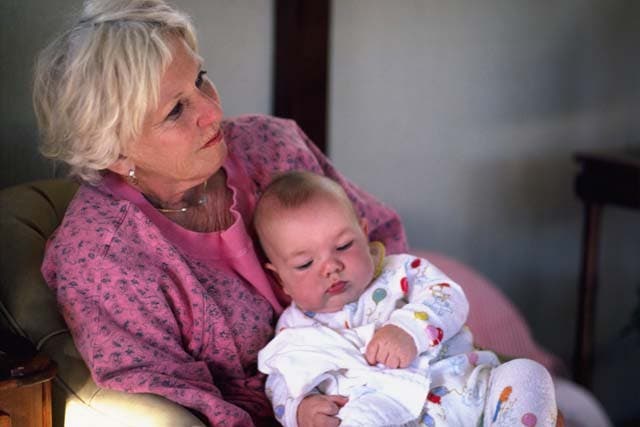
Photo from the Printshop
The information in this article is provided as an information resource only, and is not to be used or relied on for any diagnostic or treatment purposes. This information is not intended to be patient education, does not create any patient provider relationship, and should not be used as a substitute for professional diagnosis and treatment.
Please consult your health care provider for an appointment, before making any healthcare decisions or for guidance about a specific medical condition.
____________________________________________________________________________
Linda Ziac is the owner and founder of The Caregiver Resource Center. Linda founded her company in October 1990, and provides concierge case management and advocacy services for seniors, people with special needs and families.
Linda’s professional career spans 39 years in the health and mental health field as a CT Licensed Professional Counselor, CT Licensed Alcohol and Drug Counselor, Board Certified Case Manager, and Board Certified Dementia Practitioner.
Linda’s role is to work with the client, their family and healthcare professionals to help assess, plan for and implement ways to allow for their greatest degree of health, safety, independence, and quality of life. We are often asked to help when a person is taken to the ER, is in the hospital, or there is a need to help assess and implement a plan to address a person’s day to day needs.
This process involves identifying a client’s abilities and needs, and helping to design a care plan (road map) that is composed of a spectrum of services, that best meets the unique needs of that particular client. A client and their family select the services that they want, and they only pay for those services.