Home & Garden
West Nile Virus Found in Guilford Mosquitoes
The Connecticut Agricultural Experiment Station tested the mosquitoes that were trapped in late July.


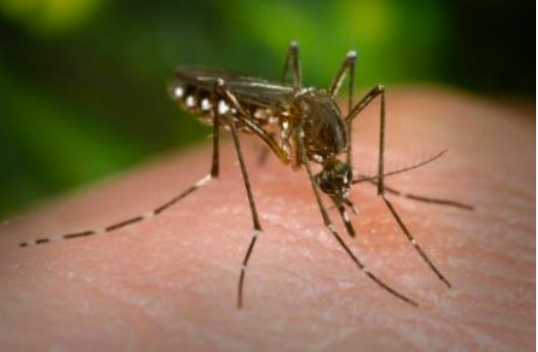
The State Mosquito Management Program has announced that mosquitoes trapped last week in Guilford have tested positive for West Nile virus (WNV).
The mosquitoes were trapped at Moose Hill Road trapping station on July 23 and were among three batches that tested positive at the Connecticut Agricultural Experiment Station (CAES). Mosquitoes caught in Stamford’s Cove Island Park and New Haven’s Beaver Pond Park also tested positive.
To monitor WNV, the CAES maintains a network of trapping stations in municipalities throughout the state of Connecticut from June through October. Mosquito traps are set by the CAES every 10 days at each site on a rotating basis. Mosquitoes are grouped (pooled) for testing according to species, collection site, and date.
Find out what's happening in Guilfordfor free with the latest updates from Patch.
Most people who are infected with WNV and become ill, will have a mild illness that may include fever, headache, body aches, nausea, vomiting, or a skin rash. Less frequently, people develop severe illness of the nervous system that can also include neck stiffness, disorientation, loss of consciousness, tremors, muscle weakness, and paralysis. Persons older than 50 years of age are more likely than younger persons to suffer the more severe health consequences if they become infected with WNV.
Precautions to avoid mosquito bites include:
Find out what's happening in Guilfordfor free with the latest updates from Patch.
• Minimize time outdoors at dusk and dawn.
• Be sure door and window screens are tight fitting and in good repair.
• Wear shoes, socks, long pants, and long-sleeved shirts. Clothing material should be tightly woven.
• Use mosquito netting when sleeping outdoors.
• Consider using mosquito repellent when it is necessary to be outdoors. Always use according to label instructions. The most effective repellents contain DEET or Picaridin.
• When using DEET, use the lowest concentration effective for the time spent outdoors (for example, 6% lasts approximately two hours and 20% for four hours) and wash treated skin when returning indoors. Do not apply under clothing, to wounds or irritated skin, the hands of children, or to infants less than two months old.
Measures to reduce mosquitoes around the home include:
• Dispose of water-holding containers, such as ceramic pots, used tires, and tire swings.
• Drill holes in the bottom of containers such as those used for recycling.
• Clean clogged roof gutters.
• Turn over objects that may trap water when not in use such as wading pools and
wheelbarrows.
• Change water in birdbaths on a weekly basis.
• Clean and chlorinate swimming pools, and when not in use, use pool covers and drain
when necessary.
• Use landscaping to eliminate areas where water can collect on your property.
Additional resources for information on West Nile virus and mosquito management:
• The Department of Public Health website at www.ct.gov/dph
• The Connecticut Agricultural Experiment Station Web site at www.ct.gov/caes
• The Centers for Disease Control and Prevention website at www.cdc.gov/westnile
Get more local news delivered straight to your inbox. Sign up for free Patch newsletters and alerts.