Schools
John A. Speziale Alternative Dispute Resolution Symposium
Quinnipiac University School of Law to host 13th John A. Speziale Alternative Dispute Resolution Symposium


Press release
NORTH HAVEN, Conn. – Quinnipiac University’s School of Law will host the 13th John A. Speziale Alternative Dispute Resolution Symposium, “Restorative Justice and Juvenile Justice” from 8:30 a.m.-3:30 p.m. on Friday, Nov. 22.
The event, which is free and open to the public, will take place at the law school on the North Haven Campus, 370 Bassett Road.
Find out what's happening in Hamdenfor free with the latest updates from Patch.
The symposium will bring together people who work both with at-risk youth who commit harm and with community stakeholders, to better collaborate to reduce recidivism and the “school-to-prison” pipeline by using restorative practices. To date, there has been limited collaboration and coordination between these systems.
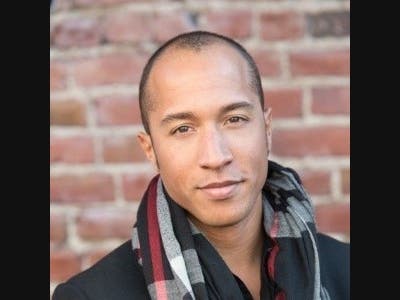
Robert "Roman" Haferd, restorative justice coordinator for the Office of the Attorney General of the District of Columbia, will be the keynote speaker.
Find out what's happening in Hamdenfor free with the latest updates from Patch.
The symposium will focus on what is happening in Connecticut, as well as nationally and internationally, using restorative justice processes to transform youth justice systems and make communities safer and more connected.
“The Connecticut juvenile justice system is failing Connecticut's youth,” said Charles Pillsbury, distinguished practitioner in residence for dispute resolution at Quinnipiac. “The institutions that deal with our young people – the schools, the courts, police departments, municipalities and the General Assembly – are not collaborating with each other. Kids do dumb things, including some that hurt others.
“We all know that juvenile brains are still evolving. Restorative justice offers these institutions tools to help both victims and offenders,” Pillsbury continued. “Restorative processes offer ways to help young people learn from their mistakes instead of just punishing them for mindless offenses.”
The event also will feature panel sessions throughout the day, including discussions about restorative justice in schools, youth service boards, juvenile review boards and the juvenile justice system.
The biennial symposia, co-sponsored by the Connecticut Bar Foundation, are named for the late Connecticut Supreme Court Justice John A. Speziale in recognition of his work in the field.