Health & Fitness
New Figures Released on Number of Zika Cases in Connecticut
The patients suffering from the virus traveled to several countries, mostly to the Dominican Republic.


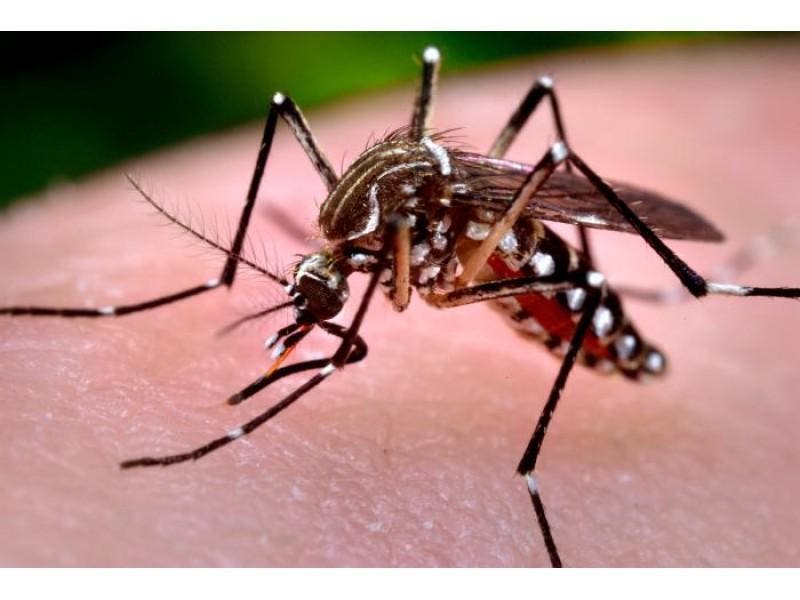
Hartford, CT - A total of 25 people in Connecticut have tested positive for Zika virus as of today, July 7, three of whom are pregnant women, according to state Department of Public Health Commissioner Dr. Raul Pino.
Additionally, 12 patients have tested positive for Flavivirus, including 8 pregnant women. Testing positive for Flavivirus means the patient could have contracted Zika or another related virus, like Dengue fever, but the test was inconclusive for the specific virus.
Those 37 patients who have tested positive for these viruses have travelled to 12 countries or U.S. territories; most frequently they travelled to the Dominican Republic (17), Puerto Rico (5) and Haiti (4), Dr. Pino added.
Find out what's happening in Greater Hartfordfor free with the latest updates from Patch.
“Today’s results are another reminder to Connecticut residents travelling not just to the Dominican Republic, but to any Caribbean island or areas in Central or South America, that Zika virus remains a serious health threat, especially for pregnant women,” said Dr. Pino in a statement. “We continue to urge pregnant women, women who are trying to conceive and their male partners to avoid travelling to Zika-affected areas. If travel is unavoidable, please follow all precautions to reduce the risk of infection, both during and after your trip.”
Find out what's happening in Greater Hartfordfor free with the latest updates from Patch.
Connecticut issued a travel advisory to residents in early May, advising them to be careful if they travel to Puerto Rico or other nearby countries that have been affected by Zika. In addition, the state has received $320,564 in federal emergency preparedness funding from the Centers for Disease Control and Prevention (CDC) to address the Zika virus in Connecticut.
“It is critical to remember that the vast majority of people infected with Zika never show symptoms of the virus. Therefore, it is important for pregnant women who travel to a Zika-affected area to consult with their physician when they return, and equally important for their male partners and the male partners of women who would like to conceive to follow guidelines for sexual activity whether they exhibit symptoms or not,” said Pino.
The CDC funds will be used to continue implementing the state’s Zika Surveillance & Response Plan, which was drafted at the request of Governor Dannel Malloy in January to deal with the threat of Zika virus. Funding will also be used to track Zika-positive pregnant women and their babies to monitor for microcephaly, other serious birth defects and adverse pregnancy outcomes linked to Zika.
Also from Dr. Pino's announcement:
According to CDC guidelines, pregnant women and their male partners who have travelled to a Zika-affected area should either abstain or consistently use condoms for the duration of the pregnancy. Women who would like to conceive should wait at least eight weeks from either the onset of Zika symptoms or the date of last possible exposure, if asymptomatic. The male partners of women who would like to conceive must wait at least six months before trying to conceive if they have symptoms of the virus, or eight weeks after last possible Zika exposure, if they show no symptoms.
Get more local news delivered straight to your inbox. Sign up for free Patch newsletters and alerts.