Neighbor News
You may be eligible for weight loss surgery based on new guidelines
New guidelines released by two groups of bariatric surgeons make millions more Americans eligible for weight loss surgery.
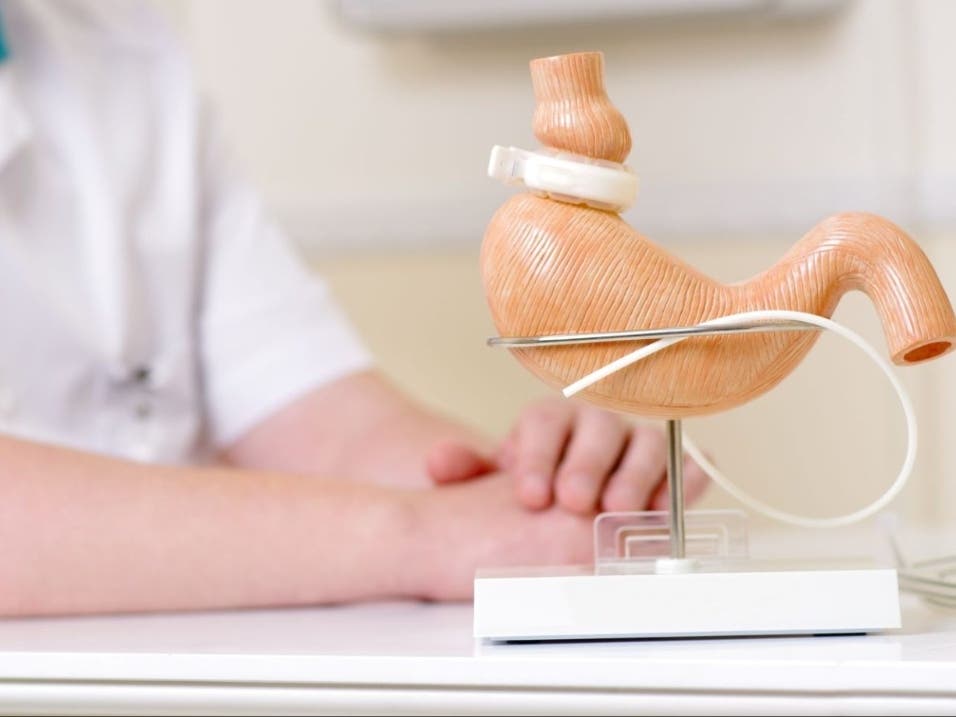
New guidelines released by two groups of bariatric surgeons make millions more Americans eligible for weight loss surgery.
The guidelines, which haven’t been updated since 1991,don’t take into account the work done by surgeons to elevate the procedure to minimally-invasive and low-risk, usually requiring just one night in the hospital, said Pavlos Papasavas, MD, co-director of bariatric surgery at Hartford Hospital, who helped author the guidelines. Deaths associated with bariatric surgery have dropped dramatically over the years – from about three per 100 patients to about one in 1,000.
“We know that bariatric surgery is a safe, effective treatment for the chronic debilitating disease called obesity,” said Dr. Papasavas. “We know that bariatric patients live longer and have a lower risk of developing certain types of cancer.”
Find out what's happening in Greater Hartfordfor free with the latest updates from Patch.
Based on BMI
Approval for bariatric surgery is based on a person’s body mass index (BMI), which is calculated based on weight and height.
Find out what's happening in Greater Hartfordfor free with the latest updates from Patch.
The former guidelines stated that anyone with a BMI over 40, or between 35 and 40 with a coexisting medical problem, could be considered for bariatric surgery.
The new guidelines expand eligibility to:
- People with BMI over 35 regardless of any other medical problems.
- People whose BMI is between 30 and 35 with a coexisting medical issue – including diabetes, which was previously excluded.
- People of Asian descent with a BMI of 27.5, because they often have weight-related health problems starting at a lower body mass.
- Children and adolescents struggling with severe obesity.
“The new guidelines also address factors such as age for patients over 70 because the surgery is very safe,” Dr. Papasavas said.
To learn more, go here.