Health & Fitness
Believable Lies Part 2: "I own this place!"
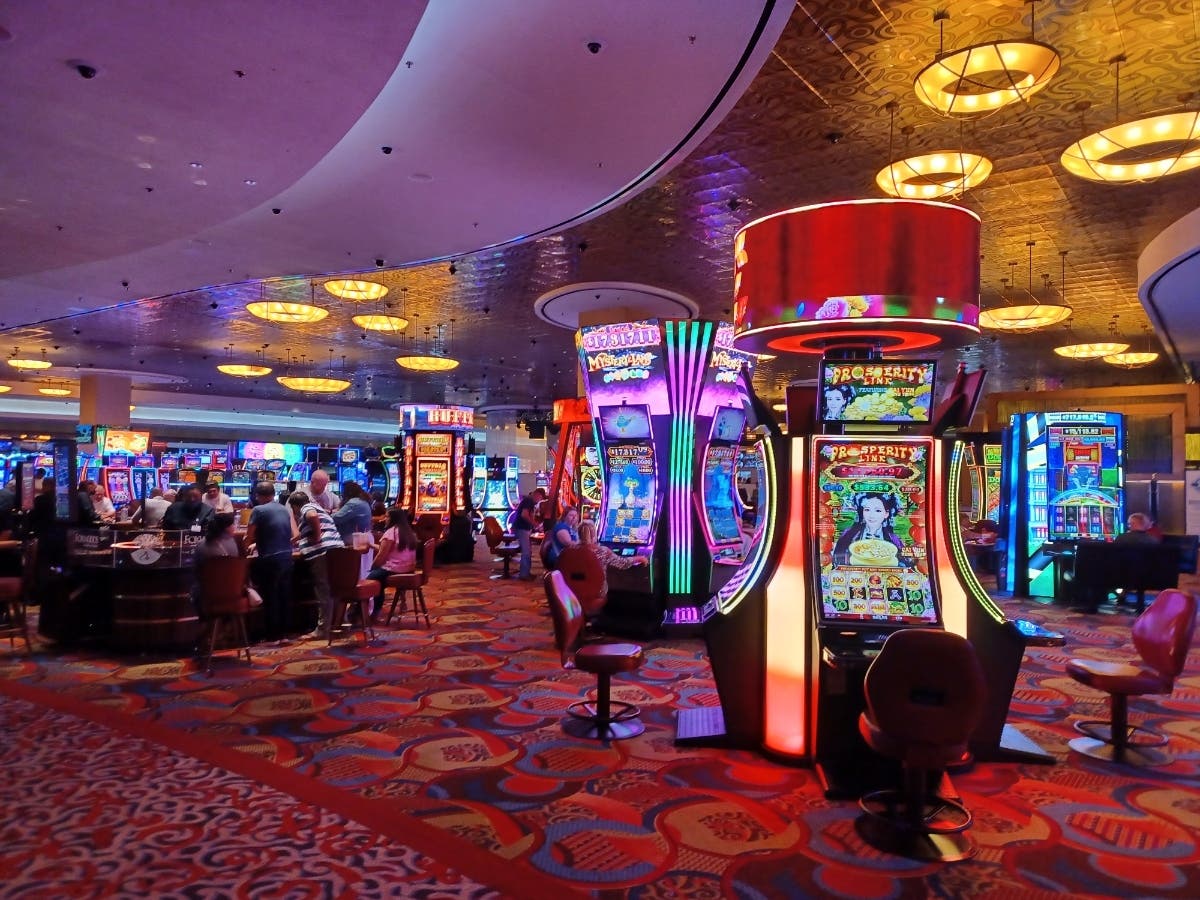
"You own Foxwoods" was something I heard often over the years. But this made me uncomfortable because, deep within my conscience, I just knew something was very wrong with it.
A few years ago we took our boys to the casino theater for a concert featuring one of the past American Idol winners. It was their first concert, so we planned a fun night out together as a family.
I was able to arrange in advance for backstage passes to meet the performers, but there was just one minor problem. I completely forgot to arrive early to the theater for the meet-and-greet. Access denied! Oh well. As we took our seats, I explained everything apologetically to our boys. That's when another tribal member seated in front of me overheard what I said, whirled around in his seat and looked me straight in the eyes.
“Listen! You go right over there to that security guard and tell them to let you back stage right now. You’re a tribal member, and you OWN this place!”
Find out what's happening in Ledyardfor free with the latest updates from Patch.
I cringed a little, but politely smiled.
Truth is, I’ve always been uncomfortable with the statement “You own this place”, or whenever someone affirmed to me “you’re an owner here”, which happened fairly often over the years.
Find out what's happening in Ledyardfor free with the latest updates from Patch.
These concepts made me very uncomfortable because, deep within my conscience, I just knew something was wrong with it.
What’s wrong with believing you own it all?
Lets begin with common-sense basics. If I own something, I have the freedom to maintain it, sell it or give it away. If this reasoning is applied to a tribal member's "ownership" of a casino, the question must be asked: can you sell it? No, you can’t. Therefore, you do not own it. And believe me, you really don’t want to.
There’s a Biblical Proverb that states: A borrower is servant to the lender (Proverbs 22:7). This simply means that, if you’re in a lot of debt, you are no longer free but in bondage to something that now has control over you. Practically speaking, if your debt exceeds your ability to manage the thing you profess to own, you do not really own that thing. That thing now owns you. And when we are in this type of predicament, we become enslaved to the limitations dictated by the lenders from whom we borrowed.
With our tribe’s recent debt restructuring of $2.3 billion dollars down to $1.7 billion dollars, that’s a lot of heat to place on one or more “owners”. If each individual tribal member truly owned that business enterprise, each would be responsible for paying off that debt. Divided equally among about a thousand enrolled members, this would equate to $1.7 million dollars owed per person.
So if you are truly an owner, how would you like to pay: cash, check or charge?
Where did we get the idea we were “owners”, anyway?
In our tribe, the ideology of "I own this place" originates from an entitlement attitude. While there are many reasons why entitlement attitudes develop, I'll focus on two that are very common.
Insecurity
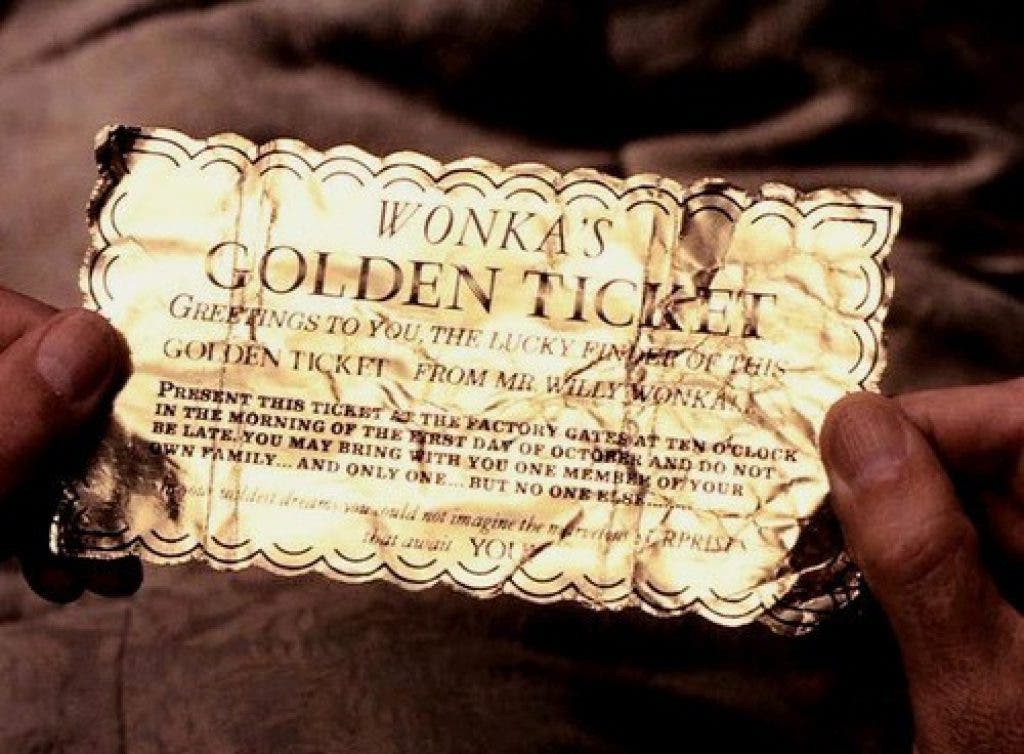
One reason for an entitlement attitude is low self-esteem. For survivors of poverty, neglect, racism and violence, there are many who feel they are owed something for what they had suffered. Perhaps they hunger for acceptance, respect, understanding, or a chance to prosper in some way. People who viewed the tribal casino as their golden ticket out of economic and social turmoil. For these, the casino became a way to silence the echoes of past abusive voices and prove to everyone they succeeded, against all odds.
I wasn’t supposed to make it but I did.
I own this place.
I matter. I’m important now.
I’m better than the stuff my enemies used to say about me.
Learned Behavior
If left unchecked, an entitlement attitude can be adopted by others through learned behavior. One way this happens is when our attitudes, actions and mindsets transfer to our children as being normal and acceptable.
How do you know if this happens? It’s pretty easy to tell. Kids begin to behave like rebellious spoiled brats. They may even run around confronting employees in oddly grotesque ways:
“I own this place!”
“You work for me!”
“You can’t tell me what to do!”
“I’ll have you fired!”
Granted, these represent the worst-case scenario.
So if we are not true “owners”, what are we supposed to be?
There are two essential roles we have as members of our community.
1. We are supposed to be stewards.
Stewardship is an authentic Native American virtue. Simply put: it’s the understanding that we do not inherit our land, community and resources from our ancestors, but instead borrow them from our children’s children.
Contrary to a self-centered entitlement attitude, people who embrace stewardship are selfless. It’s the realization that we must do what we can to not live our lives as self-absorbed masters of manipulation, using everyone and everything for our own personal gain at the expense and detriment of everyone else. Stewardship involves something far greater than anything any one of us can ever be. It’s about placing value on the wellness of the entire community rather than running rampant with a “what’s in it for me” attitude.
Stewardship requires a responsibility to exercise discipline and self-control, taking care of what we have and setting an example so that our next generations adopt the same values. And ultimately, it’s about trusting our Creator to meet our needs while we respect and acknowledge all He has given us or allowed us to do.
2. We are stakeholders.
Stakeholders are, in essence, dependents. Stakeholders are those who depend on a business enterprise or community although they have not extended their own personal investment for the startup of either of these. They are fortunate to be in the right place at the right time, and they know it. And unless ownership is legally transferred fully to stakeholders, they do not have the ability to fully act as owners.
Owners differ from stakeholders in several ways. Owners are those who pour out their own personal resources to create something of significance, such as a business enterprise. Owners are there from the very start. They are the ones who fight to make things happen creatively, with blood, sweat and tears along the way. Owners are those who start their enterprise, run it, control the resources, and choose who they wish to legally transfer their full ownership once they are gone.
In our tribe, there are seven elected people who have the ability to legally "act" temporarily as owners at any given time. It is a privilege given to our tribal council by our tribe’s constitution and bylaws. Tribal council has the ability to do whatever they want whenever they want with all of the tribe’s resources and revenues, as well as run the enterprise and tribal government for as long as they hold office.
But the rest of our tribal members are stakeholders, not owners. We are the ones who are dependent on the way the tribe and its resources are managed. We are the ones who have the most at stake.
It’s your turn: What are your thoughts on tribally “owned” casinos?
# # #
Lori Potter is an enrolled member of the Mashantucket Pequot Tribal Nation who blogs about the social and spiritual affects of casino gaming on tribal communities. For more information, visit www.loripotter.com and follow Lori on twitter @LoriPotter.