Community Corner
Best Beaches On LI Sound? East & West Wharf Both Get A+ Grades
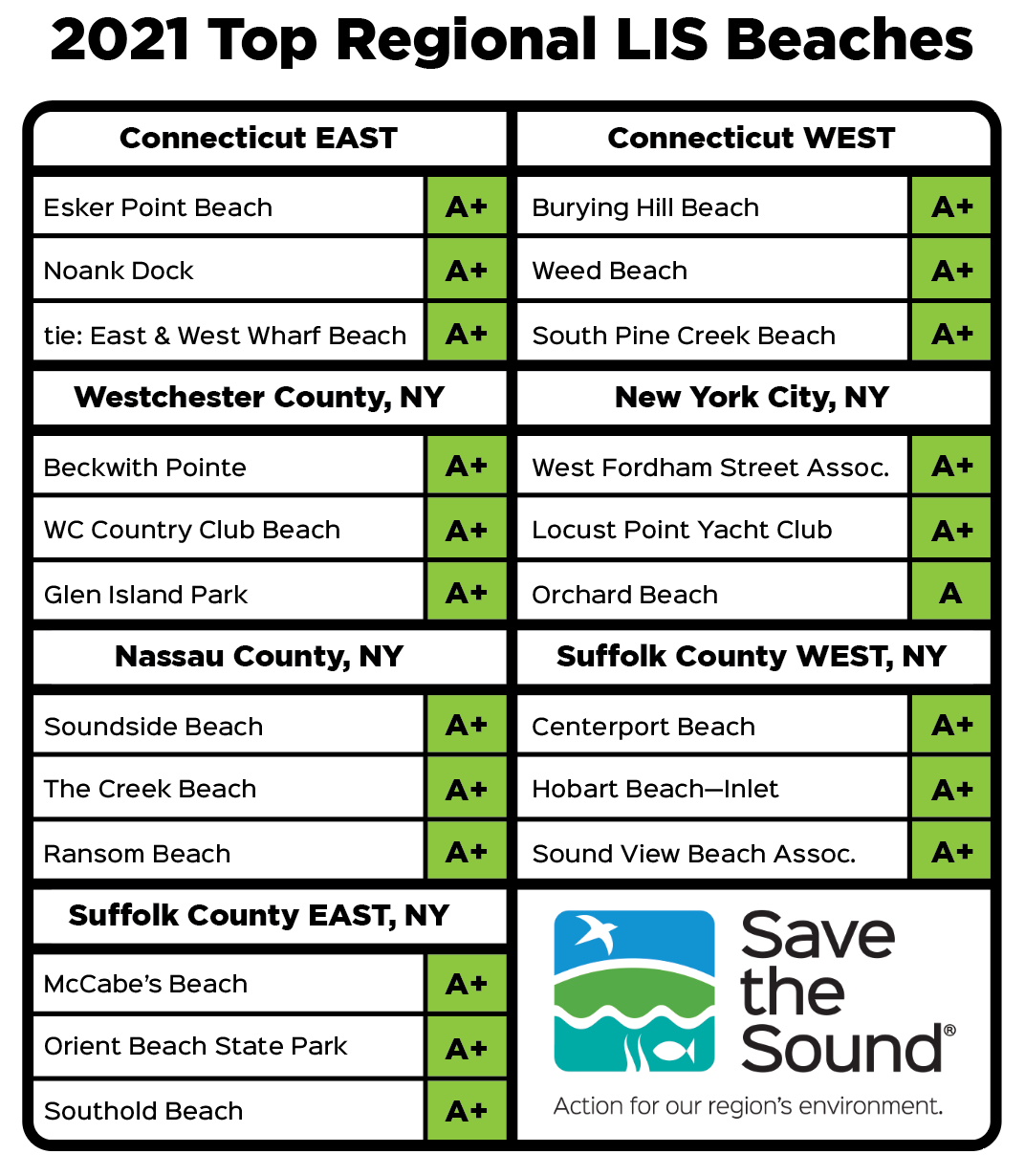
Actually, they both tied for an A+ top spot on Save The Sound's review of 200 beaches on the Sound, in CT & NY. Life's a beach, so enjoy!


MADISON, CT — Right on time for Memorial Day Weekend, the unofficial opening of summer beach season, Save the Sound has released its latest Beach Grades for more than 200 Long Island Sound beaches on Sound Health Explorer.
And, East and West Wharf beaches tied for a top spot with A+ grades.
Save the Sound created the beach grading system in consultation with scientists who study water quality in Long Island Sound, and it is fueled by local and regional health departments that collect fecal indicator bacteria samples during the swimming months. Fecal indicator bacteria concentration in water at a beach is used to determine whether the water is safe for people to swim in without getting ill. High counts of fecal indicator bacteria and associated pathogens in the water can make people sick, and can be associated with untreated sewage or abundant polluted stormwater entering the waters at or near a beach.
Find out what's happening in Madisonfor free with the latest updates from Patch.
Precipitation totals across the entire Long Island Sound watershed from May to August 2021 were the highest recorded on Sound Health Explorer, which displays seasonal rain totals, individual Beach Grades, and much more dating back to 2003.
“Our rainfall norms, and even outlier predictions, are being replaced by more frequent and higher intensity rainstorms associated with climate change,” said Peter Linderoth, director of water quality for Save the Sound. “This will have real implications on the health of our waters for people but also for the wildlife that inhabit them.”
Find out what's happening in Madisonfor free with the latest updates from Patch.
Rain often brings polluted stormwater to Long Island Sound beaches, which is reflected in their grades. The 2021 data, on which these latest grades are based, indicates a four percent increase in the frequency of wet weather failures over the previous year.
“If your favorite beach received a poor overall grade with associated poor wet weather marks, you need to look no further than the ground under your feet to shed some light on the problem,” said Linderoth. “Beaches in areas with higher coverages of surfaces impervious to water—like roads, parking lots, and roofs—tend to be impacted more by stormwater runoff than areas with less of these surfaces. This situation can be remedied, and Save the Sound strongly advocates and implements projects that offer nature-based solutions to this issue, like rain gardens to naturally treat stormwater runoff.”
Save the Sound encourages people to dive into those grades, and in many instances the waters they represent, for a clear picture of how their favorite beaches compare to others along the Long Island Sound shoreline.
Dry weather failures are often attributed to the same pollution source suspects as wet weather-related issues, but they generally occur closer to the beach in question. These sources include aging and failing sewer infrastructure or septic tanks, poor disposal of pet waste, and/or a concentrated abundance of wildlife, such as geese or deer.
Save the Sound uses these Beach Grades to provide information to the public and to target areas in need of fecal contamination reduction. Ten Sound beaches received grades of D or lower for 2021. We encourage residents to discuss their local grades with their elected officials, health departments, or other municipal personnel. Residents are also welcome to contact Save the Sound if you have any questions, comments, or leads on where fecal contamination may be stemming from at any given beach.
Get more local news delivered straight to your inbox. Sign up for free Patch newsletters and alerts.