Politics & Government
Madison Considers New Regulations Concerning How Many Chickens You Can Own
A resident has filed an application seeking to own 100 chickens per acre, which drew concerns from officials about chicken waste.


The Madison Planning and Zoning Board is likely to create new regulations and or definition concerning the amount of livestock, especially chickens, allowed on residential properties.
The reason for the change is that someone has filed an application with the town seeking to own 100 chickens per acre be allowed on five acres or more in town.
Planning and Zoning Commissioners expressed concern over the issue of chicken waste, according to meeting minutes. Concerns over the odor of the manure as 500 chickens would create a half ton of manure, were expressed by town officials.
Find out what's happening in Madisonfor free with the latest updates from Patch.
Currently, the town’s Planning and Zoning Regulations have been interpreted by land use officials as not allowing more than 10 chickens, even on five acres or more. Zoning officials plans to further research the issue, according to meeting minutes.
History of Chicken Regulations
Find out what's happening in Madisonfor free with the latest updates from Patch.
Zoning Enforcement Officer John De Laura stated that Town Planner David Anderson has done a great job on researching the history of chicken regulations in Madison.
Presented to the Planning and Zoning Commission for review was a four-page document created by Anderson, which researched the history of zoning regulations regarding chickens that went as far back as Feb. 28, 1970 to June 15, 2001 and included current regulations.
The history described permitted uses in residential districts, a definition of agriculture or farming, permitted uses, as of right, and a few different interpretations of the current regulations.
Current zoning regulations for livestocks
Under current regulations, Anderson’s document stated that on any lot of 80,000 square feet or more, sheep, goats, pigs, deer, members of the equine or bovine species, livestock, or other animals are permitted, provided any building or enclosure used to house them is located not less than 100 feet from any street or property line.
In addition, the regulations state that on any approved lot, dogs, domestic cats, and not more than 10 chickens or other poultry or rabbits or similar small animals may be kept, and except for dogs and domestic cats, they shall be housed in a building or enclosure not less than 50 feet from any property line.
Poultry Exception
Anderson’s document states that one option to consider is that the word poultry was specifically taken out of the language applying to lots of 80,000 square feet or more. In addition, the word poultry no longer appears in the definition of agriculture.
Anderson’s document further states that it appears that the removal of the word poultry from the definition of agriculture was unintentional and was never voted on by the Planning and Zoning Commission;
Therefore, it could be argued that any amount of poultry could be allowed on lots of five acres or more.
A second option to consider is that any number of chickens or other poultry are allowed on lots of five acres or more as a principle use; not more than 10 chickens and other poultry are allowed on lots of less than five acres as an accessory use.
The justification for this is that the definition of agriculture or farming allows the raising of “birds;” since commercial agriculture is permitted by right on lots of five acres or more, the raising of “birds” is construed to be permitted as-of-right, since by common definition, chickens and other poultry are birds, according to Mr. Anderson’s document.
A problem with this interpretation is that since poultry was dropped from the definition, “although likely unintentional,” it could be argued that the term “bird” did not originally include poultry and should not be seen as separate and distinct, according to Mr. Anderson’s document.
Proposed changes
He recommended, in the document, three options available to the Planning and Zoning Commission:
do nothing, with the Planning and Zoning Commission voting to interpret the language as it deems appropriate; have the commission reintroduce the terms “farm animals” and “poultry” into the definition of agriculture or farming to fix the error of the earlier omission; or establish new regulations and/or definitions to achieve a policy direction that the commission deems appropriate.
After much discussion about regulations regarding raising chickens, including the fact that one proposal before the panel, in the preceding couple of months, had been that 100 chickens per acre be allowed on five acres or more in town, the issue of chicken waste was raised.
Chairman Clark stated that on five acres, 500 chickens would create a half a ton of manure, for as much as two tons of manure a week, and he stated that he was concerned about this being allowed by right on five acres or more, since the pollution and the odor of the manure would create a whole litany of problems, especially if the five acres or more were in residential areas; therefore, there should be stricter oversight, checks and balances.
Commissioner Burland stated that off-site disposal of the manure should be required, as well as odor mitigation efforts; there also would need to be nitrate mitigation.
Commissioner Mathers stated that the fly infestations are a major issue, due to poultry raising; they do not just affect the neighborhood but the entire town. Mr. De Laura stated fly infestations from raising chickens affected the towns of Norwich and Voluntown.
Commissioner Gonsalves stated he went to school in a town where chickens were raised and the smell, especially in the fall, permeated everything and was absolutely terrible.
Commissioner Gonsalves asked whether the commission should wait to take action or head off any problems by regulating the activity now.
Currently, the town’s Planning and Zoning Regulations have been interpreted by land use officials as not allowing more than 10 chickens, even on five acres or more, De Laura stated.
The agritourism issue brings in entrepreneurial activities, including weddings, which must have special exception permits to take place, but allowing 100 chickens per acre, as of right, creates a lot more problems, Chairman Clark stated. Commissioner Gonsalves stated that the Planning and Zoning Commission should follow Mr. Anderson’s third recommendation, which is to establish new regulations and/or definitions to achieve a policy direction that the commission deems appropriate; however to do so requires more information.
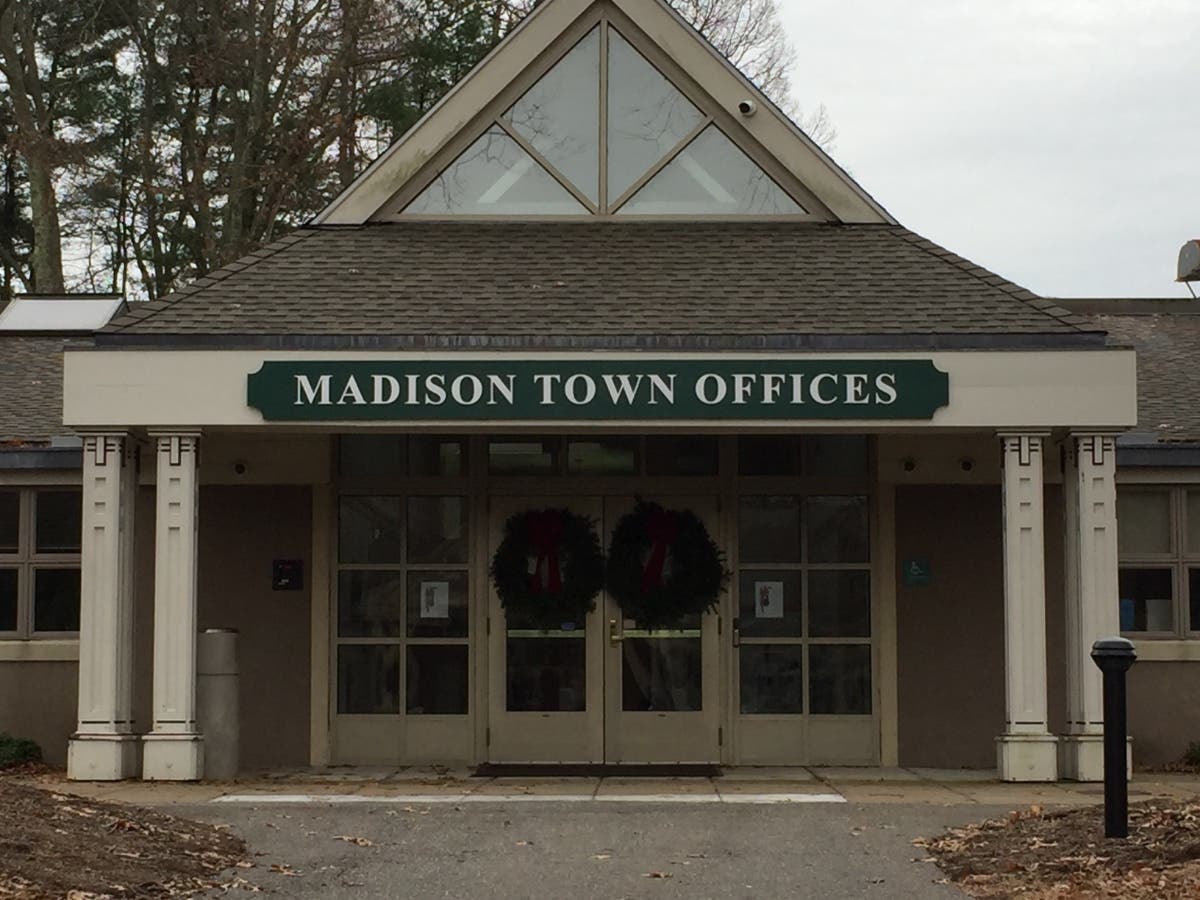
Patch file photo.
Get more local news delivered straight to your inbox. Sign up for free Patch newsletters and alerts.