Politics & Government
New Program Would Raise Money For Maintenance Of Hammonasset Beach State Park
State budget cuts are taking a toll on Connecticut's state parks.


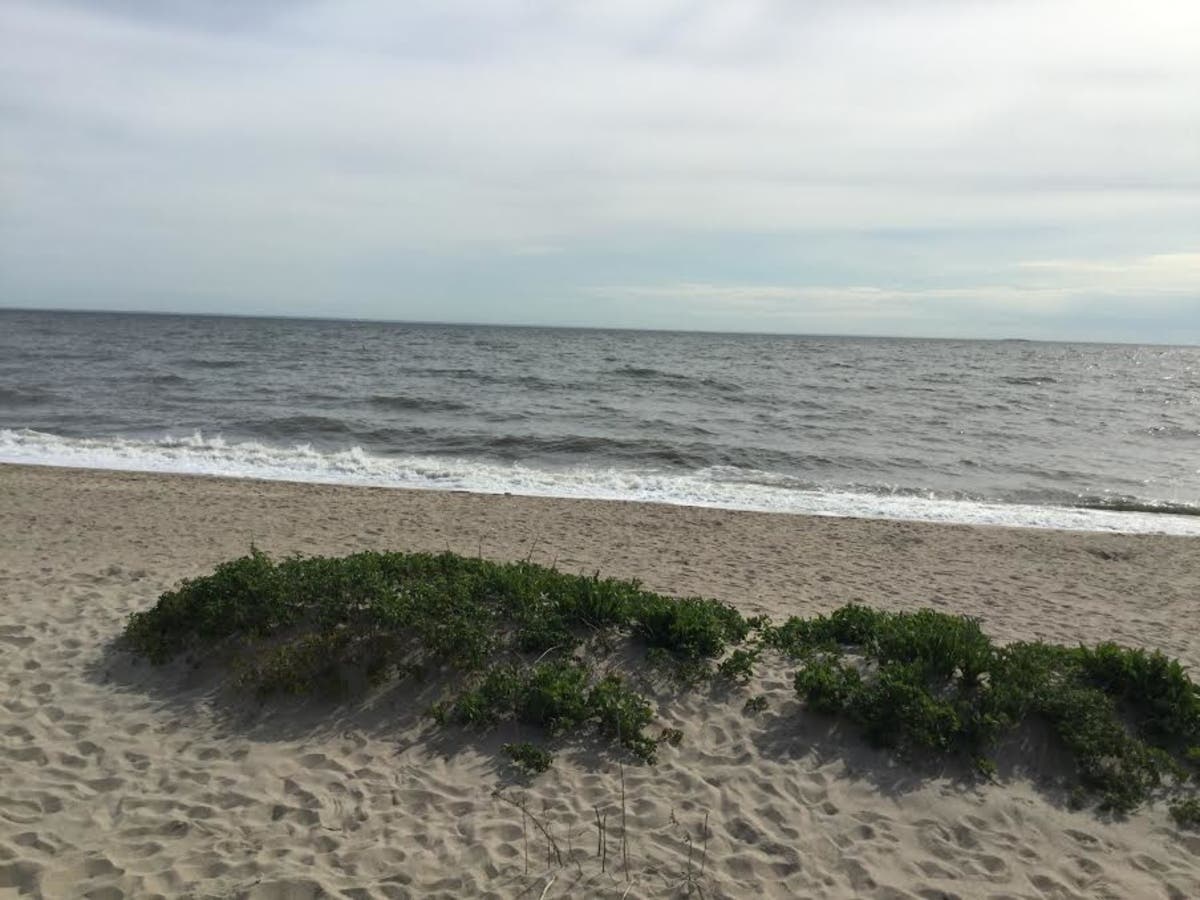
By Jack Kramer, Correspondent
MADISON, CT – Legislators from both political parties are making a renewed pitch for the state to spend millions to maintain Connecticut’s parks and forests, including the largest shoreline park in the state, Hammonasset Beach State Park.
The legislators held a press conference at the state capitol to push for a proposal called “Passport to the Parks,” which would raise $14.5 million per year through a $10 vehicle registration fee to be paid every two years when vehicle registrations are renewed.
Find out what's happening in Madisonfor free with the latest updates from Patch.
The $5 per year fee would be, at least as designed, dedicated strictly to fund the state’s beleaguered park and forest system, which has been particularly hard hit by a series of budget cuts during Connecticut’s budget crisis the past few years.
One of the politicians backing the proposal was Rep. Melissa Ziobron, R-East Haddam, was said she was at Rocky Neck State Park in East Lyme a few days ago and it was “chilling to see grass knee-high.”
Find out what's happening in Madisonfor free with the latest updates from Patch.
She said while she was at Rocky Neck she witnessed two out of state RV’s pull into the park and campgrounds “and quickly pull out” when they witnessed the conditions of the park.
Gov. Dannel Malloy’s most recent budget proposal would cut an additional $8 million from the Department of Energy and Environmental Protection and most of that, about $6.4 million, would saved by converting most state parks to “passive management,” providing staffing at only a handful of shoreline parks, and leaving the remainder with little to no ongoing maintenance.
Eric Hammerling, executive director of the Connecticut Forest and Park Association, who was at Thursday’s press conference, had his own term for “passive management.”
“I call in active mismanagement,” Hammerling said, adding that currently there are only only 35 full-time staff left to manage 110 state parks after a series of layoffs.
“The governor’s recommendation would close campgrounds and leave even fewer services available to the public,” Hammerling said. “‘Passive management’ means that visitors will enter at their own risk and witness shameful neglect of the our most precious natural resources.”
The “passport” would allow drivers with Connecticut plates to enter state parks for free, while visitors from other states would have to pay entry fees. The legislation that would have implemented the proposal died in committee, but supporters are still hoping the idea could come up as part of the state budget.
“The governor has encouraged all members of the legislature to bring their ideas to the table – and we appreciate members putting forth the Passport to Parks idea,” Chris Collibee, Malloy’s spokesman said.
“As the administration and legislative leaders work through the budget process we will need to give thoughtful consideration to the upside and pitfalls of this idea,” Collibee added.
Collibee said, however, even if the program was adopted, it would only cover about half the annual operating cost of the state parks and forests.
One of those speaking favor of the passport concept at the press conference was Sen. Craig Miner, R-Litchfield.
While acknowledging the $5 per fee is another hit at taxpayers, Miner added: “This one seems to have the least objectionable component,” stating because it was money that would be funneled back into the state’s parks and forests.
“Far more are in favor than opposed” to the idea,” Miner insisted.
Last year budget cuts forced three of the state’s 14 campgrounds to be closed after the July 4th weekend. Nine other campgrounds were shut down after Labor Day. Only Hammonasset and Rocky Neck camping areas were open last year between Labor Day and Columbus Day weekend.
Madison State Rep. Noreen Kokoruda said parks, like Hammonasset have “become a target.’’
“I know people are really concerned,” Kokoruda continued. “The thing about Hammonasset is that it’s used by more people outside the town of Madison than those who live there.
“People plan their summer vacations there. People from other states come there,” Kokoruda said.
What people don’t realize is that while people outside of Madison love to come to Hammonasset to enjoy the beach, the ocean, Meigs Point, and more, “is nobody asks who provides the police and fire protection.
“I’ll tell you who,” said Kokoruda. “It’s the taxpayers of the town of Madison that foot the bill.”
The so-called “Passports to the Parks” programs time has come, Kokoruda said, adding that it is time that the state park system operates on a self-sustainable budget – or it may not be operating at all.
Get more local news delivered straight to your inbox. Sign up for free Patch newsletters and alerts.