Neighbor News
Hidden Cleaning Dangers Around Your House
You want to have a clean and safe house, but did you know that some of the things found in traditional cleaners can do more harm than good?
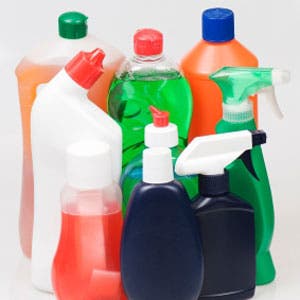
You want to have a clean and safe house, but did you know that some of the things found in traditional cleaners can do more harm than good?
Many popular household cleaners are dangerously toxic. There’s no federal regulation of chemicals in household products, and the average household contains about 62 toxic chemicals, say environmental experts.
Find out what's happening in Manchesterfor free with the latest updates from Patch.
We’re exposed to them routinely — from the phthalates in synthetic fragrances to the noxious fumes in oven cleaners. Ingredients in common household products have been linked to asthma, cancer, reproductive disorders, hormone disruption and neurotoxicity.
Manufacturers argue that in small amounts these toxic ingredients aren’t likely to be a problem, but when we’re exposed to them routinely, and in combinations that haven’t been studied, it’s impossible to accurately gauge the risks. While a few products cause immediate reactions from acute exposure (headaches from fumes, skin burns from accidental contact), different problems arise with repeated contact. Chronic exposure adds to the body’s “toxic burden” — the number of chemicals stored in its tissues at a given time.
Find out what's happening in Manchesterfor free with the latest updates from Patch.
One of the toxic substances is phthalates, found in air fresheners, dish soap, and toilet paper. If you see the word “fragrance” on a label, there’s a good chance phthalates are present.
When possible, choose fragrance-free or all-natural organic products. Bypass aerosol or plug-in air fresheners and instead use essential oils or simply open windows to freshen the air. Also consider adding more plants to your home as they are natural air detoxifiers.
Perchloroethylene, or “perc,” is found in dry-cleaning solutions, spot removers, and carpet and upholstery cleaners.
Curtains, drapes and clothes that are labeled “dry clean only” can be taken instead to a “wet cleaner,” which uses water-based technology rather than chemical solvents. For a safer spot remover, look for a nontoxic brand, or rub undiluted castile soap directly on stains before washing.
Triclosan is another common toxin and it is found in most liquid dishwashing detergents and hand soaps labeled as “antibacterial.”
Use simple detergents and soaps with short ingredient lists, and avoid antibacterial products with triclosan for home use. If you’re hooked on hand sanitizer, choose one that is alcohol-based and without triclosan.
You’ll also want to watch out for quarternary ammonium compounds, or “quats.”
These are found in fabric softener liquids and sheets, and most household cleaners labeled as “antibacterial.”
You don’t really need fabric softener or dryer sheets to soften clothes or get rid of static, as simple vinegar works just as well. White vinegar is your best choice for general cleaning (other types can stain).
Alternatives to chemical disinfectants abound, including antibacterial, antifungal tea-tree oil. Mix a few drops of tea-tree oil and a tablespoon of vinegar with water in a spray bottle for a safe, germ killing, all-purpose cleaner. Add a couple of drops of lavender essential oil for scent.
Window, kitchen, and multipurpose cleaners contain 2-butoxyethanol.
Instead, clean mirrors and windows with newspaper and diluted vinegar. For other kitchen tasks, stick to simple cleaning compounds like Bon Ami powder – it’s made from natural ingredients like ground feldspar and baking soda without the added bleach or fragrances found in most commercial cleansers. You can also make your own formulas with baking soda, vinegar and essential oils.
Ammonia is another toxin to be aware of. It is found in polishing agents for bathroom fixtures, sinks, and jewelry, and is also in glass cleaner.
A better choice would be to use vodka. It will produce a reflective shine on any metal or mirrored surface. Toothpaste makes an outstanding silver polish.
Chlorine can be found in scouring powders, toilet bowl cleaners, mildew removers, laundry whiteners, and household tap water.
For scrubbing, stick to Bon Ami or baking soda. Toilet bowls can be cleaned with vinegar, and vinegar or borax powder both work well for whitening clothes. To reduce your exposure to chlorine through tap water, install filters on your kitchen sink and in the shower.
Another thing to watch out for is sodium hydroxide, which is found in oven cleaners and drain openers.
You can clean the grimiest oven with baking-soda paste. Unclog drains with a mechanical “snake” tool, pour a cup of baking soda and a cup of vinegar down the drain and plug it for 30 minutes. After the bubbles die down, run hot water down the drain to clear the debris.
Need some help around the house? Give Maid Brigade of Central Connecticut a call at 860-645-6243 and our Green Clean certified cleaners will help you out.