Neighbor News
How to Enjoy the Holiday Season While Living with Diabetes
By Dr. Matthew Desir, a family medicine physician with Pro Health Physicians located in Manchester
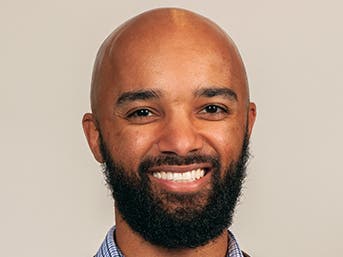
By Dr. Matthew Desir, a family medicine physician with Pro Health Physicians located in Manchester
As the holidays approach, it’s important to keep a healthy lifestyle in mind, while still enjoying yourself, relaxing, and celebrating traditions. Choosing holiday menus can be a challenge if you’re trying to accommodate dietary restrictions due to health issues such as diabetes. Diabetes, prevalent among older adults, is a chronic disease that affects how the body turns food into energy.
There is no cure for diabetes, but there are ways to keep the fun and manage diabetic conditions during these special times, whether it be through medication, by incorporating healthy foods into your diet, and keeping active.
Find out what's happening in Manchesterfor free with the latest updates from Patch.
For many, sharing a meal with friends and family is a central focus of holiday festivities, so it’s important to add healthy items to the meal planning. Try healthy substitutes for some traditional family favorites that might be high in trans-fats and calories. Try to stick to a diet plan that includes fruits, whole grains, non-starchy vegetables and lean protein. Minimize processed foods, sugary drinks and alcohol. Regarding physical activity, it could be as simple as going for a family walk after dinner, playing football in the yard, signing up for a turkey trot run, or even dancing around your kitchen. Any of these activities are good choices depending on your level of fitness and can have the added bonus of becoming an event for the whole family to enjoy.
There are different types of diabetes. Depending on cause and type, it can determine how it is managed and treated. Regardless of your treatment plan, it is important to stay on top of it. If poorly managed, diabetic conditions can lead to complications such as kidney disease, eye problems, nerve damage, and heart disease.
Find out what's happening in Manchesterfor free with the latest updates from Patch.
Type 2 diabetes is the most common type of diabetes, with 90-95% of patients having this type. High risk groups for type 2 diabetes include:
- People 45 years or older.
- Being overweight.
- Being physically active less than three times a week.
- Having an immediate family member with type 2 diabetes.
- Having had gestational diabetes or given birth to a baby weighing more than nine pounds.
- African American, Hispanic/Latino, American Indian or Alaska Native heritage (some Pacific Islanders and Asian Americans are also at higher risk).
- Having non-alcoholic fatty liver disease.
Risk factors for Type 1 diabetes are not as clear cut, and it is thought the condition may be caused by an autoimmune reaction. People with Type 1 do not produce insulin, it is not preventable, and patients will need to take insulin every day. It is more likely to occur in children, teenagers or young adults, as well as people who have a family history of type 1 diabetes. White Americans are more likely to develop Type 1 diabetes than African Americans and Hispanic/Latinos.
88 million adults in the U.S. have prediabetes, and a large percentage of adults do not know they have it. People are considered prediabetic when their blood sugar levels are higher than normal, but not high enough to be considered type 2 diabetes. Fortunately, while prediabetes does put people at higher risk for developing type 2 diabetes or other health conditions, it can be reversed with healthy lifestyle behaviors.
While it may seem difficult to pursue an active, healthy lifestyle or modify your diet, especially during the holidays, the benefits are worth it. One of the best things you can do is to set small, attainable goals, as well as larger longer-term goals for fitness and eating. Get support from your friends and family, for example, work out with a friend to keep yourself accountable or simply share your successes with friends and family to help you stay on track. Most of all, celebrate your commitment to improving your health and enjoy the holidays.