Sports
Manchester Road Race On, Officials Bracing For Arctic Conditions
The Manchester Road Race is taking place as scheduled, but runners and spectators will be dealing with frigid conditions.


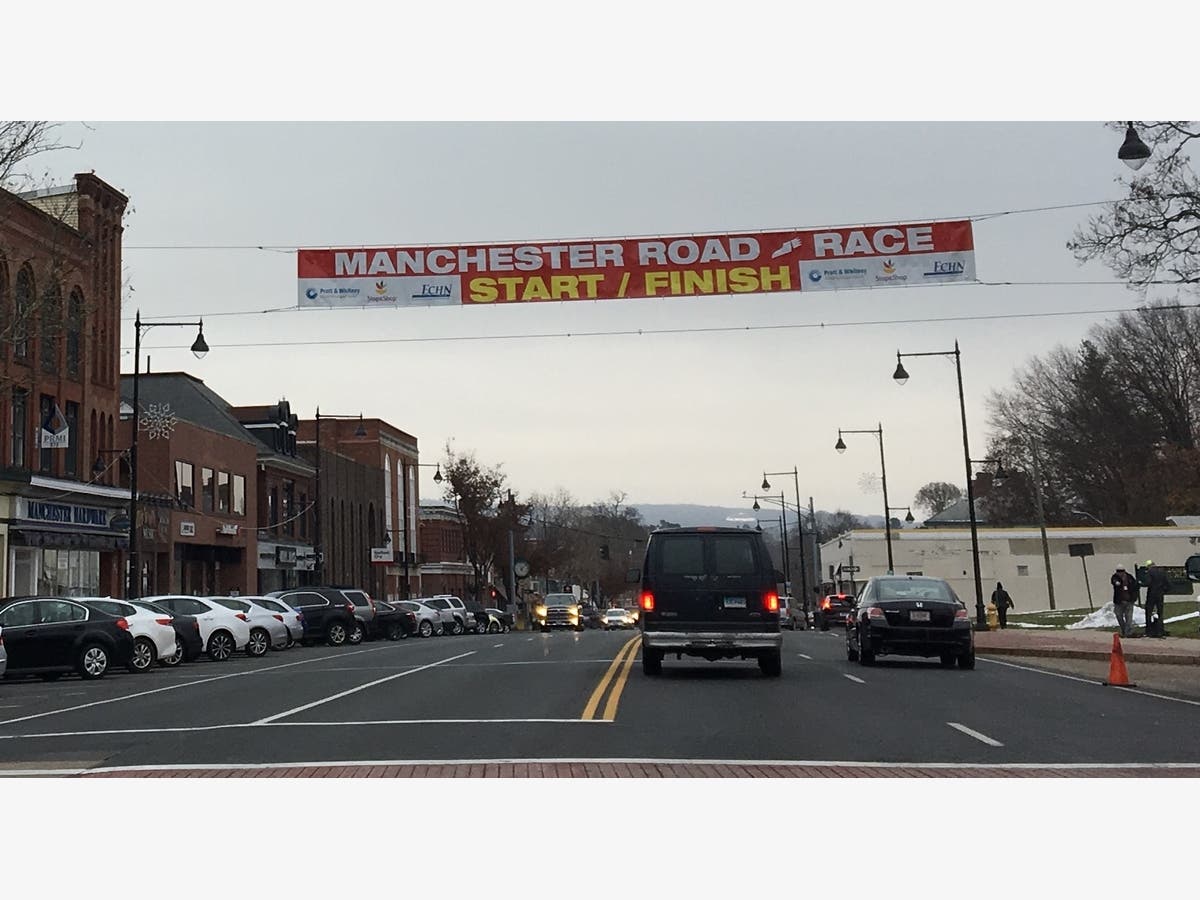
MANCHESTER, CT —The show will go on for 11,000-plus runners and thousands more spectators on Thanksgiving Morning in Manchester. The 82nd Manchester Road Race will step off as scheduled at 10 a.m. on Thursday, despite predictions of Arctic-like weather.
"Our Road Race has been held throughout the years in all kinds of conditions and, although we are urging everyone to take appropriate precautions, our Thanksgiving Day tradition will continue as planned," said Dr. Tris Carta, the president of the Manchester Road Race Committee."We are urging our runners and spectators to dress warmly, in layers of clothing."
According to Connecticut weather icon Brad Field via his Brad Field Weather Facebook page, racetime wind chills will be legitimately near zero. That's base temperatures of 10 to 15 degrees and sustained winds of 20 mph with gusts of more than 30 mph, Field said.
Find out what's happening in Manchesterfor free with the latest updates from Patch.
Field said the cold front is heading right to the U.S. Northeast from Siberia.
How cold is that? Running legend and nine-time champion Amby Burfoot, who will be heading to Manchester for a record 56th consecutive time, is considering a balaclava for the first time, among other layers.
Find out what's happening in Manchesterfor free with the latest updates from Patch.
"Covering extremities is crucial," Burfoot said. "Mittens are far better than gloves for the hands/fingers, and a full head covering is recommended for the ears. Also, if blustery as advertised, an outer layer of windblock nylon or high-performance breathable polyester fabric is very important to keep the torso warm.
"On Thursday, most of us will want sweatpants as well, but not cotton. Again, nylon or polyester fabrics are much better."
Burfoot said the "skinny fast guys and gals produce two or three times as much heat as the slower runners, so they can afford to wear a bit less. The slower you run or walk, the more you have to wear, and the longer you'll be out there.
"I'll be doing some combination of all the above, plus I might wear a full balaclava for the first time ever in a race. I like keeping my neck warm."
Added Carta, "We believe that if everyone takes steps to prepare for the cold weather and winds, we will be able to hold a safe and enjoyable race."
Carta said that race officials have consulted with town emergency management and public health officials about opening warming stations for runners and spectators in the downtown area on race morning.
Warming locations are:
- St. James Church basement, (Main Street)
- St. James school gym (on Park Street)
- Bennet Academy gym (Main and School streets)
- Salvation Army building (661 Main St.)
Two buses are being staged on the course for people to get out of the cold.
- At Highland Park School
- On Hartford Rd. at the corner of Main Street
Here is a list of suggested safety precautions for athletes and fans participating in the race:
- Dress in layers. The key to staying safe in the cold is to wear several layers of clothing. Wearing the right shoes and clothes helps.
- An inner layer that wicks sweat away from the skin. It can be lightweight wool, polyester, or polypropylene (polypro). Never wear cotton in cold weather, including underwear. Cotton absorbs moisture and keeps it next to the skin, making the body cold.
- Middle layers that insulate and keep heat in. They can be polyester fleece, wool, microfiber insulation, or down. Depending on the activity, the body may need a couple of insulating layers.
- An outer layer that repels wind, snow, and rain. Try to choose a fabric that is both breathable and rain and wind proof. If the outer layer is not also breathable, sweat can build up and make the body cold.
Also recommended are:
- Warm hat
- Facemask
- Scarf or neck warmer
- Mittens or gloves (mittens tend to be warmer)
- Wool or polypro socks
- Warm, waterproof shoes or boots
"The key with all of your layers is to take them off as you warm up and add them back as you cool down. If you wear too much while exercising, you will sweat a lot, which can make you colder," Carta said. "You need both food and fluids to fuel your body and keep you warm. If you skimp on either, you increase your risk for cold weather injuries such as hypothermia and frostbite.
"Eating foods with carbohydrates gives you quick energy. If you are only out for a short time, you may want to carry a snack bar to keep your energy going. If you are out all day skiing, hiking, or working, be sure to bring food with protein and fat as well to fuel you over many hours.
Drink plenty of fluids before and during activities in the cold. You may not feel as thirsty in cold weather, but you still lose fluids through your sweat and when you breathe."
Photo Credit: Chris Dehnel
Get more local news delivered straight to your inbox. Sign up for free Patch newsletters and alerts.