Neighbor News
Sprucing Up Your Wood Furniture
Your wood furniture is still in good condition, but it is looking a little dingy. Have no fear, we can help you fix it up.
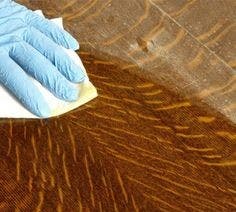
Your wood furniture is still in good condition, but it is looking a little dingy.
Have no fear, we can help you spruce it up.
Find out what's happening in Manchesterfor free with the latest updates from Patch.
The easiest restoration process is cleaning. What first appears to be a beat-up finish may just be dirt. In many cases, this coating can be removed with an oil-based commercial wood cleaner/conditioner.
Following the manufacturer’s instructions, apply the cleaner generously with a soft cloth and let it stand for an hour or two. Then wipe off the cleaner with another cloth. Repeat the process, using plenty of cleaner, until the wood is clean and lustrous – this may take up to four or five applications. Buff the clean wood lightly to remove excess oil.
Find out what's happening in Manchesterfor free with the latest updates from Patch.
If a commercial cleaner/conditioner doesn’t do the job, remove the built-up grime with a mild solution of warm water and liquid detergent. Use sparingly, work quickly, and don’t soak the piece of furniture or pour the solution over it. When the furniture is clean, rinse off the detergent with water and then carefully and thoroughly dry the wood with a soft cloth or a towel.
Let the wood dry completely. If there’s a haze on the finish, you may be able to remove it with steel wool. Buff the surface lightly, with the grain of the wood, with No. 0000 steel wool. Then apply a commercial cleaner/conditioner and lightly buff the wood again.
If detergent cleaning doesn’t work, use a solvent – depending on the type of finish – to clean the wood. Solvent cleaning is the last resort to consider because it may damage the finish. Use mineral spirits or turpentine on any finish and denatured alcohol on varnish or lacquer. Do not use alcohol on shellac or on a shellac/lacquer mixture. Apply the solvent with a rough cloth, such as burlap or an old towel. Then wipe the wood clean with another cloth. Finally, apply a commercial cleaner/conditioner, and buff the wood lightly.
Reamalgamation is a grand revival technique that can make alligatored, crazed, cracked, and scratched furniture look like new. Basically, reamalgamation is the near-liquefication of a marred finish so that it dries solid and unblemished.
The type of finish on the furniture determines the solvent used for reamalgamation: shellac is reamalgamated with denatured alcohol, lacquer with lacquer thinner, and a lacquer/shellac mixture with a mixture of three parts alcohol and one part lacquer thinner. Varnish usually can’t be reamalgamated.
Before you work on the finish, clean the piece of furniture. The secret of reamalgamation is to work fast, especially with lacquer. Start with a small area to get the feel of it. Apply a moderate amount of solvent with a brand-new, absolutely clean natural-bristle brush.
To reamalgamate the finished surface, apply solvent along the grain of the wood in quick, long strokes. Work quickly, and don’t let the brush get dry. Don’t try to brush out all the cracks or scratches at this point; many of them will disappear as the finish dries. If you work on individual marks too much, you may actually be removing the finish instead of liquefying it.
As the solvent dries, the finish will have a high gloss, and then, after 30 minutes or so, will become very dull. If the reamalgamation was successful, the scratches and nicks will have disappeared, and the finish will look solid.
If the cracks in the finish are deep, it may take two or three applications of solvent to remove them.
After the reamalgamated surface has dulled, lightly buff the finish with No. 0000 steel wool, working in one direction along the grain. Don’t exert much pressure, just lightly polish the finish. Then wipe the surface clean with a clean cloth.
If the reamalgamated finish is very thin, clean the surface with a tack cloth and apply a new coat of the same finish, right over the old one. Let the finish dry, buff it lightly with No. 0000 steel wool, and then wax the piece of furniture with a hard paste wax. Buff the waxed wood with a clean cloth.
If repeated reamalgamation doesn’t work, the problem is probably in the wood and you’ll have to refinish it.
Ready to see what Pinewood Furniture has to offer? Stop in and let us show you around!