Schools
UConn Researchers Leading Charge to Improve Drug Manufacturing
As part of efforts to improve drug manufacturing, UConn's School of Pharmacy recently secured a highly competitive FDA grant.


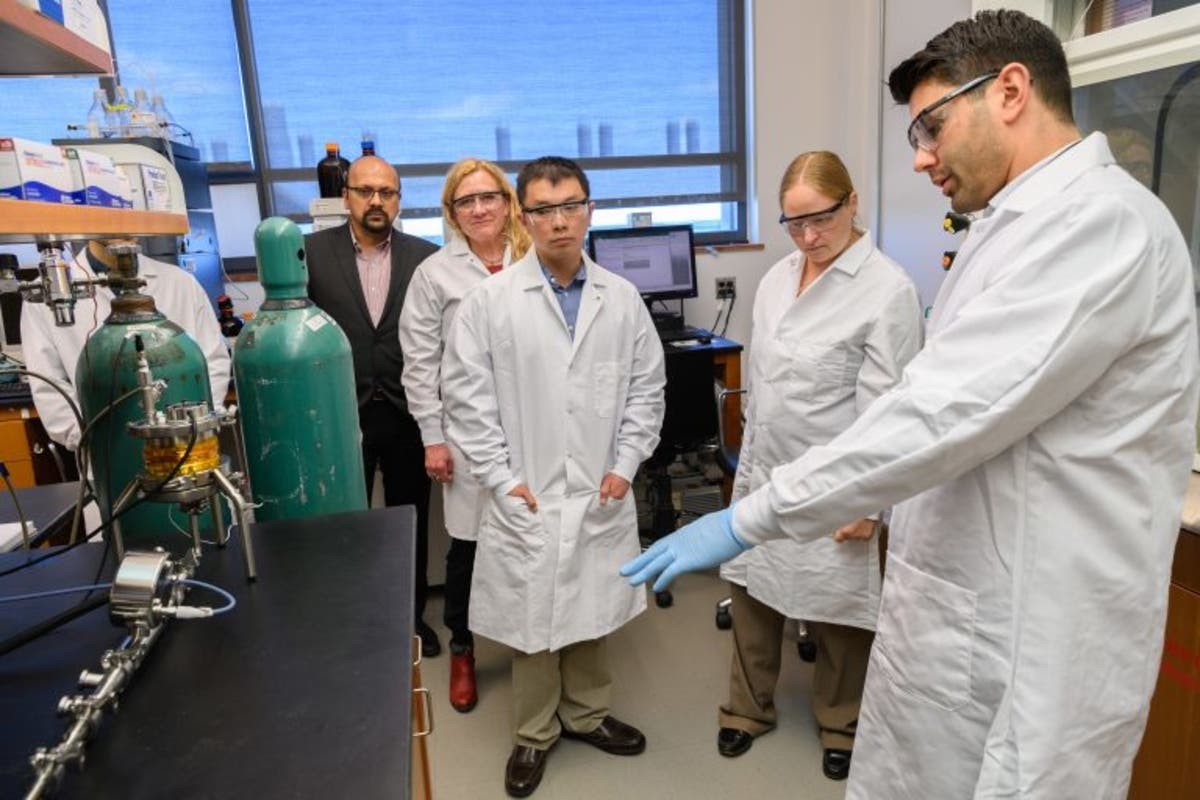
STORRS, CT — Researchers from UConn’s School of Pharmacy are leading national efforts to improve pharmaceutical manufacturing.
Board of Trustees Distinguished Professor of Pharmaceutics, Diane Burgess and her team are adapting the techniques of continuous manufacturing, which has long been used in electronics, chemical, and automobile manufacturing, to the production of complex drugs, UConn officials said.
With the techniques, drugs are made in a single uninterrupted process, unlike the batch-processing technology that is commonly used, in which medications are produced in a series of separate steps, according to UConn researchers.
Find out what's happening in Mansfield-Storrsfor free with the latest updates from Patch.
The new technologies being created at UConn could "dramatically change the way today’s complex drug dosages are made" by offering manufacturers a "more responsive and reliable production platform to keep pace with the rapid advances taking place in medicine," according to researchers.
The U.S. Food and Drug Administration has made improving pharmaceutical manufacturing a national priority and is commissioning major academic research laboratories, like those in UConn’s School of Pharmacy, to create state-of-the-art manufacturing systems that can produce today’s complex new drug products quickly, reliably, and efficiently.
Find out what's happening in Mansfield-Storrsfor free with the latest updates from Patch.
As part of the effort, researchers in UConn’s School of Pharmacy recently secured a highly competitive $3.3 million FDA grant to develop a continuous manufacturing platform for complex drug dosages that will eliminate many of the problems associated with batch processing of these products.
The three-year grant recognizes UConn’s leadership in pharmaceutical manufacturing research, and was the first to be awarded under the 21st Century Cures Act, which was passed by Congress in 2016 to spur innovation in drug manufacturing and development.
See more about the efforts on the UConn Today website.
Photo Credit: Peter Morenus/UConn
Get more local news delivered straight to your inbox. Sign up for free Patch newsletters and alerts.