Politics & Government
Affordable Housing Sparks Interesting Discussion For Milford PZB
Officials discussed recent housing trends and what needs to be done over the next five years.


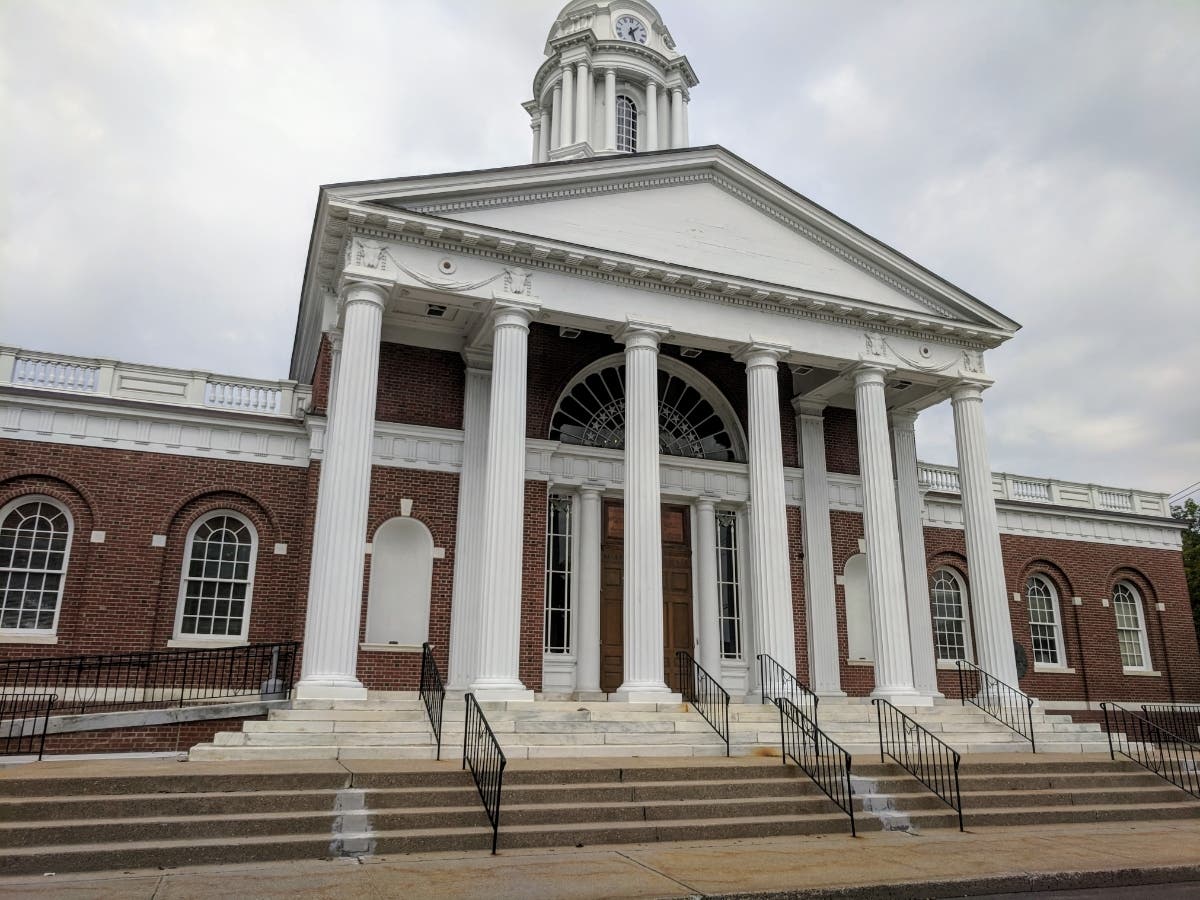
MILFORD, CT — Planning and Zoning Board members held an interesting discussion on recent housing trends and recommendations in Milford and the topic of affordable housing came to the forefront once again.
City Planner David Sulkis said the Community Development Office’s Fair Housing Officer is required by the state to produce 'Milford's 5-year Strategic Housing Plan,' and that it is usually written by a consultant. He said that goals are stated in that Housing Plan and that the board can use the Plan Of Conservation and Development to help decide how to incorporate movement toward meeting them.
He said the overriding goal is to create decent, accessible, stable housing environments for the citizens of the City. He noted that the City of Milford, unlike some other municipalities, is not in housing construction business, but rather it can facilitate or incentivize the expansion and diversity of the City’s housing stock.
Find out what's happening in Milfordfor free with the latest updates from Patch.
Evictions and homelessness reduction were discussed and the ways in which different housing types could be less expensive such that an "economically fragile citizens are supported," according to official meeting minutes.
He said that as a land use board, Planning and Zoning can facilitate different housing types, for example, tiny houses are being used in some areas as a solution to support chronically homeless people, according to meeting minutes.
Find out what's happening in Milfordfor free with the latest updates from Patch.
In addition, overall real estate market analysis shows a demand for rental housing that people can afford; Sulkis said this topic frequently comes up at planning conferences he has attended. He said analysis of current demographics reveal that people leaving college are mobile and want to rent, often because they have substantial educational debt.
In addition, “empty-nesters” want to downsize, creating demand for similar types of housing. PZB member James Kader said high-end housing tends to be what is constructed, but lower income people have needs, too, according to meeting minutes.
The concept of backlash and “NIMBY” (not in my backyard) were discussed. PZB member John Mortimer pointed out that in Milford, smaller scale multifamily homes for 2 and 3 families are scarce.
PZB member Peg Kearney noted that the recently approved plan for 135 Broad Street conforms to Transit-Oriented Development goals. Kader and Chairman Jim Quish discussed how difficult it is to balance need for diverse housing with bias against affordable housing in the community, meeting minutes state.
PZB member Scott Marlow said that balance is the key, to ensure that Milford grows without changing its essential character. Mortimer reflected on the need to meet affordable housing percentages to support the 8-30g moratorium.
The group discussed that City must use the moratorium to decide where to locate affordable housing and craft regulations to guide developers on where to build it rather than the other way around.
There was acknowledgement that a lot would be needed to reach the 10% state target and that the Planning and Zoning Board has tools to provide guidance, such as requiring that any 10+-unit-development must include an affordable component or pay into a fund that allows the city to build affordable housing, officials said.
There was agreement among members that the board must act in partnership with the rest of City leadership for appropriate development.
Get more local news delivered straight to your inbox. Sign up for free Patch newsletters and alerts.