Community Corner
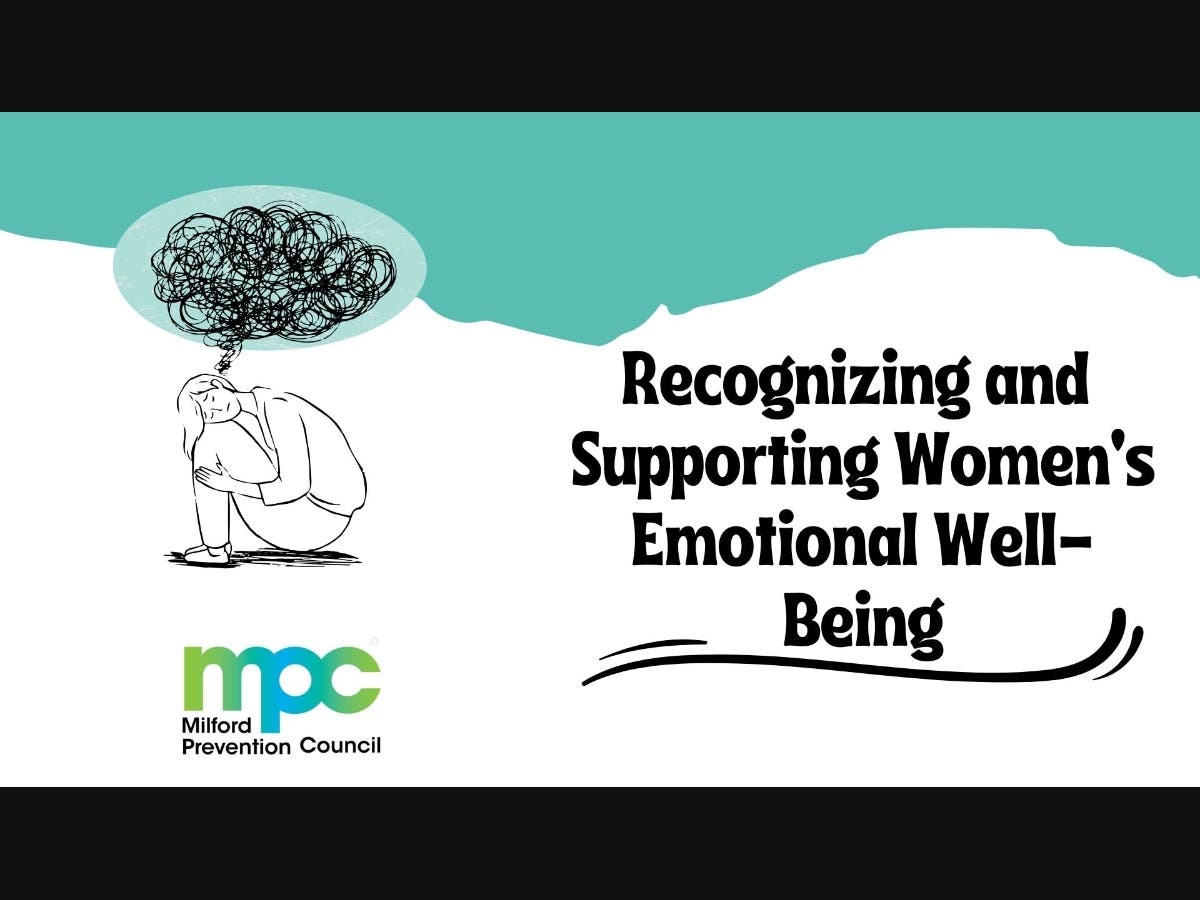
Recognizing and Supporting Women’s Emotional Well-Being
Read this article to learn about the importance of women's mental health!

This article is courtesy of MPC intern, Bianca Jackson.
Why Women’s Mental Health Matters
Women’s Mental Health awareness focuses on the unique emotional and psychological struggles women might face across their life. Women typically balance multiple life roles such as work, caregiving, education, and relationships, which can pile up ongoing stress. Societal expectations and gender roles can contribute to emotional strain, which makes the need for awareness and support extremely important.
Find out what's happening in Milfordfor free with the latest updates from Patch.
Mental Health Conditions Affecting Women
According to the National Institute of Mental Health (NIMH), women are statistically more likely to experience depression, anxiety, eating disorders, and post-partum depression. Hormonal changes during menstruation, pregnancy, recovering post-partum, and menopause can impact mood and mental health.
Find out what's happening in Milfordfor free with the latest updates from Patch.
Barriers to Seeking Help
Many women tend to prioritize others’ needs before their own, which can prevent them from seeking mental health support. Some barriers might include:
- Lack of time due to caregiving
- Financial/healthcare access limitations
- Social stigma
- Minimizing their own symptoms
Being able to break these barriers beings with normalizing self-care habits and mental health support.
Building Emotional Support
Improving women’s mental health involves both personal and systemic support such as:
- Access to therapy and healthcare
- Strong social support networks
- Education about mental health conditions
It’s completely understandable that there might be a lot going on around you. But remember that it’s okay to pause and take a breath. Self-care is so important for long-term well-being.
Resources
Some resources you can reach out to if you feel like you need help are:
- Suicide Lifeline: Dial 988
- 24/7 Crisis line: Dial 1-800-HOPE-135