Health & Fitness
Teaching Male National Identity in Early America: What became of Ezekiel Austin? Part 8
Following the Revolutionary War, how did Early American males become "Americanized?" This eight part blog explores this question using an average 19th century Montville resident as an example.

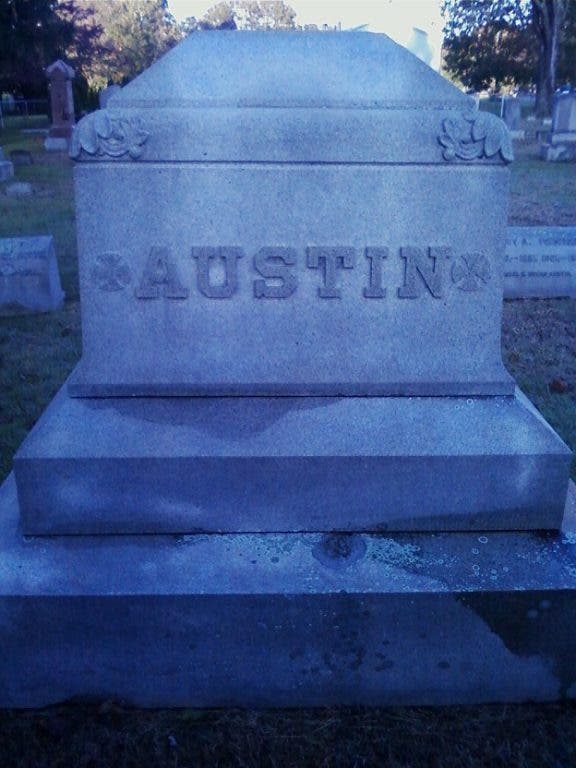

In reviewing the extensive evidence, it clearly slows the adult citizenry of early America systematically created the persona of what they believed to be the unequivocal, virtuous male by their standards. These characteristics are apparent when reviewing Ezekiel Austin’s life.
Austin eventually left Rhode Island, became a stone mason at the quarries in Waterford. According to the Austin family papers, Ezekiel met Susan Douglass while working in Waterford. The couple married in 1836 and had six children. The Austin family eventually moved from Waterford to Montville in 1842, when he purchased a farm.
Upon his death on May 21, 1894, Ezekiel Austin embodied the characteristics of American manhood by being industrious, pious, and civically virtuous. Evidence of this lies in his obituary, estate probate, and family papers. In Henry Baker’s History of Montville, Baker stated “[Austin] was deacon of Union Baptist church, a devoted and exemplary Christian. He died respected and beloved.” To be a deacon, Ezekiel was in charge of the following religious duties: benevolent work, visiting the sick, and being alert to the spiritual needs of the congregation. Furthermore, based on his probate accounting, when Austin died, he was wealthy. He left his wife all property and assets to use during her lifetime. Hid property included his homestead as well as two additional farm houses which he held the mortgage. The full accounting of his probate concluded after his wife death in 1895. His assets listed in Montville probate records amounted to $5806.30, or approximately $500,000.00 in 2011 currency. Ezekiel Austin’s life followed the path of his poetry he wrote all those years ago; “May the girl thou loves be honest and the Land which thou lives in free.” He loved his wife, had many children, lived to see his great grand-children and lived to see the United States become truly free after the Civil War.
Find out what's happening in Montvillefor free with the latest updates from Patch.
Through the family life, education, religion, and popular culture, early American boys learned a variety of virtues through their daily lives. Our country's founders, male and female created their own masculine culture which is still valued in our present society.