

Many of us spend time each year fighting the dreaded weeds in our yards but do you know that many of the weeds we are trying desperately to kill has healing properties?
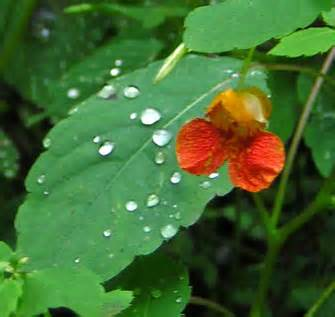
Let’s talk Jewelweed, a common plant in your yard that grows in shady wet areas in Eastern North America. Most likely we tried to get rid of them in our yard without really taking the time to learn about them.
Jewelweed grows from 2 to 6 feet tall and has a hollow stem, usually reddish at the joints and very shallow roots with stringy tan rootlets. The leaves are egg shaped with a waxy surface coating that repels water. Jewelweed blooms from May through October and the flowers are yellow in the shape of a trumpet. The plant help the itching, burning rash that is caused by plant induced dermatitis such as poison ivy.
Find out what's happening in Naugatuckfor free with the latest updates from Patch.
If you had poison ivy, you should learn more about the benefit of this plant since it will be very handy when you are exposed to poison ivy, poison oak, or stinging nettle.
Crush the leaves and stem of the plant until juice appears, then rub the juice onto the exposed area. This will promptly easy irritation and usually prevents breakout for most people.
Find out what's happening in Naugatuckfor free with the latest updates from Patch.
If you have an abundance of Jewelweed in your yard, try making a infusion which can be used later when needed.
So next time you encounter a Jewelweed plant, instead of killing it, try to re-plant into an area away from your living space where you can harvest the healing powers of the plant.