Community Corner
CT Archaeologist 'Indiana Jones' Lecture On History Mysteries Set
Nick Bellantoni's "And So The Tomb Remains" shares investigations of 18th/19th century family tombs, some vandalized through occult rituals.


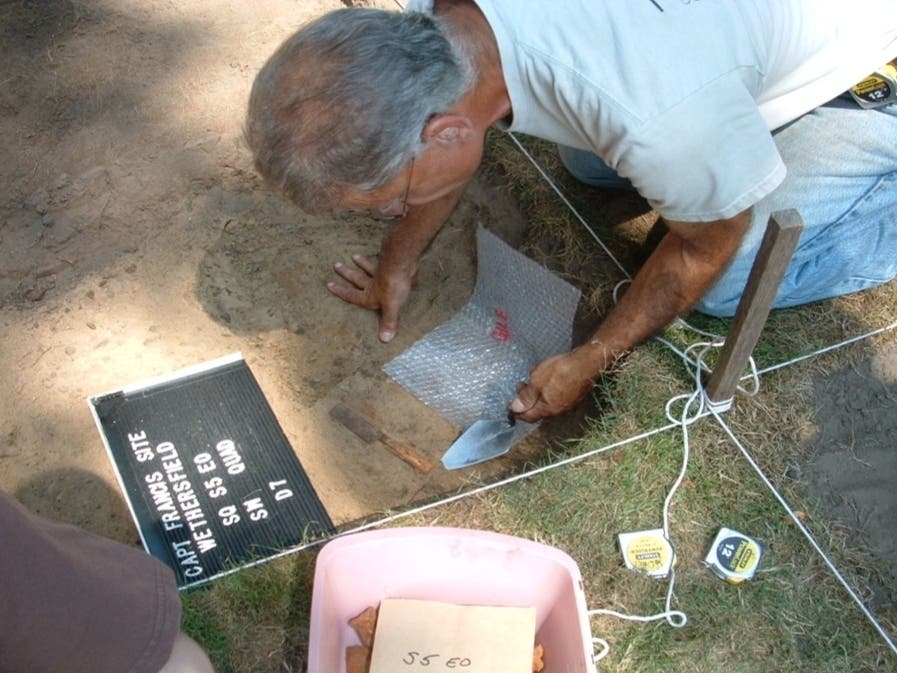
NEW HAVEN, CT —Former state archaeologist Nick Bellantoni, dubbed Connecticut's 'Indiana Jones,' reveals historical mysteries in a lecture called “And So the Tomb Remained," on Sunday, Aug. 29 at 2 p.m. at the New Haven Museum’s Pardee-Morris House.
human skeletal remains to their original burial placements when vandalized through occult rituals
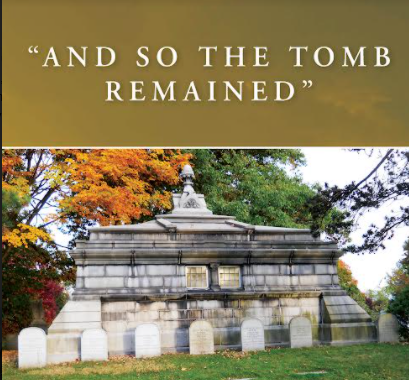
The talk, which shares the same name as his newest book, will highlight some of the burial chambers he investigated while the state's archaeologist, and, he’ll also share anecdotes on the historical significance of Grove Street Cemetery and the New Haven Green Burying Ground as examples of changes in mortuary practices from the 17th to the 19th centuries.
Find out what's happening in New Havenfor free with the latest updates from Patch.
Stone and brick tombs were repositories for the physical remains of many of Connecticut’s wealthiest and influential families. "And So The Tomb Remains" tells the stories of Bellantoni’s investigations into five 18th/19th century family tombs: the sepulchers of Squire Elisha Pitkin, Center Cemetery, East Hartford; Gershom Bulkeley, Ancient Burying Ground, Colchester; Samuel and Martha Huntington, Norwichtown Cemetery, Norwich; Henry Chauncey, Indian Hill Cemetery, Middletown; and Edwin D. Morgan, Cedar Hill Cemetery, Hartford.
In all of these cases, he assisted in identifying and restoring human skeletal remains to their original burial placements when vandalized through occult rituals or contributed to the identification of unrecorded burials during restoration projects.
Find out what's happening in New Havenfor free with the latest updates from Patch.
Each investigation delves into family histories and genealogies, as well as archaeological and forensic sciences that helped identify the entombed and is told in a personal, storytelling approach. Written in essay form, each investigation highlights differing aspects of research in mortuary architecture and cemetery landscaping, public health, restoration efforts, crime scene investigations, and occult activities.
These five case studies began either as “history mysteries” or as crime scene investigations. Since historic tombs were occupied by social and economic elites, forensic studies provide an opportunity to investigate the health and life stress pathologies of the wealthiest citizens in Connecticut’s historic past, while offering comparisons to the well-being of lower socio-economic populations.
Bellantoni serves as the emeritus state archaeologist with the Connecticut State Museum of Natural History at UConn.
Admission is free. Attend in person or register here to attend virtually.
Get more local news delivered straight to your inbox. Sign up for free Patch newsletters and alerts.