Crime & Safety
New Haven Resident Shoots At Alleged Catalytic Converter Thieves: PD
Cops: At 11 p.m. on Hillside Ave., a resident woke up to 2 people cutting out the expensive car part and fired when one "displayed a gun."



NEW HAVEN, CT — Late Monday night, a Hillside Avenue resident woke up to find two "males actively cutting his catalytic converter off his vehicle," police said. When one of the people "displayed a gun," the resident said they fired their own firearm, which sent the suspects fleeing, according to New Haven police spokesperson Scott Shumway.
The resident's gun is "legally registered," police said.
It was just after 11 p.m. when police went to the address between Page and Clarendon streets, for a report of gunshots. The resident told police that they'd gone outside to "stop the suspects."
Find out what's happening in New Havenfor free with the latest updates from Patch.
Shumway said that no one was struck by gunfire and added that, as of now, no charges have been filed against the resident.
Police ask that any witnesses who have not yet spoken with investigators contact the New Haven Police Department Investigative Services Division at 203-946-6304. Callers may remain anonymous or submit tips anonymously by calling 1-866-888-TIPS (8477), or texting “NHPD plus your message” to 274637 (CRIMES).
Find out what's happening in New Havenfor free with the latest updates from Patch.
What is a catalytic converter, and why steal them?
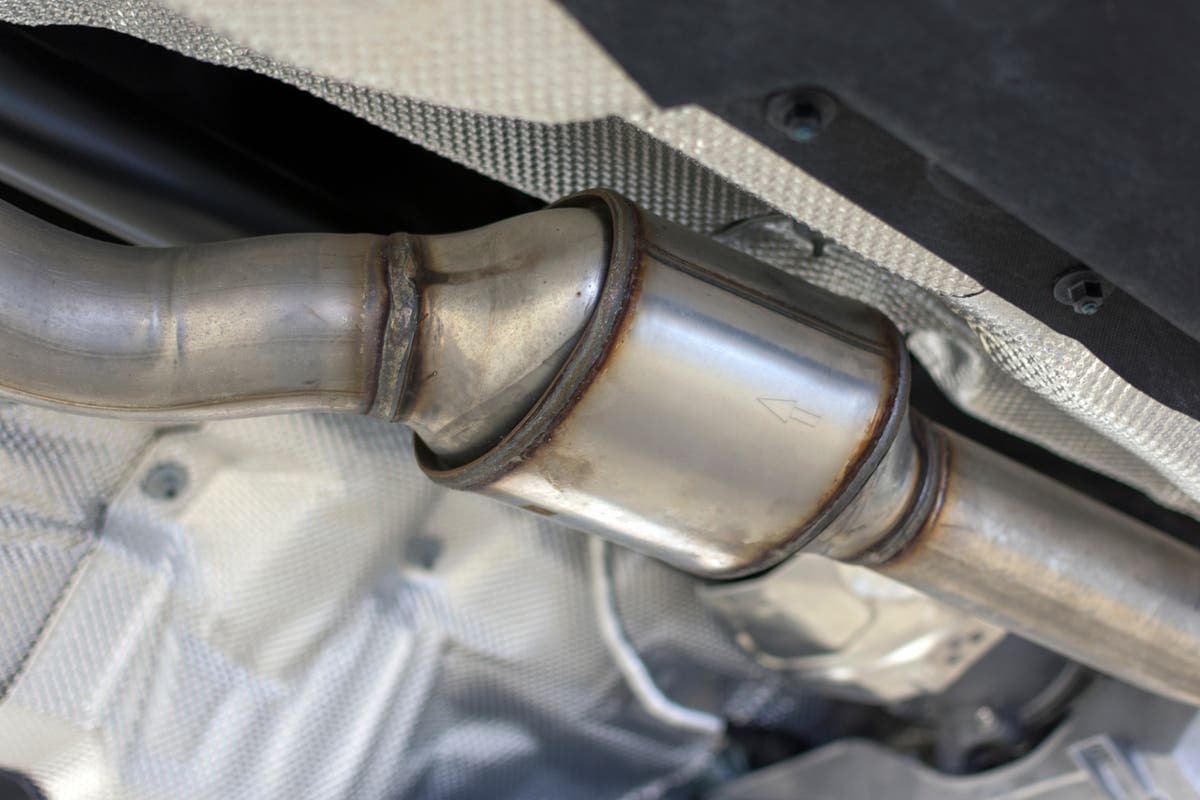
Catalytic converters can range in cost from $800 to $2,000.
According to a report from the Congressional Record following hearings on the rise in the pricey auto part thefts, a catalytic converter is a device used to reduce emissions from a vehicle’s exhaust system.
It contains a catalyst for chemically converting pollutants in exhaust gases into less harmful compounds, the report reads. "Precious metals such as palladium, rhodium, and platinum are commonly used as the catalysts," it notes.
Catalytic converters were first introduced in U.S. cars in the mid-1970s to comply with EPA regulations limiting toxic emissions.
Get more local news delivered straight to your inbox. Sign up for free Patch newsletters and alerts.