Politics & Government
Education Board Wants Auditors to Discuss Findings
Board of Education delays discussion on audit report until the authors can attend a meeting.

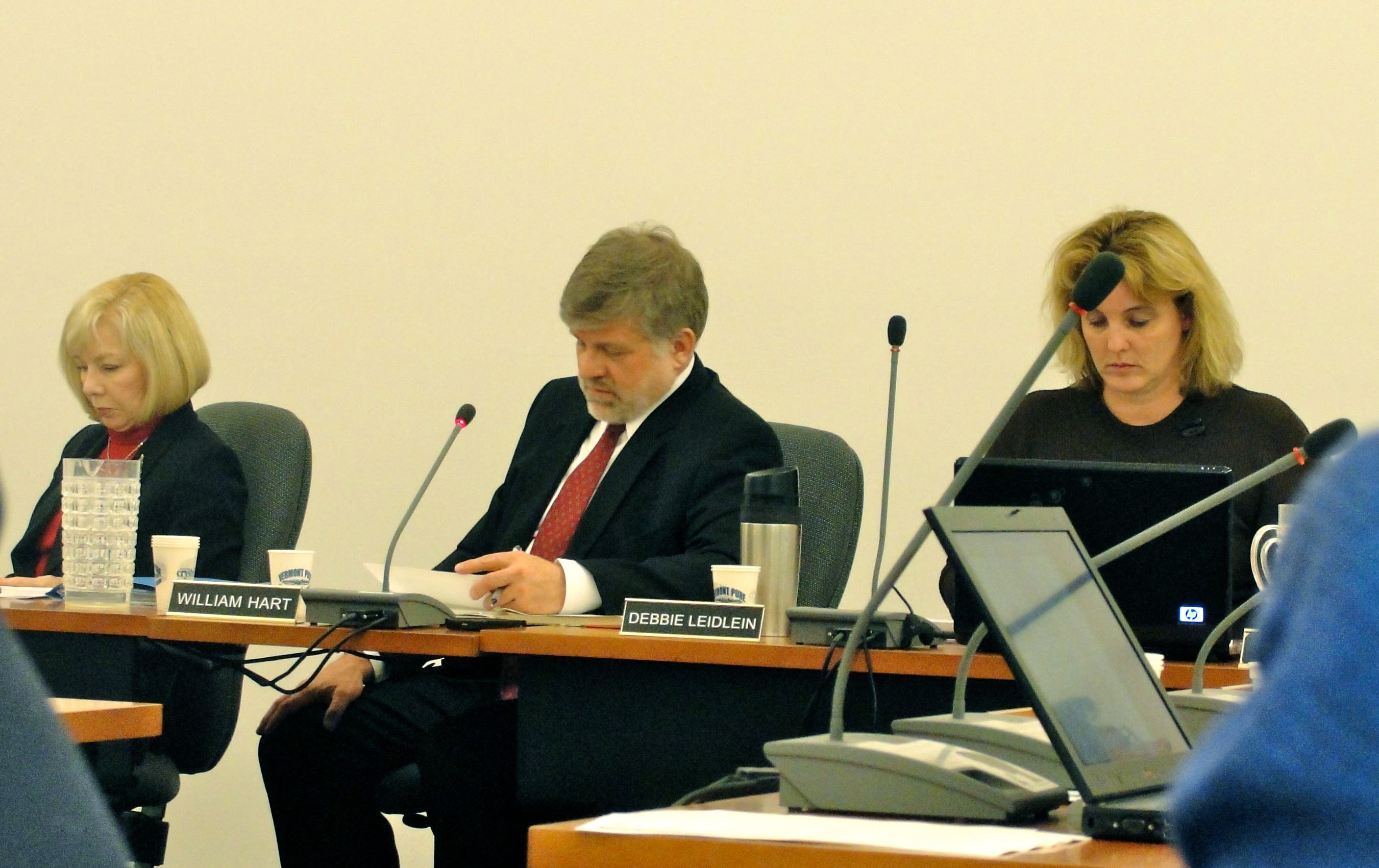
The Board of Education wants to schedule a face-to-face meeting with auditors to discuss a report the firm issued saying the district violated state statutes by not voting to transfer money.
"It's pretty scarce," education board member Andrew Buzzi said of the auditor's report during a board meeting on Wednesday. "Have we contacted the auditors about coming to the board?"
Superintendent of Schools Janet Robinson said the auditors could not make it to the meeting but may be able to in January. Board members voted to postpone discussion of the report until auditors were available to discuss the findings. Board Vice Chairman Debblie Leidlein cast the sole dissenting vote.
Find out what's happening in Newtownfor free with the latest updates from Patch.
Leidlein was one of two board members who earlier this year . What that means is when an account, such as for equipment, appears to be lacking funds, a motion to transfer money from another account to cover that deficit is brought forward and voted on by the board.
By doing transfers, the board leaves a paper trail that documents where funds come from, where they are headed to and who voted in favor of the transfer, supporters said. Former board member Kathy Fetchick was the other member who advocated in favor of transfers but she has since left the board to join the Legislative Council.
Find out what's happening in Newtownfor free with the latest updates from Patch.
Other education board members had voted to move away from doing transfers, with some saying they had been criticized in the past for trying to hide expenses and deficits by transferring money around different accounts, and so they wanted to eliminate that practice. They said that they receive a financial report at every board meeting, scrutinize the figures in detail and have discussions and votes regarding the district's finances already similar to what happens when transfers are employed.
The decision to stop making transfers earned the education board criticism from other town boards, specifically the Board of Finance, and raised questions about whether eliminating transfers was a violation of state statute.
The auditor, Farmington-based Kostin, Ruffkess and Co., appeared to agree with that assessment, saying that the school district's business office did not submit budget transfers to the education board and state statutes required it.
"The effect is that Board of Education, is not in compliance with the state statutes and board policy regarding approval of budget transfers," the auditor said in its report.
Leidlein said after Wednesday meeting that in light of the auditor's assessment, she had wanted to make a motion that the board return to doing transfers but did not get the chance after the motion to table the discussion passed.
Education board members have said they were told the practice was permissible from other districts that do not do budget transfers. The board also has asked its policy committee, headed by Buzzi, a lawyer who took Fetchick's seat, to review the legality around transfers.
Buzzi said in an interview he was still in the midst of the review. He also said the auditor's report cited little in the way of state statutes and details on the items they were specifically referring to when they said the district was not following the law. That was one reason why he requested the auditors appear before the board, Buzzi said.
"I want a fair hearing on this," he said.
A media representative from the auditing firm could not be reached for comment.
The school district's business director, Ron Bienkowski said that at the end of last fiscal year, the board had discussed and approved the rather than draw from this fiscal year's budget.
To account for that purchase, Bienkowski added the expense to the equipment account. But because the unforeseen purchase was approved only in the waning months of the fiscal year, the year ended with that particular account in deficit. However, the education board had funds in other accounts to cover the deficit.
Had the board not passed the resolution saying it would no longer do transfers, a second resolution would have had to be introduced to officially transfer the funds to cover the deficit.
Board chairman Bill Hart said members discussed at length whether the district should purchase the computers and that a formal vote was taken during a public meeting. He said he did not see value in taking a second vote to formalize the transfer.
At the same time, if the law required that the board take another step to approve what they had already voted on, the board would do that, he said.
"We're going to do what we can do to comply with the law," Hart said. "If we didn't dot the 'i's and cross the 't's, and the law says we should have, then we'll go back and do this."
Get more local news delivered straight to your inbox. Sign up for free Patch newsletters and alerts.