Health & Fitness
The Arts Drive Economic Benefits
The arts and the creative economy revitalizes downtowns and is a good investment.
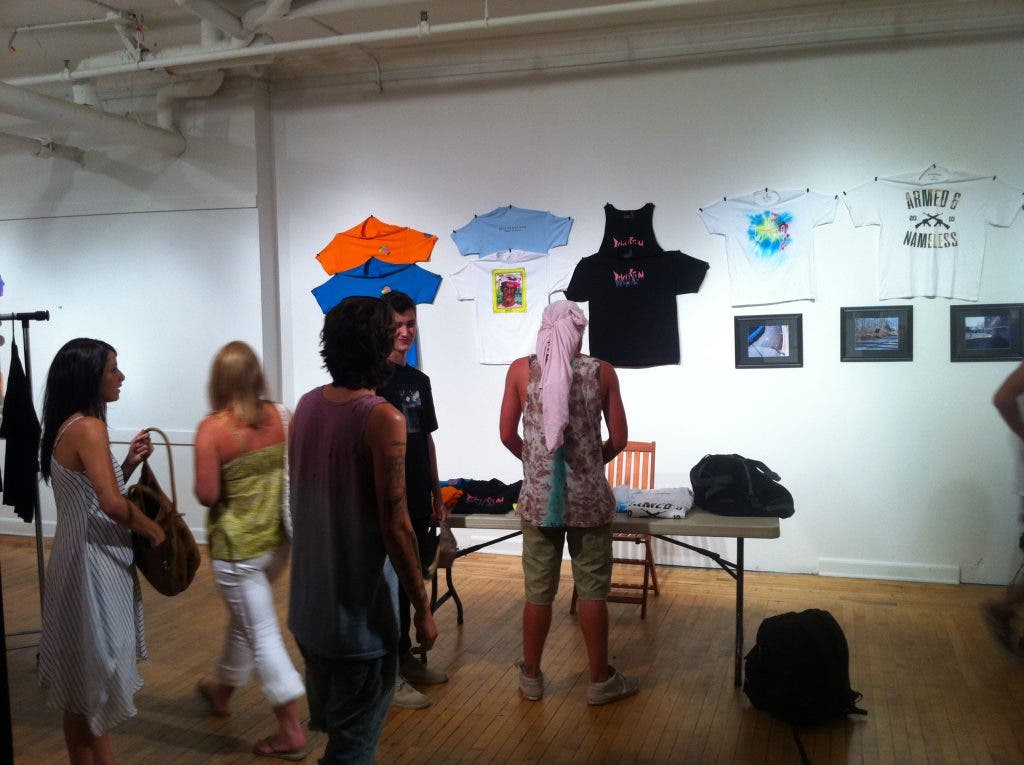
A story in the Christian Science Monitor highlights the success cities have in leveraging the arts as a economic booster to ailing down-towns. Re-branding cities to appeal to cultural tourists has been a success to Cincinnati, Park City, Denver and locally in New Haven. Festivals, whether in Glastonbury or South Beach create local economy surges of business and contribute to the overall cultural branding of a city.
In Michigan, an arts advocacy group, ArtServe Michigan, conducted research that showed that for each public dollar invested in the arts, a $51 return on investment was achieved. The obvious connection is for every art exhibit, every performance of music or theater the attendees spill out of the event and add to the local economy via dining and shopping. But it is not just events that drive that local spending boost.
Permanent public arts exhibits help define who we are as a community, building a conversation about beauty and sense of place. In cities all over the world, since the time of founding, people have strived to make the utilitarian more aesthetic. A public fountain incorporating sculpture becomes a landmark place where people congregate than simply a watering spot. A statue commemorating a historical event honors history as well as engages the public in discovery of what values a community believes in.
Governor Malloy launched a great idea this past winter in promoting the city as a canvas, inviting arts organizations to partner with cities to create public art and jump start the creative energy that has proven to spark economic revitalization in other cities. The winning cities were able to demonstrate a commitment to engaging the arts community in partnership, the projects approved look to be exciting and benefit from the State’s ability to promote cultural tourism.
Other ways to reach this goal, like in Detroit can be more mundane. In 2008 the city of Detroit offered dilapidated Victorian houses to artists for as little as a $1. Over 100 artists took the City’s offer and have since created a vibrant arts community where there once was blight. And in Cleveland, where 1 in 10 houses sat vacant, a similar story. In St. Louis, it wasn’t vacant homes but vacant storefronts that had been empty for just over a year. Something that both Norwalk and New Haven have addressed with New Haven’s Project: Store Fronts and Norwalk’s mARTket.
The ability to harness creative energy and create economic boosts to stagnant downtowns can be created anywhere. There’s more than one recipe for jump-starting the creative economy in your town, the first step is in assessing what goal needs to be achieved. A goal of attracting people to a street during the daytime will differ from one that aims at attracting people to a street primarily at night. Ongoing engagement builds an audience base over one-off events. The key to all strategies, starts with communication, participation and community engagement.
Smart programs recognize the long term goals of revitalization. A flourishing arts community keeps a downtown active, and allows for a city to build on strategic investments to foster that community. With budgets hit with declining revenues, it is time to think about growth strategies that return that investment into increased revenues, whether they are property values, business tax revenues, and long-term the demand for choosing one city over an another as corporations look for cities that keep employees energized.