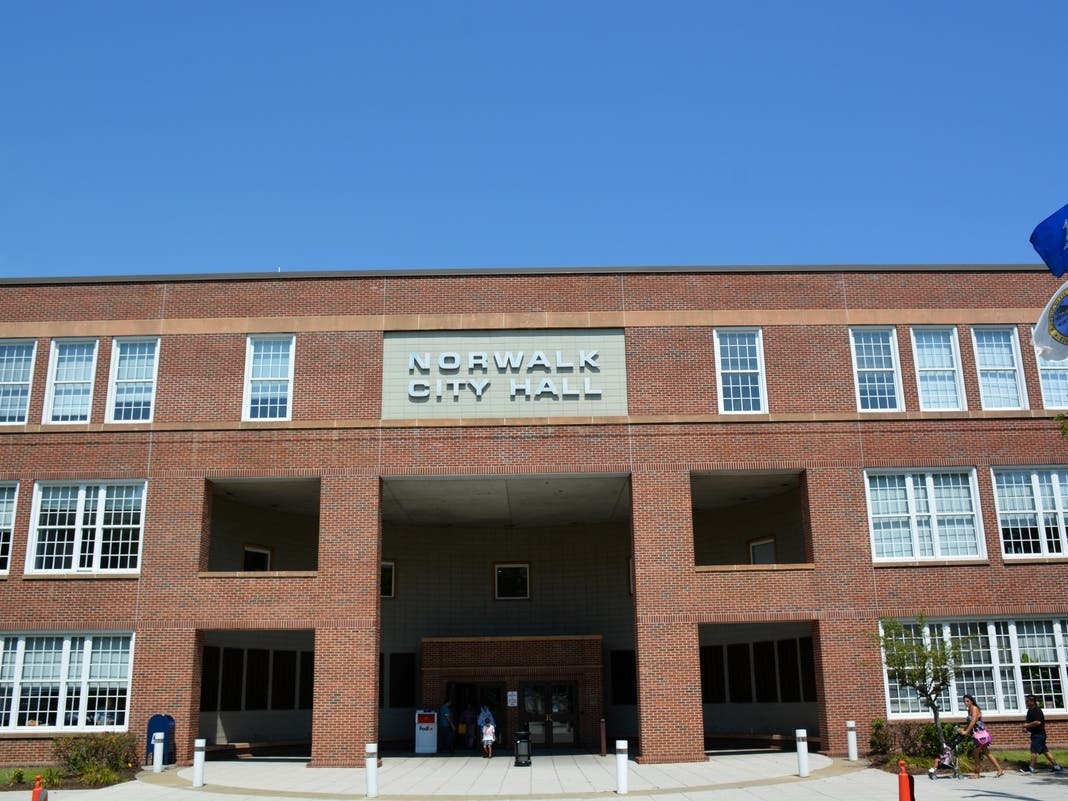
Community Corner
This Is How CT Residents Are Dealing With Extreme Cold Weather
Patch caught up with some CT residents as they prepared for this week's cold weather, plus some tips from AAA, the Red Cross and others.


As Connecticut enters a cold spell over the next couple days, with temperatures in some areas of the state dropping to single digits Thursday, many residents are doing their best to stay warm and keep safe.
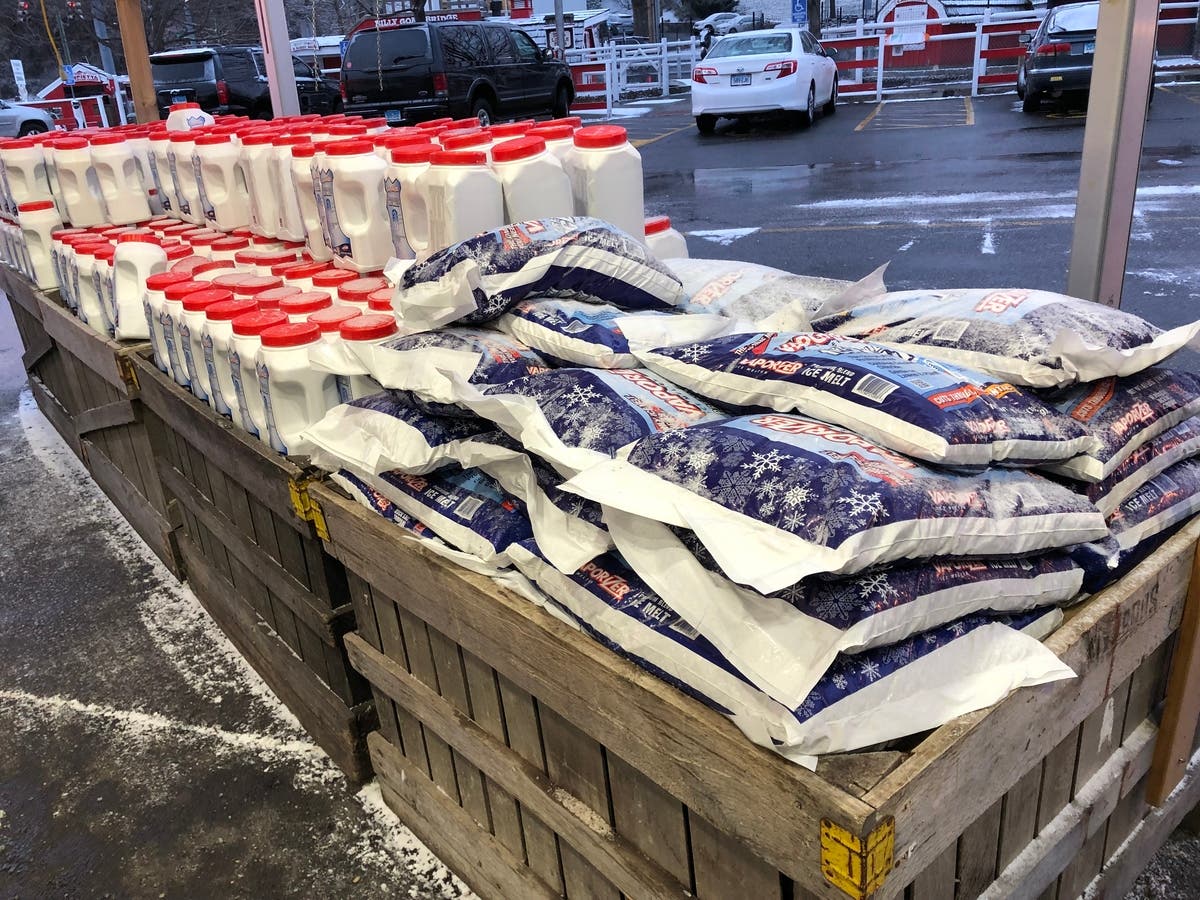
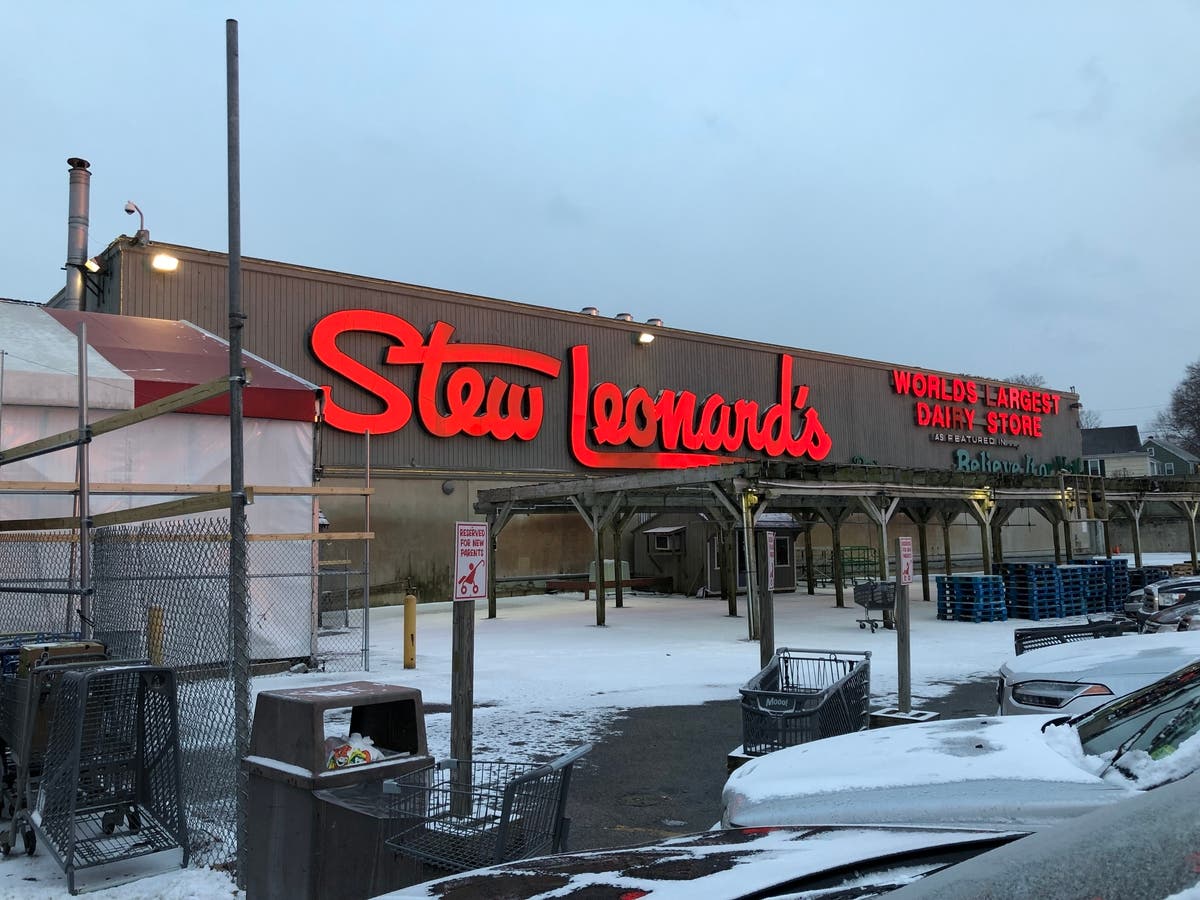
At least, that's what drove Stamford resident Brian Borg to make sure he got to Stew Leonard's Norwalk store Wednesday night, despite the light dusting of snow that had just started. While doing doing his routine grocery shopping, Borg made sure to pick up a couple bags of premium blend ice melt.
He also made sure to grab some extra food items that could come in handy if he didn't want to leave the house when the frigid temperatures set in. (To sign up for free, local breaking news alerts from more than 100 Connecticut communities, click here.)
Find out what's happening in Norwalkfor free with the latest updates from Patch.
"We tend to stock up a little more when the cold weather comes in," Borg said as he carefully surveyed the items in his cart, ensuring he hadn't missed anything essential. "You tend to reach for the canned stuff and stuff you could have in case of an emergency. I think that’s a general buying habit in the wintertime."
When asked if there was one thing he does without fail when temperatures fall as sharply as Thursday, he said he simply "gets the fireplace ready."
Find out what's happening in Norwalkfor free with the latest updates from Patch.
Borg was not the only one stocking up on supplies that night, as many shoppers filled their carts with a number of canned items, pre-made dinners and, of course, bread and milk.
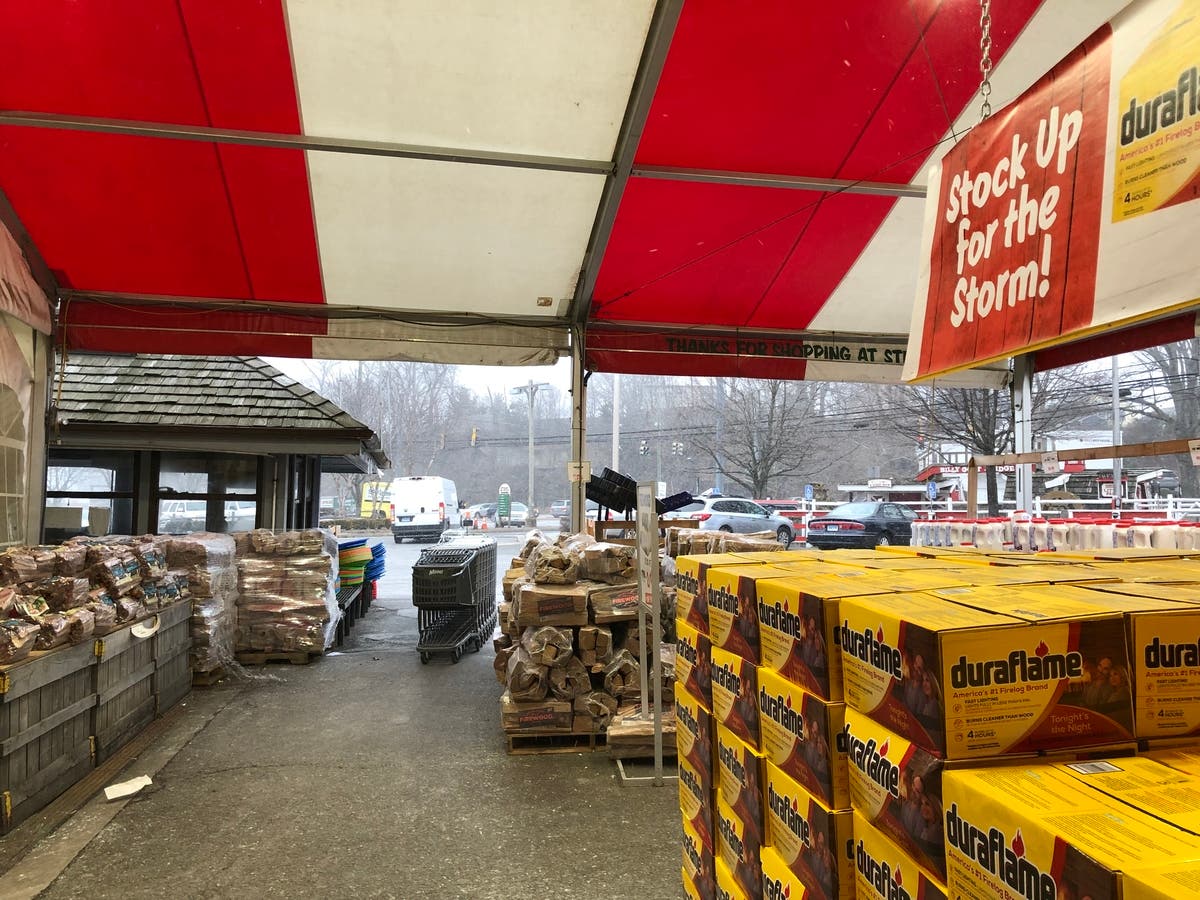
Outside the store, cases of Duraflame logs, stacks of firewood and bags of ice melt were pushed to the forefront, with one sign encouraging customers to "stock up for the storm!"
According to Store Manager Chris Nemer, who has worked at the store for 13 years, this was usually how the store handled things in the face of any intense or unusual weather.
"The majority of the stuff we push is rock salt and shovels, things customers might need on a whim, something they haven’t thought of," Nemer said. "Of course bread and milk is something that everybody seems to run for. Luckily we’re the 'World’s Largest Dairy Store,' so milk is never really an issue for us. We also definitely see an uptick in our prepared foods. People like to cook less and just grab something to go."
At Stop and Shop in Darien, customers could also be seen filling their carts with necessary items. One cashier could even be heard fretting about her trip to New York the next morning, wondering if she should leave that night instead or simply stay home.
Vehicles
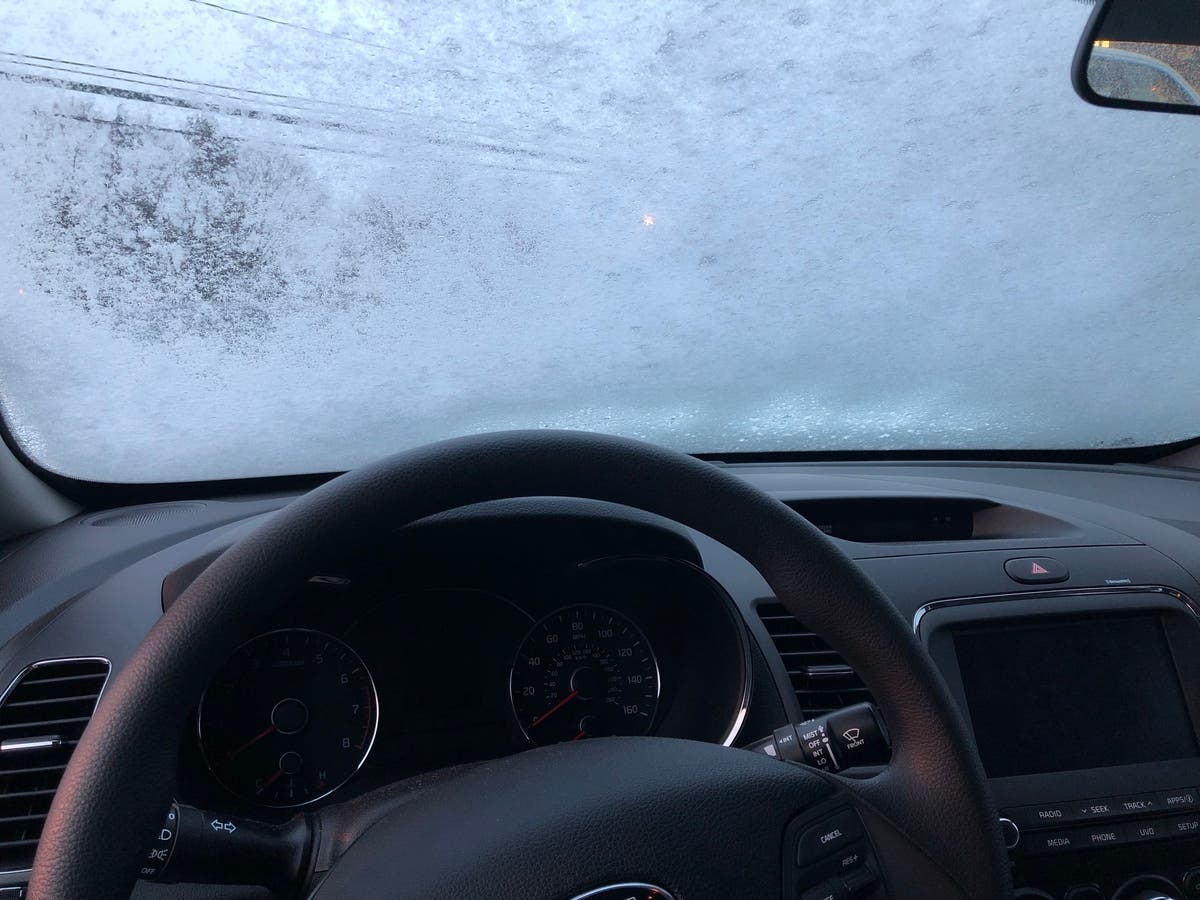
For Norwalk resident Sara Roman, her main concern was getting her 2003 Toyota Corolla to start in the morning so she could get to school at Norwalk Community College and to work later. While working at her job at Petco, she related a story about how her beloved vehicle had recently given out at the bottom of a hill while she was on her way to work.
"That car is my child," Roman said,"but we’ve had it for like 13 years. It’s dying.”
In that scenario, the maintenance man at her condominium was able to drive over and jump the vehicle. She was worried the cold might make things worse for her "baby" the next day.
"Whenever it gets cold, everything freezes in," Roman said, "so you can’t open the doors very well, can’t pop that gas cap at all and when you start tuning the wheel, you hear the steering column hitting something."
In fact, she had just encountered all those issues that morning.
"My car has problems in the cold in general," Roman said. "It revs really really high when it gets really cold, and I have to just sit there for a very long period of time. I have to be super cautious. I'm going to wake up at like 7 a.m. [Thursday] and just sit in my car and waste gas, because that is the safest way for me to do it."
Roman may not be alone. According to a press release from AAA, Southern New England’s forecasted frigid temperatures this week are expected to test even the hardiest of car batteries.
"We saw a significant spike in calls from members with battery problems during last week’s cold snap," AAA Northeast spokeswoman Fran Mayko said in a release. "Even a new battery can lose up to 50 percent of its capacity when temperatures drop to zero. And at 32 degrees, it can take up to 30 percent more power to start a cold engine."
AAA recommends residents check their tire pressure, make sure their windshield washer reservoir is filled and having their vehicle's oil changed if overdue. A car emergency kit should include items such as a cell phone car charger, blanket, jumper cables and a flashlight with extra batteries.
"Be aware if your engine turns over with a jumpstart," Mayko said, "you’ve only fixed the symptom not the problem."
Pipes
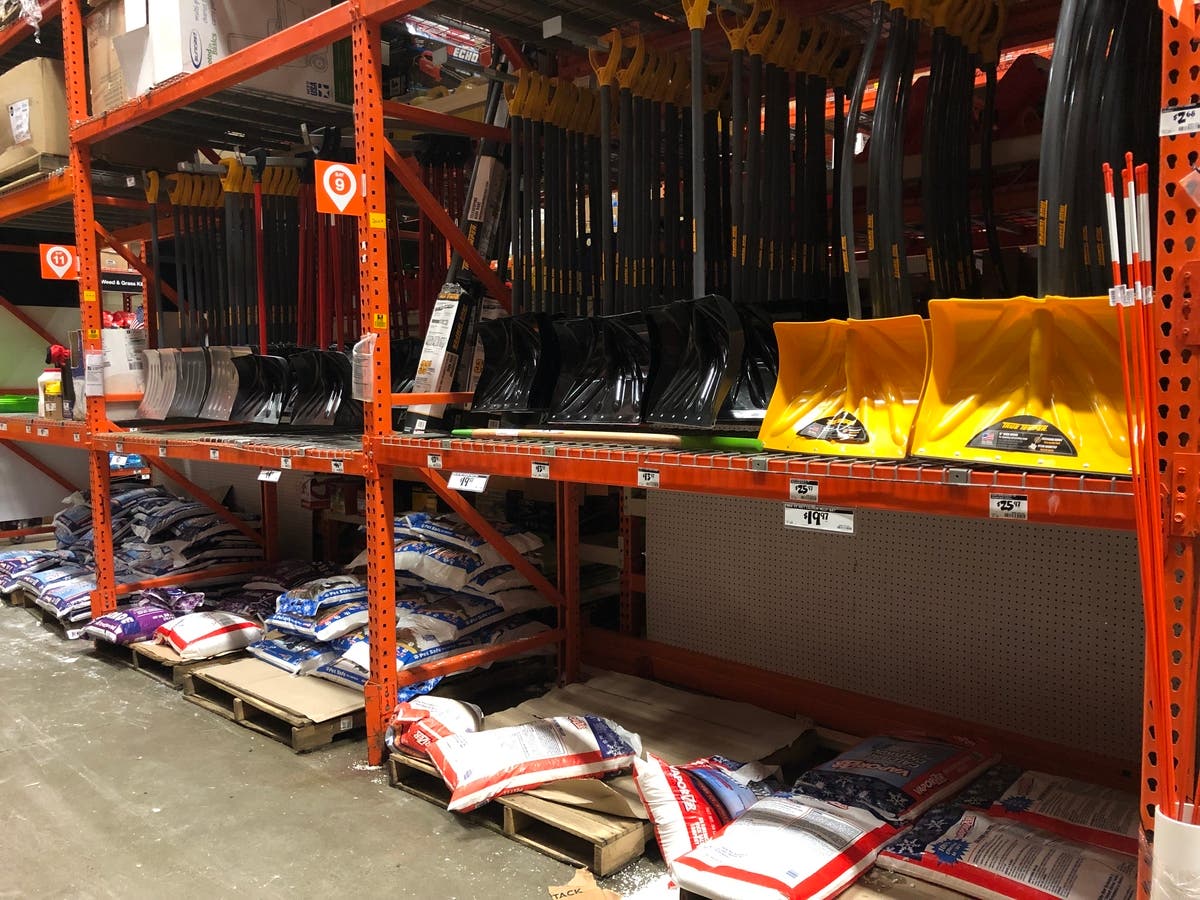
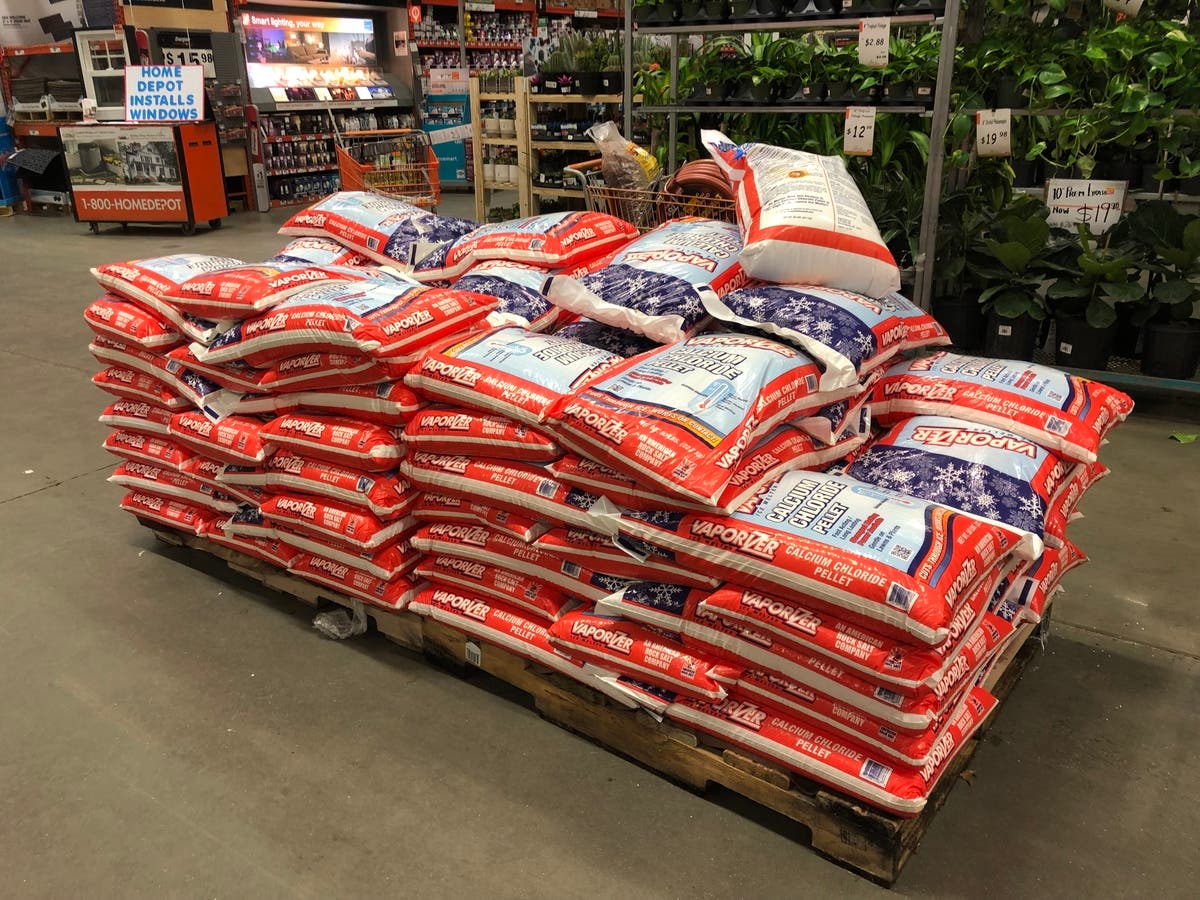
While filling up his cart with three large bags of Vaporizer Ice Melter at Home Depot in Norwalk, a New Canaan resident who did not wish to be named said he was not daunted by the week's forecast.
"I’m usually ready ahead of time," he said, placing the third heavy bag in his cart. "I usually have a couple things of salt. I have a snow thrower and shovels, so I usually don’t need to go far out of my way."
Despite his proclivity to preparedness, he admitted one thing on his mind during extreme cold or snow was pipes, mostly because he had one freeze and leak at his old home a few years ago.
"It had one water line that supplied an accessory that they routed out behind a wall, that in effect was an outside wall, and a copper elbow broke," he said. "It actually sounded like a gunshot. We didn’t realize what it was until later."
The resident, who sounded right at home in a hardware store as he described the inner workings of the pipes, said a copper elbow broke as a result of it freezing.
"You could see it was a traumatic rupture," he said. "I tried to squeeze it back with plyers, but this thing was strong. The pressure must have built up and finally hit the engineering stress point and just went ‘pow!’ It was minus 8 degrees that day. When your pipes freeze, the issue is you don’t know it warms up, so it didn’t show the leak until three days later. That was unpleasant. My wife called me and well, she was unhappy. It flooded the closet, the floor below the closet; it was not something you want to repeat."
According to the American Red Cross website, pipes that freeze most frequently are:
- Pipes that are exposed to severe cold, like outdoor hose bibs, swimming pool supply lines and water sprinkler lines.
- Water supply pipes in unheated interior areas like basements and crawl spaces, attics, garages or kitchen cabinets.
- Pipes that run against exterior walls that have little or no insulation.
The Red Cross offers a number of suggestions for protecting pipes from freezing, such as draining water from swimming pool and water sprinkler supply lines and removing, draining and storing hoses used outdoors. Adding insulation to attics, basements and crawl spaces is also recommended.
Opening kitchen and bathroom cabinet doors to allow warmer air to circulate around the plumbing and letting cold water drip from a faucet served by exposed pipes can also help prevent a pipe from freezing.
If a pipe does freeze, keeping the faucet open is recommended, as water will begin to flow through the frozen area once it begins to melt.
For more tips on preventing and thawing frozen pipes, click here.
Pets
As he walked his dog past an enormous wall of light bulbs at Home Depot, Weston resident Mike, who declined to provide his last name, said the cold weather usually interferes with his pet's time outside.
"We generally don’t take him out," he said. "We’ll take him out in the backyard, but not on an actual walk or anything when it’s really cold. He’ll just shut down and stop, and his feet will hurt. He’s 14, so he’s not that young."
When asked if there is anything he makes sure to do for his pet during intense weather, he said "making sure he drinks a lot of water" is always a good idea.
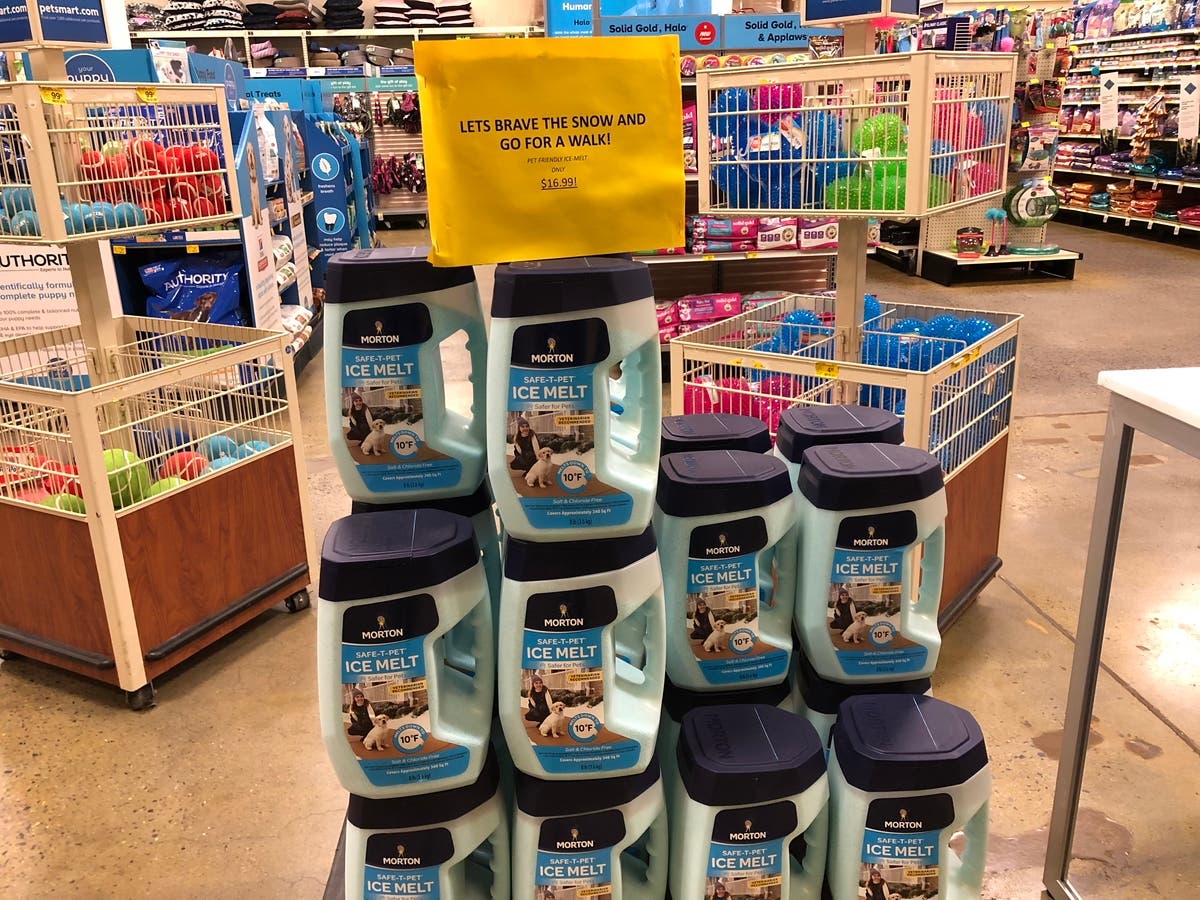
Down the street at PetSmart, items such as coats and boot for dogs and special ice melts were prominently displayed at the store's entrance.
"We have paw wax stuff that you could put on the bottom of your dog’s paws, because the ice can crack the dog’s feet and stuff like that," employee Nikki Pettway said. "When you throw salt down, that’s not good for a dog’s paws. It burns their paws. So we sell ice melts that are safe for pets, that way you can out that down in your driveway, backyard or wherever."
Pettway herself has two Yorkie-Poos at home, and said she makes sure not to leave them outside too long when the weather gets frigid.
"When it’s cold, my dogs look at me first, they use the bathroom and then hurry up and come back inside," Pettway said. "They don’t want to be out there. We don’t do the long walks or anything like that."
She also said both animals will be wearing coats.
"It’s going to be really cold [Thursday], so your dog’s going to need a coat," Pettway said. "Unless they’re a Malamute, they’re going to need a coat."
According to a press release from the Shoreline Animal Hospital in Clinton, veterinarians remind residents if it’s too cold for a person outside, it is probably too cold for a pet.
"If left outdoors or in an unheated garage or kennel, pets can easily become hypothermic, causing lethargy, disorientation and possibly death. In addition, don’t leave pets alone in a car during cold weather, as cars can act as refrigerators that hold in the cold and cause hypothermia," the release reads.
As Pettway said, exposure to the elements of winter can cause chapped paws and itchy, flaking skin, and winter walks can become dangerous if chemicals from ice-melting agents are licked off bare paws.
Shoreline recommends bringing a towel on long walks to clean off irritated paws, as well as washing and drying a pet’s feet and stomach to remove ice, salt and chemicals. Using paw booties and pet-friendly ice melts whenever possible are also suggested.
As pets burn extra energy trying to stay warm in wintertime, Shoreline recommends feeding pets a little more during the cold weather months making sure they have plenty of water to drink.
Photo credit: RJ Scofield
Get more local news delivered straight to your inbox. Sign up for free Patch newsletters and alerts.