Neighbor News
What No One Tells You About Brain Injury, Addiction, and the 12 Steps
One survivor's truth about living with brain injury, addiction, and a system that wasn't built for us—no sugarcoating, just real talk.

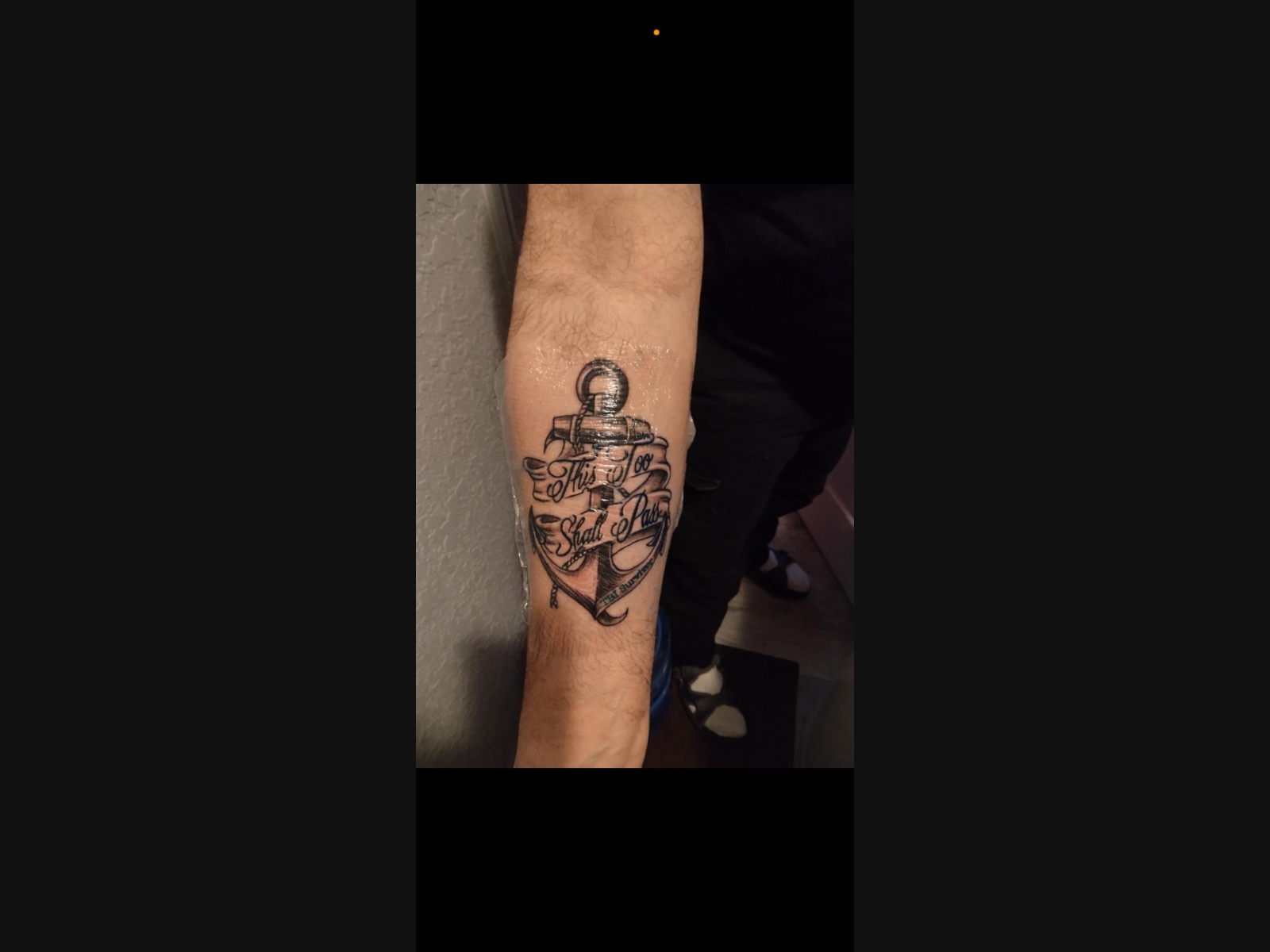
One survivor’s journey through recovery’s hardest truths
by Craig Sears
I’m not here to inspire anyone. I’m writing for the people nobody talks about—the ones with brain injuries, addiction, or both, and for anyone who loves them. Too many of us get written off, talked over, or left out. If this sounds like you or someone you know, keep reading. You’re not alone. I wish someone had the balls to say this to me.
Find out what's happening in Norwalkfor free with the latest updates from Patch.
Introduction
Let’s just say it: the system isn’t built for us. You get brain injury, you get addiction, and suddenly you’re a problem nobody wants to deal with. I’m not saying my story is special—it’s just real, and I survived it. If you’re looking for help, you might find something from the Brain Injury Association, BrainLine, or some Facebook group. Sometimes knowing you’re not the only one is all you get.
Find out what's happening in Norwalkfor free with the latest updates from Patch.
This isn’t some comeback movie. Surviving brain injury and addiction is ugly, it’s tough, and it’s nothing like those “miracle recovery” stories you see online. But I’m still here. That counts for something.
Losing Everything—And Everyone
Before I understood the full impact of my brain injury, I was already struggling to survive the losses it brought: my job, my independence, my friends, my girlfriend. None of them stood by me, and the loneliness felt crushing. I lost my sense of self and had to find small ways to keep going—sometimes writing a single sentence in a journal, getting outside for a walk, or just making my own meals to ground myself. When I asked for help, the system failed me, leaving me homeless or institutionalized.
Here’s the truth: I didn’t just lose things—I lost myself. I was pissed off, scared, and half the time I wanted to disappear. The world felt like it was moving on without me while I was stuck in slow motion, just trying to figure out how to get through the day. I didn’t care about tomorrow. I just wanted the pain to stop, even if it meant checking out for a while.
It wasn’t until after my injury that I turned to substances, trying to numb the pain and escape what I was facing. There were nights I lay awake thinking, “Why me?” Sometimes, I hated everyone—especially myself. There were days I wished for numbness, even if it meant disappearing.
Eventually, I found the 12-step community—not just for recovery from substance use, but for a sense of hope and belonging. The principles I learned there—honesty, acceptance, one day at a time—became the backbone of how I faced everything that came next.
The Truth About 12 Steps and a Broken Brain
They tell you 12-step is for everyone, but nobody talks about what it’s like to walk in there with a busted brain. The meetings, the Big Book, the slogans—none of it’s for people whose heads are scrambled from trauma. When I showed up, I wasn’t just fighting addiction—I was fighting my own brain, every single day.
Nobody tells you how hard it is to work the steps when your memory’s shot, when you can’t find your words, when you’re so tired you wish you could disappear. Nobody gets how it feels to be the only one in the room who’s been through both—a bottle and a brain injury. Sometimes I wanted to run. Sometimes I wanted to scream. Sometimes I couldn’t even follow what was being read, but I kept coming back anyway.
Here’s what I figured out:
The steps don’t care if you’re perfect. They don’t care if you forget, or mess up, or have to start fresh a hundred times. All that matters is you keep showing up, even when it hurts.
People talk about serenity. For me, recovery was a street fight. Dragging myself out of bed when my body said no, sitting through meetings when my head was spinning, asking for help even though I never trusted anyone.
The program didn’t save me—I did. I kept trying, kept failing, kept dragging myself back. I built hope out of scraps. I found connection not because we were the same, but because we were all fighting for another day.
I relapsed more times than I can count. I let people down. Stormed out of meetings, cussed out people who tried to help, pushed away family and friends who couldn’t handle my pain.
If you’re reading this and you’ve got a brain injury and addiction and you feel like nobody gets it, listen:
You’re not too broken. You’re not alone. You’re not invisible.
Your pain is real, but so is your fight.
Show up messy. Show up angry. Show up lost. Just show up.
The steps work if you work them—even if you’re crawling, even if you have to start over a hundred times.
Forget perfect. Just do it.
This is for every survivor who’s ever felt erased. For every person who’s sat in a 12-step room and wondered if anyone else gets it. I do. I see you. And there’s room for you here.
We’re still here. We’re not done fighting.
Hitting Rock Bottom
You think recovery is hard? Try surviving a system that sees you as a problem, not a person. I lost everything overnight—home, job, support. Ended up homeless, in hospitals, even jail. The system wasn’t built for us, and it failed me over and over.
What kept me alive were the people who refused to let go—especially my mom.
But before things got better, I had to hit bottom. There came a day when I said, “Enough is enough.” The system wasn’t going to break me, no matter how bad things got. Sometimes you don’t know how tough you are until you’ve got nothing left.
I’ve never known loneliness like being left with a broken brain and a bottle.
Nobody handed me tools—I made my own. In a meeting, mind spinning, lost, I scribbled whatever I could—feelings, numbers, reminders—just to anchor myself. When I got lost, I whispered to the guy next to me, and he showed me the page. That quiet kindness kept me there.
My survival kit:
- Messy notes, any way I could.
- Asking for help, even if I felt stupid.
- Grabbing onto one phrase if the whole meeting was too much.
- Stepping out, breathing, coming back.
- Finding one person I could trust.
- Setting alarms, sticky notes, marks on my hand.
- Celebrating small wins.
- Telling the truth, even if nobody wanted to hear it.
Look, every brain injury and survivor is different. My way isn’t the only way. Here’s my truth: in institutions, I refused to see psychiatrists. I’ve seen too many people drugged into zombies. If you need meds or therapy, that’s your business. You do whatever keeps you going.
You play the system to stay alive. In psych wards or jail, you do what you have to—even if it means sleeping on a cold floor just to be safe.
If you’re fighting both the bottle and a busted brain, you’re not alone. You don’t have to do it anyone else’s way—just keep coming back. That’s real recovery. That’s guts.
The scars don’t disappear. Some days I’m still clawing my way out of a hole nobody else can see.
Telling the truth can make you lonelier. Some people bail, some tell you to “get over it.” That stuff leaves a mark. But scars mean you survived. If you’re stuck, keep going. You’re still here. So am I. Your story might save someone else.
What I Wish I Knew
Nobody told me how hard this would be, or how broken the system is. I learned by getting knocked down, over and over. If you’re new to this, here’s what I know:
“Easy does it but do it.” There’s no perfect way. Take the next right step, even if it’s tiny. Call a friend. Write a sentence. Get out of bed. Set reminders—alarms, sticky notes, whatever helps your busted memory.
Other lifelines: music, stretching, outside air, tea, a deep breath, water. If you’re overwhelmed, it’s okay. You don’t have to be perfect. Just keep moving. Sometimes hope is just making it to the next day.
Recovery is possible—even when it feels hopeless.
If You’re a Survivor
If you’re living with brain injury and addiction, you know what it’s like to be invisible—even in places meant for healing. I’m writing to you—the one who sits in a 12-step meeting and wonders if anyone else has fought both these battles.
You’re not alone. Our struggles are real, even when nobody else sees them. No two stories are the same, but showing up—angry, messy, lost—is enough. You belong here, even if you start over a hundred times.
Take what helps, leave the rest. If you’re struggling, just being here proves you’re stronger than you think.
Your voice matters. Your story matters. Your scars mean you survived. We’re still here, and we’re not done fighting.
Surviving the System
Recovery isn’t just about quitting or coping—it’s surviving a system that doesn’t get us. Sometimes the places meant to help just make things worse. I got labeled, misdiagnosed, and shuffled through places that had no clue what to do with me.
But there’s hope: other survivors, a few advocates, rare pros who listen, and the stubborn love of someone who refuses to let you go.
If you’re lost, reach out—even to one person or an online group. It can change everything. You don’t have to do this alone.
Don’t know what to say? Try:
“Hi, I’m having a hard time with brain injury and addiction. Sometimes it feels like nobody gets it. If you have a minute, I’d just like someone to listen.”
It doesn’t have to be perfect. Reaching out is enough.
What Needs to Change
- Stop treating brain injury and addiction like separate problems.
- Train staff to see the person, not just the label.
- Give survivors a real seat at the table.
- Real community, not red tape, saves lives.
Survivor Tips
- Find groups—online or in person.
- Keep notes, even messy ones.
- Let yourself feel what you feel.
- Celebrate small wins.
- If you care about someone like me, your support means everything.
Final Thoughts
I fought for my dignity, my health, and my voice. I’m still fighting. You’re not alone. Your story matters—even the parts nobody else wants to hear.
#TBI #AddictionRecovery #BrainInjuryAwareness #12Steps #MentalHealth #Survivors