Arts & Entertainment
4th Annual Chili Cook-Off is On!
...but to really appreciate how big chili has become, you have to understand how humble were its beginnings.


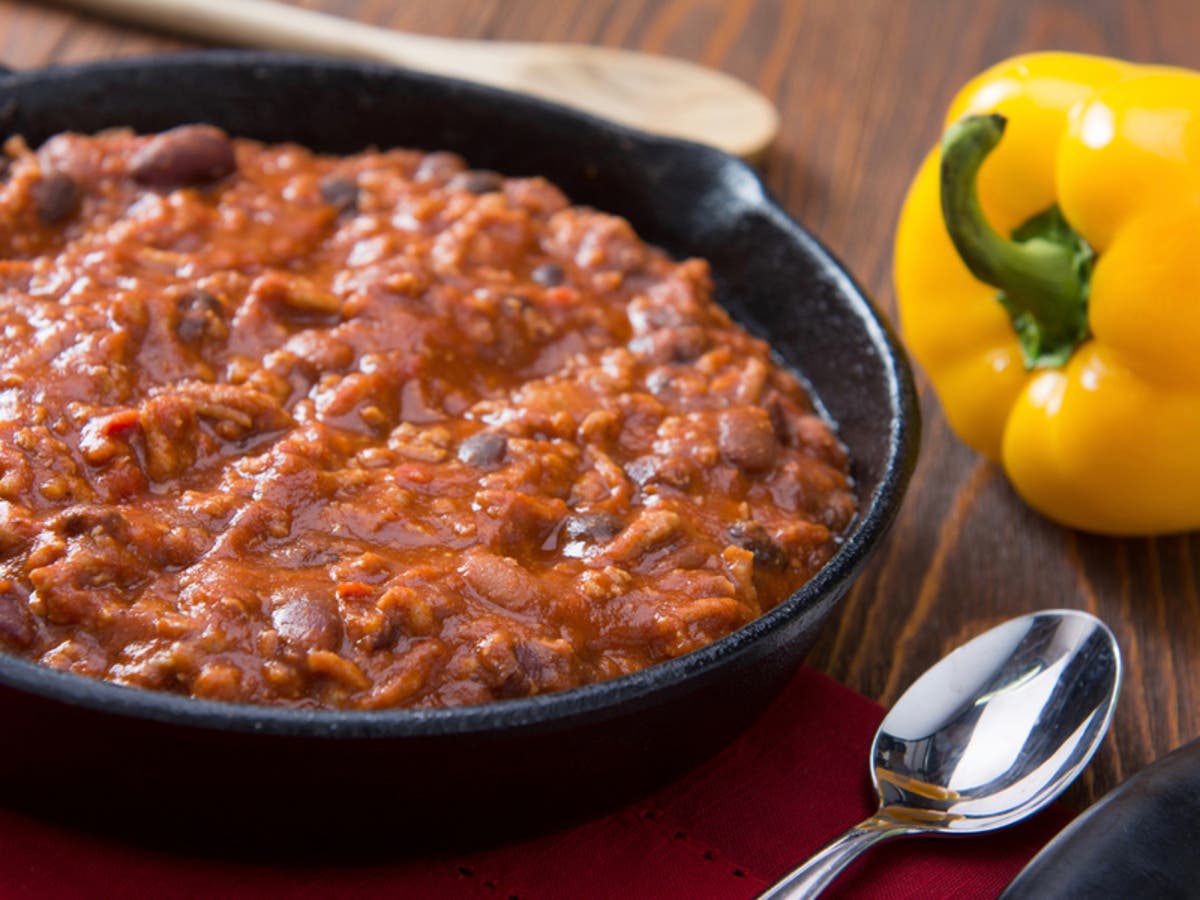
RIDGEFIELD, CT —Robyn Musicant of Ridgefield, along with her partners Martin and Katie Watkins of South Salem, are rolling out the big guns this Saturday, Nov. 3, for the 4th Annual Chili Cook-Off at the nearby South Salem Presbyterian Church. What's more, they have proudly announced that the Alzheimer's Association Hudson Valley NY Chapter will once again be partnered with SSPC in hosting this event. Twenty-five percent of proceeds will go directly to support local individuals and families who are affected by Alzheimer's Disease.
Chili's popularity boom locally has forced Musicant and company to get more ambitious and creative with their judging categories. There are now five distinct realms: Red (beef-based chili), White (Chicken, Turkey or Pork based chili), Game (Venison, Elk, etc.), Professional Chef, and Firehouse Divisions.
To really appreciate how big chili has become, you have to understand how humble were its beginnings. The first ever written description of chili, from one J. C. Clopper living near Houston in the early 19th century, hardly painted a picture of a hale and hearty bake-off in a tony New England suburb: "When they [poor families of San Antonio] have to lay for their meat in the market, a very little is made to suffice for the family; it is generally cut into a kind of hash with nearly as many peppers as there are pieces of meat--this is all stewed together.”
In Texas, of course, chili is almost as big a religion as football, or religion. It should come as no surprise, then, that among the many legends about chili's invention some of the stand-outs are steeped in Texas machismo.
The Prisoner Theory, for example, says that 19th century Texas prison chefs created chili when they cut cheap and tough beef into cubes and mixed in local peppers and spices as a means to create an inexpensive source of good nutrition for the inmates. The new-fangled prison food was so good, the story goes, that criminals once freed would commit more crimes in order to be re-incarcerated for the chow.
The Texas Army Theory speculates that around 1835, when the state was mobilizing forces around San Antonio, the brass hired some Mexican cooks to prepare whatever they could, from whatever was nearby, to feed a lot of hungry men. The resulting goulash of beef and peppers would be served up in trendy restaurants centuries later as chili.
Another school of thought posits that chili came to America along with Canary Island expats who migrated to San Antonio in the early 1700s. Canarian cuisine, inspired by Moroccan and Berber traditions, was similar in texture and composition and slow-simmerin prep to what we know today as chili. But absent the the vast amounts of curry the Canarian chefs favored, the immigrants substituted chile peppers amd other local spices.
I prefer the Blue Nun version of the origin story. No, not the cheap wine, but the mystical "La Dama de Azul," as she was known by the Indians of the 17th century Southwest. Legend has it that Sister Mary of Agreda, of the Conceptionist Order in Spain, would lapse into days long lifeless trances, during which time she — or her spirit, the mystical texts are unclear on the finer points of her astral traveling — would bilocate to the Southwest and preach Christianity to the local tribes. That same legend credits Sister Mary as the one who first wrote down the recipe for chili con carne. Sister Mary said she was carried by angels from Spain to the Southwest, and I'm fine with that, because it opens the door to the possibility that she was given the recipe by angels during one of those long flights. Chili con carne is that good.
Sister Mary, I'm certain, would not allow beans in her chili, and neither should you. "Vegetarian chili," like "jumbo shrimp," "peacekeeper missile" or "Microsoft Works," is an oxymoron, but that's not stopping the current generation of glutenphobic knuckleheads from pretending their undoubtedly heart-healthier bean soup is somehow in the same food group as my heart-stopping crock of carne. "You have to die from something," my now long-dead grandmother would sagely opine. So let "He Preferred The Red" be my epitaph.
Real chili fans will again be invited to sample the chili offerings at SSPC on Saturday and vote for their favorites. Tasters' Choice awards will be presented, 1st-10th place based on popular vote. In keeping with the growing notoriety and increased “heat” among competitors, the judging panel will be comprised of culinary graduates and professionals who will award Gold, Silver and Bronze medals in each category. Additionally, trophies will be awarded for the Overall Champion and Overall Reserve Champion for combined scores in Judges and Tasters’ Choice, for a grand total of 29 awards. Various side dishes and kid-friendly foods and deserts will also be provided.
Tickets for chili tasters can be purchased the day of the event for $20, $5 for children 12 and under.
Image via Shutterstock