Politics & Government
Binn Sanctuary Hearing Draws Angry Crowd
Neighbors are frustrated with animals and delivery trucks and fear conditions in the area will only worsen.

A hearing on a proposal to open a local animal sanctuary to the public drew what Planning and Zoning Commission veteran Nelson Gelfman called the largest turnout he's seen in a long time.
The 40-plus person crowd, mostly neighbors of Moreton and Marisol Binn's home at 599 Branchville Road and an additional parcel under contract at 4 Stony Hill Terrace, spent more than four hours Tuesday night airing fears that allowing public access to the Binns' property will destroy their quiet neighborhood. The crowd also voiced frustrations that the animals living there are a nuisance.
"There's so much to object to, I don't know where to begin," Patricia Gormley, of 43 Stony Hill Road, told commissioners. "This is so out of keeping with the neighborhood."
The Binns have built an animal sanctuary on their 20-acre Branchville Road property and are buying the Stony Hill Terrace parcel, which abuts their current land. They plan to use that back plot and its existing house for storage, office space, an animal infirmary and living space for a sanctuary manager, application agent John McCoy explained.
The couple also plans to use the land's access-way off of Stony Hill Terrace for most deliveries, trash pickup and for an occasional large visitor group, if the Planning and Zoning Commission approves the Binns' application to use the land for "philanthropic and educational" purposes.
Many members of the public expressed anger about trucks endangering playing children, constant machine noise and disruptive animals.
"In the last year, the quality of my life has decreased significantly," Fred Schade, of 563 Branchville Road, told commissioners. "It smells like a zoo." Neighbors also alleged bizarre and disruptive behavior beyond filling the property with animals, including blowing all leaf ground cover from the Branchville Road parcel's 20 acres and killing all the animals native to the property.
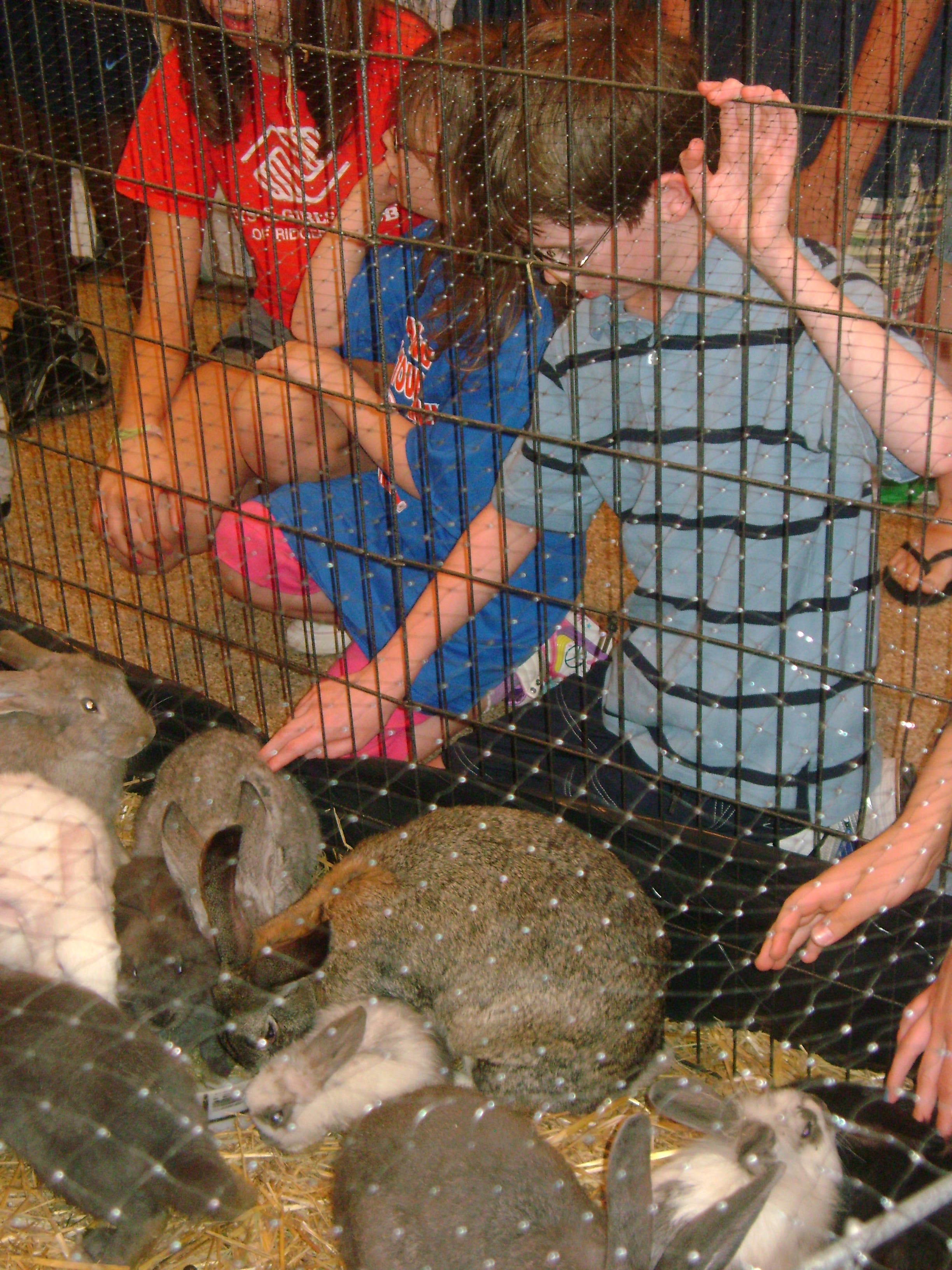
The commission has no control over the property's use as a sanctuary or over any delivery trucks that come and go on town roads, even residential roads full of children. But the commission does get to decide whether to permit busloads of up to 30 visitors onto the property through that back entrance to visit the sanctuary, which currently houses about 200 animals including llamas, dogs, ponies and peacocks.
"It may be something that occurs two or three times a year, if that," McCoy said. "The intention is basically that on a rare occasion, to have by invitation only ... groups or single persons visit the site."
The proposed infrequency did not satisfy neighbors, who said that, with the Binns not wanting trucks and buses entering their front entrance, the couple was effectively rerouting the traffic through neighboring front yards. This showed "not much regard" for other residents, said Evan Beller, of 10 Stony Hill Terr., who organized a petition against the property.
Shortly before midnight, the hearing on allowing large visitor groups at the Binn Animal Sanctuary was continued to Sept. 21.
The other hearings concerning the property that were also under discussion—on pond dredging, upland review activities and installation of utilities on the land—were closed. The commission also scheduled another meeting for next week, July 27, to further address the applications.